


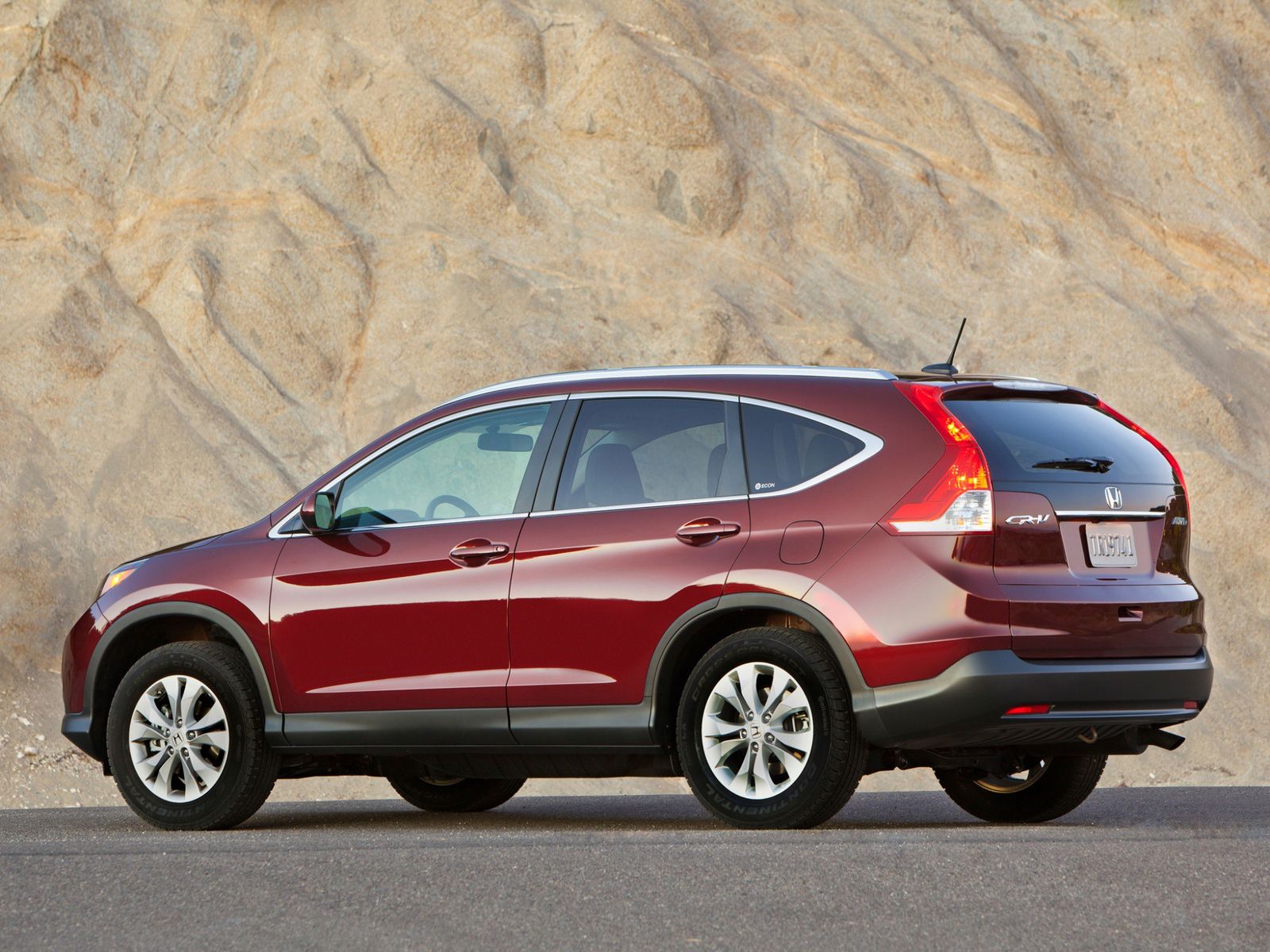
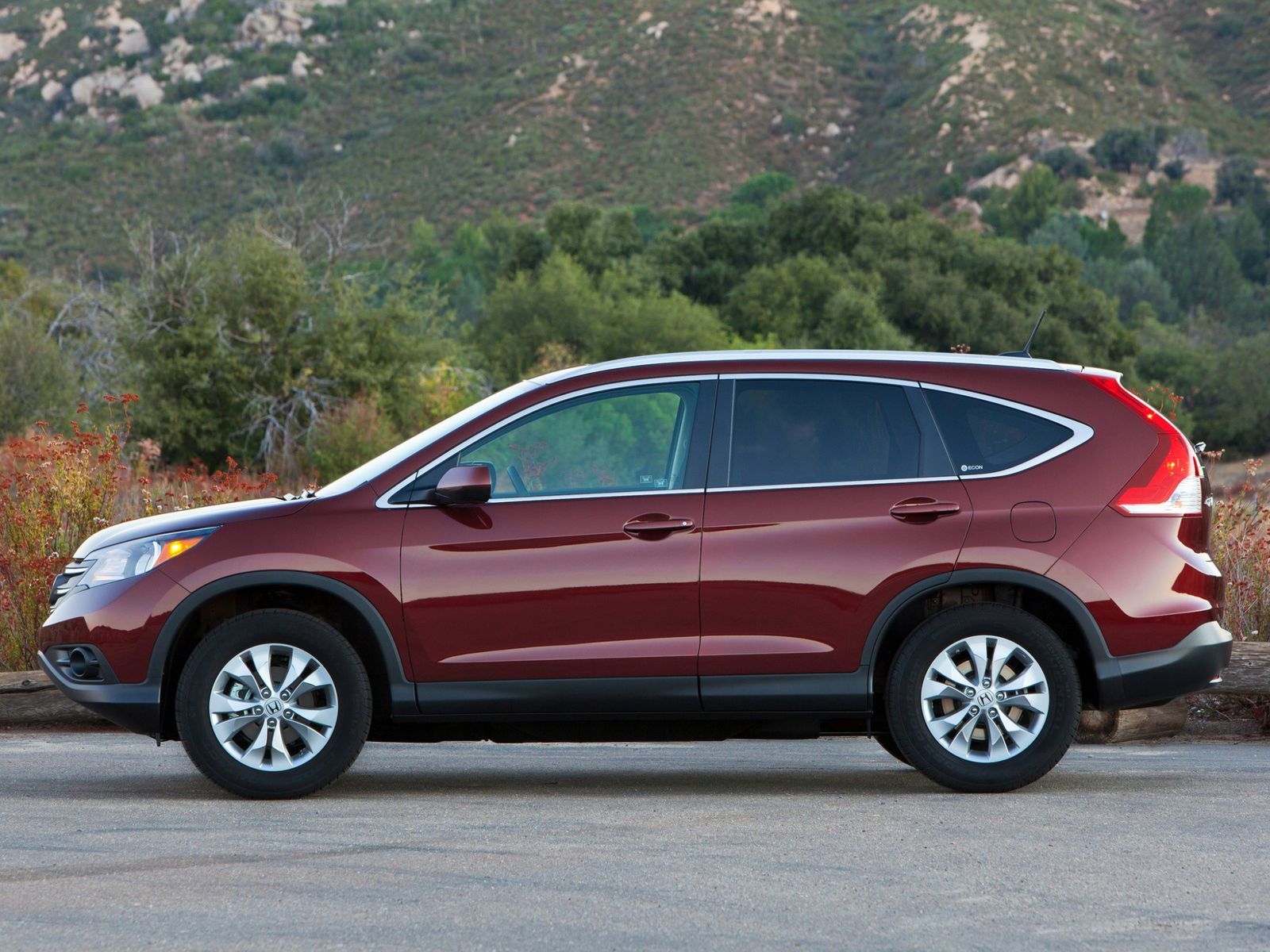
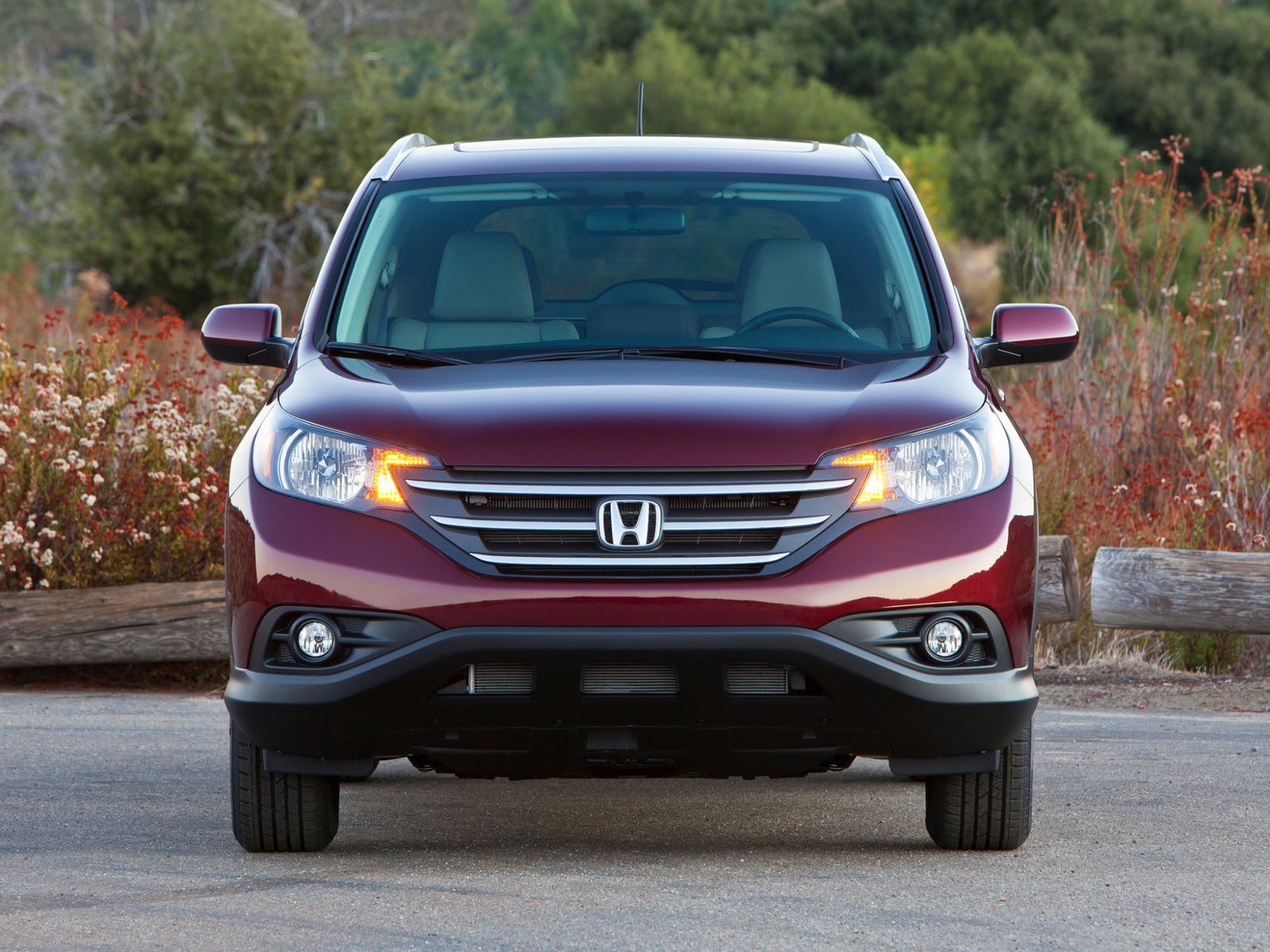
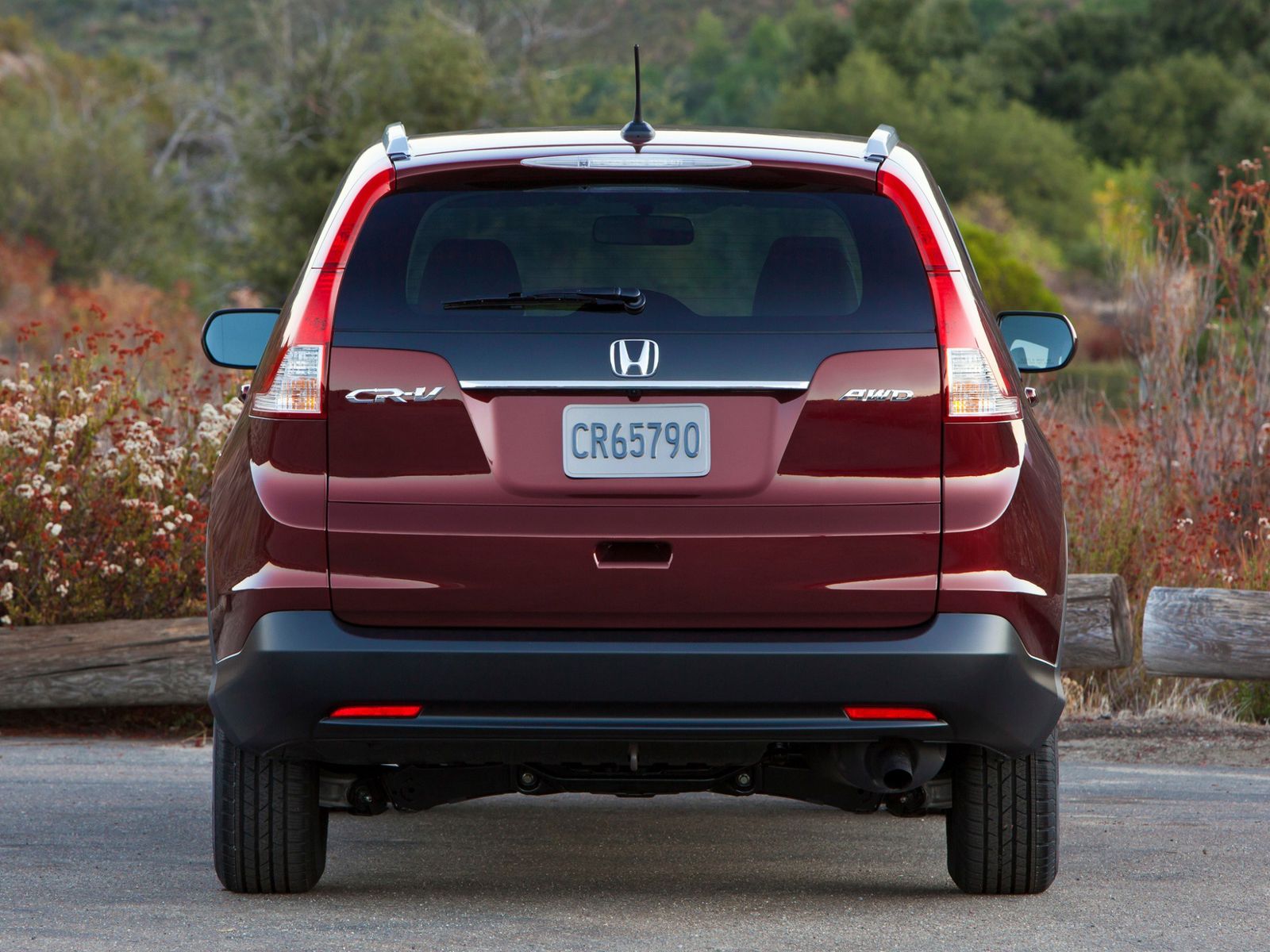

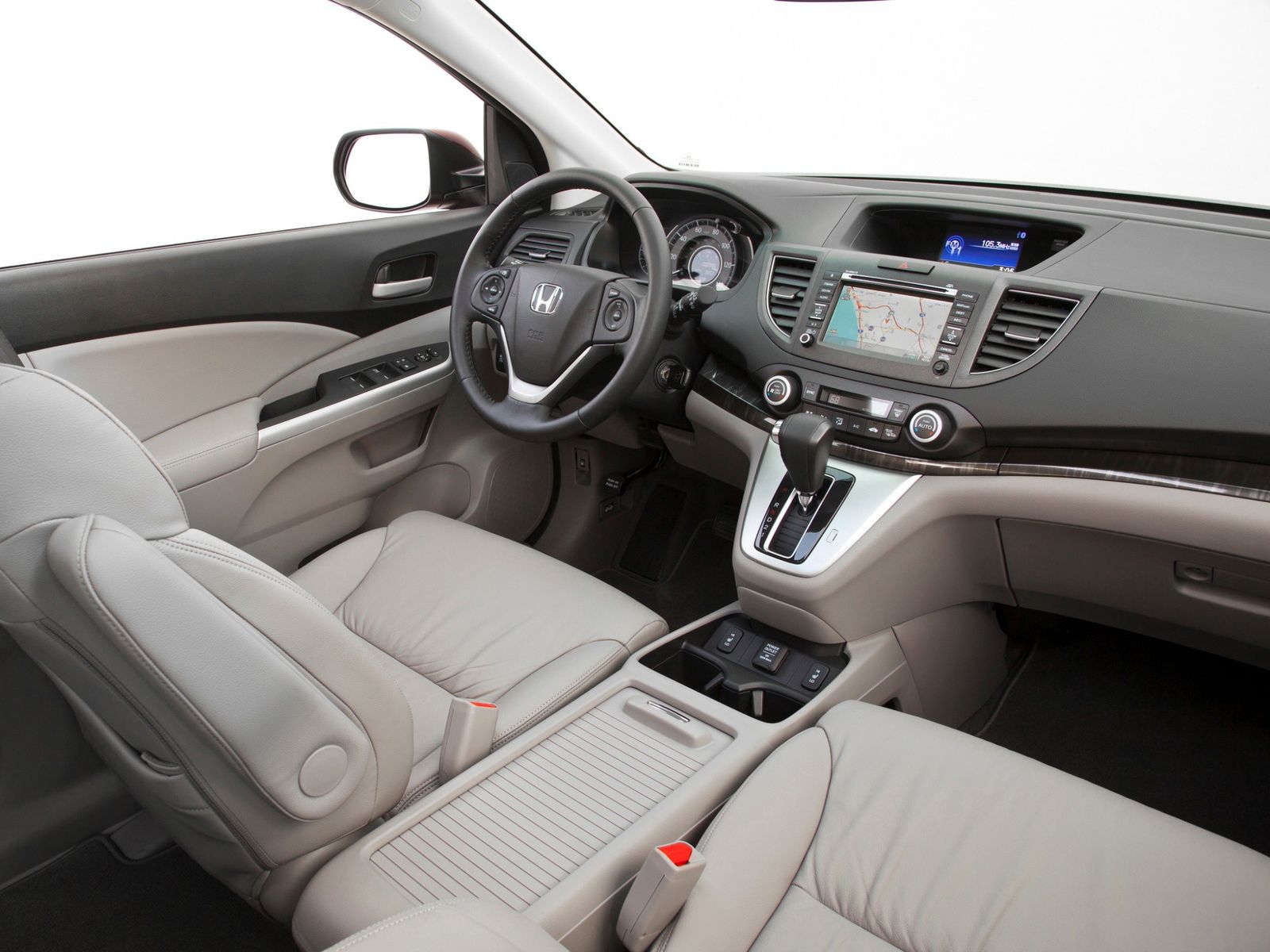
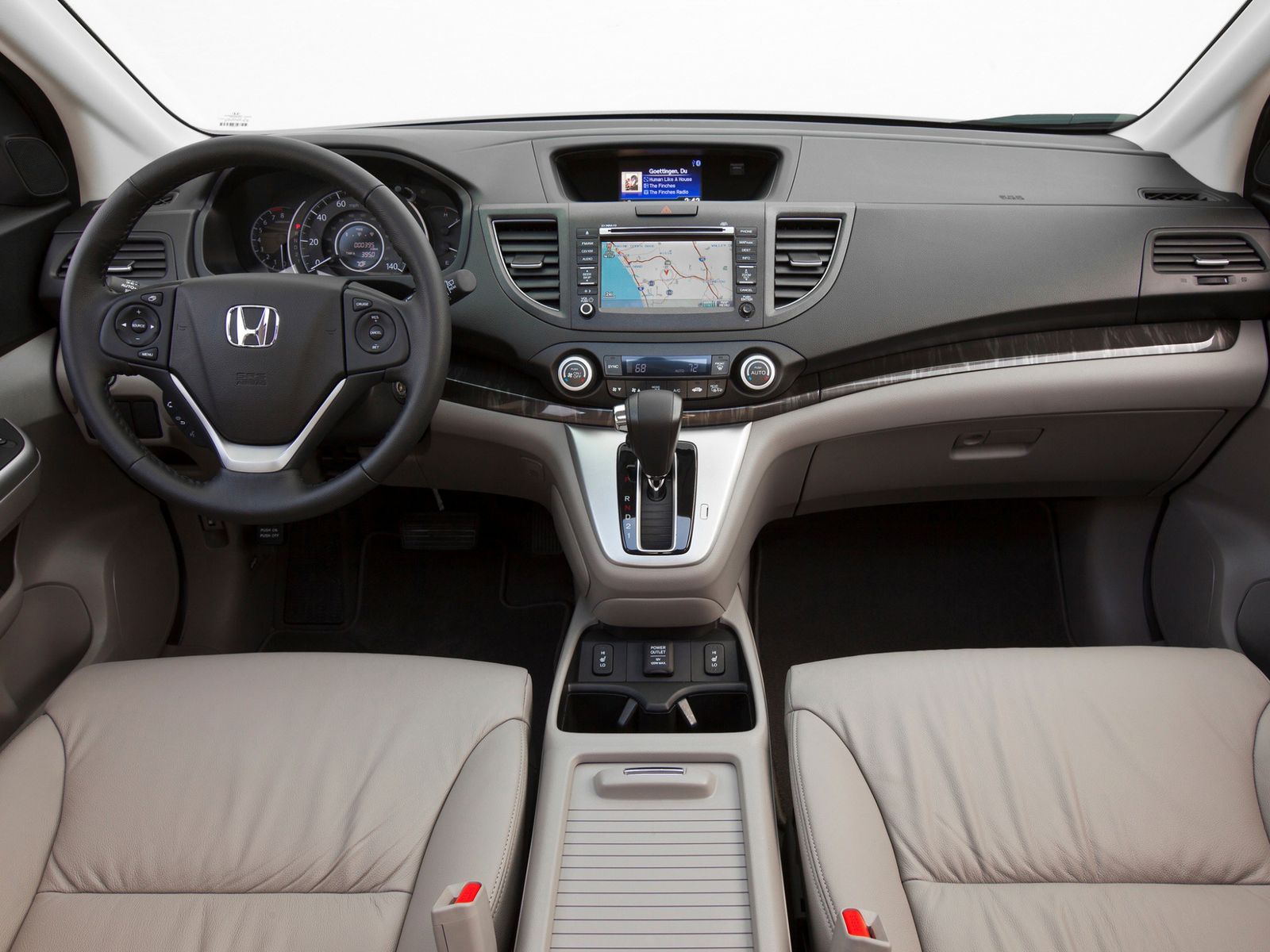
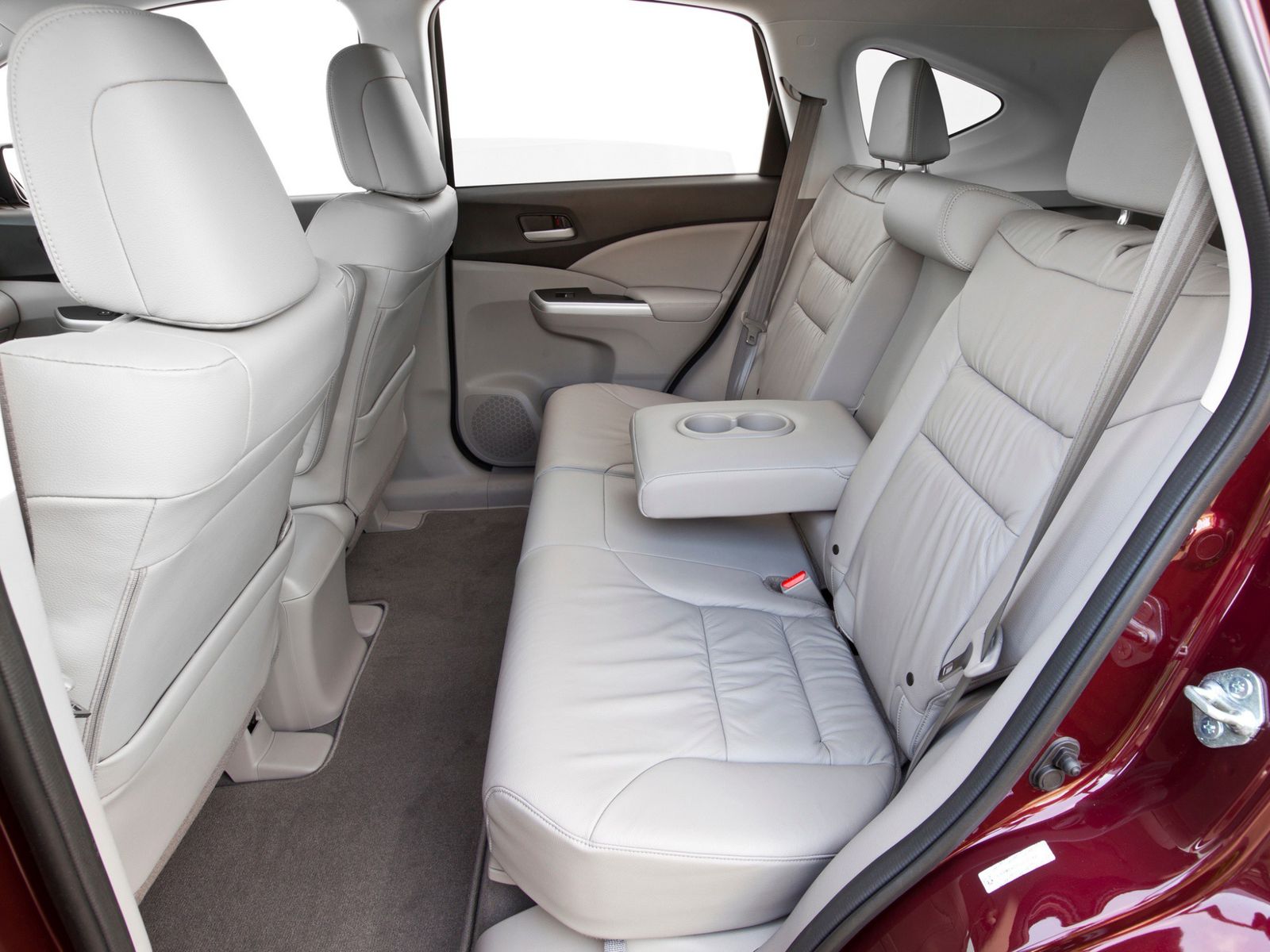
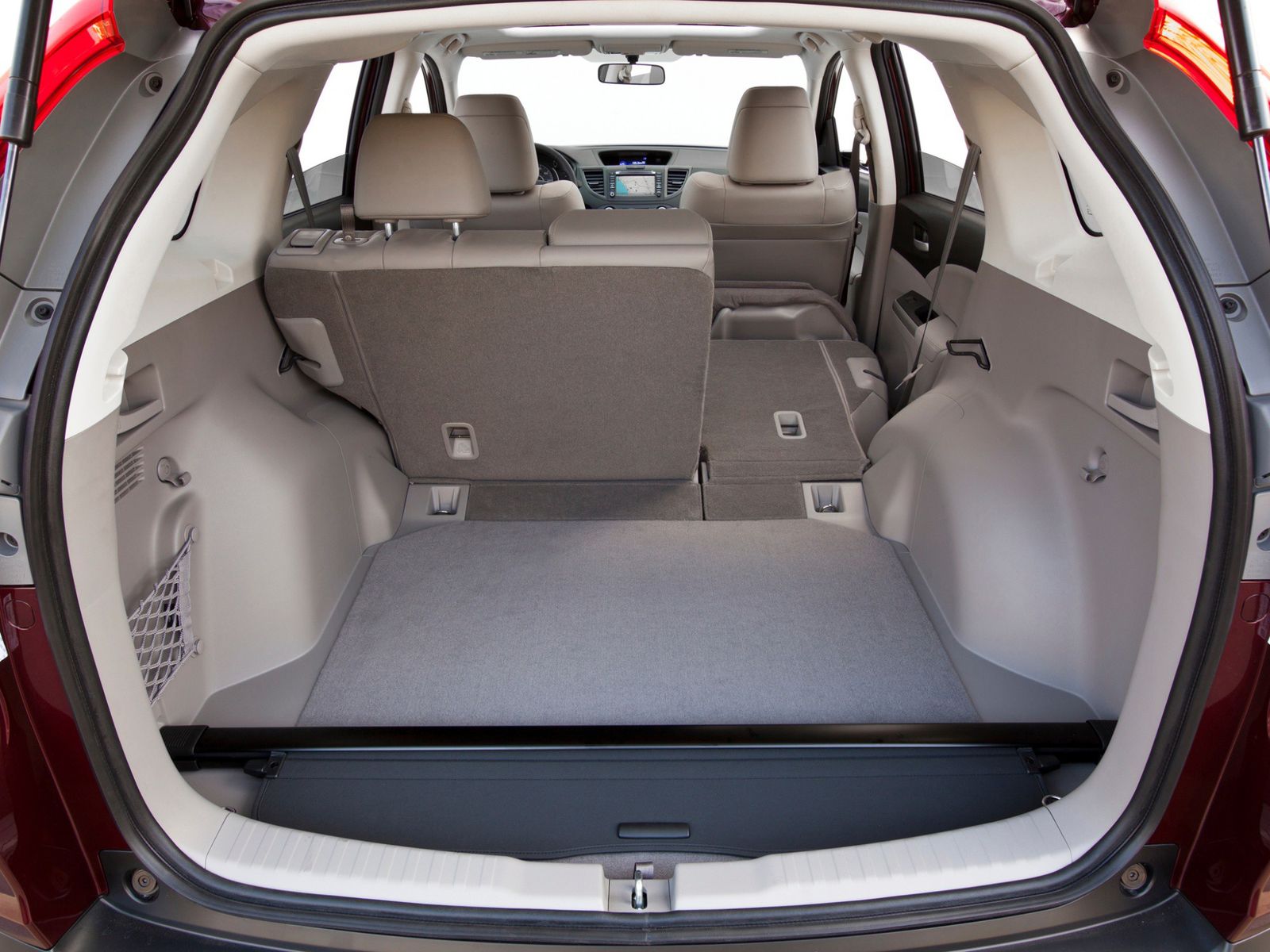
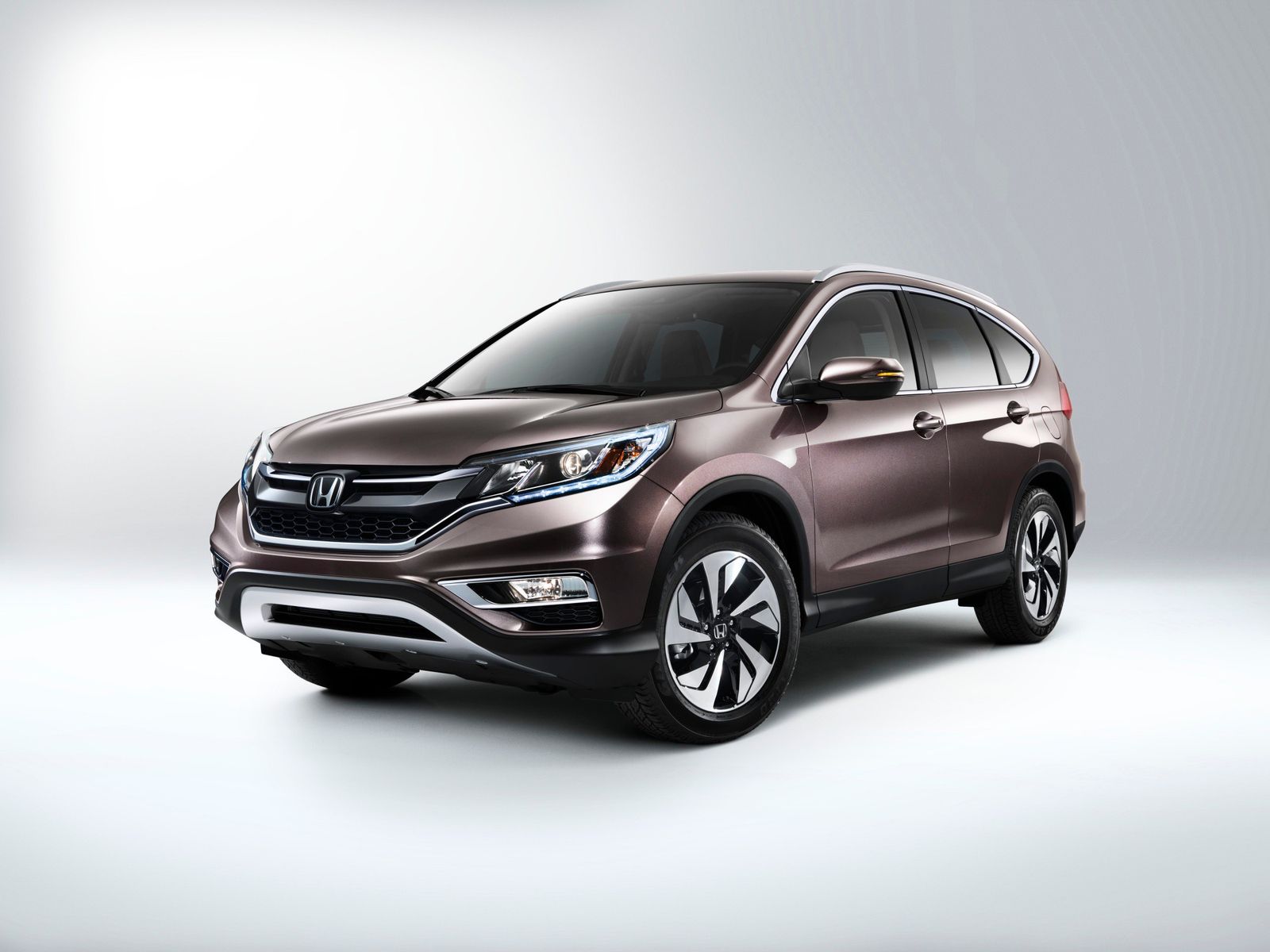
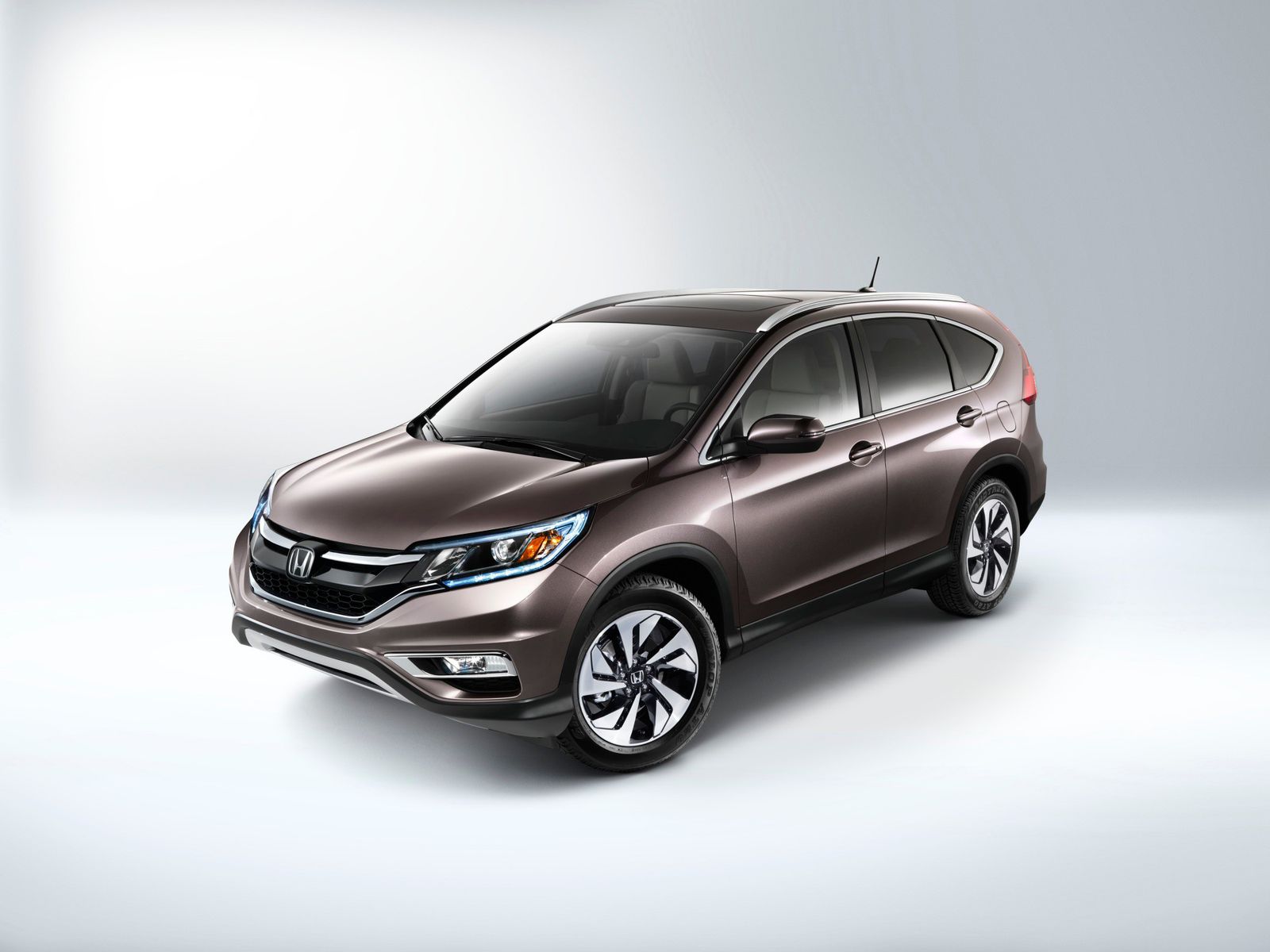
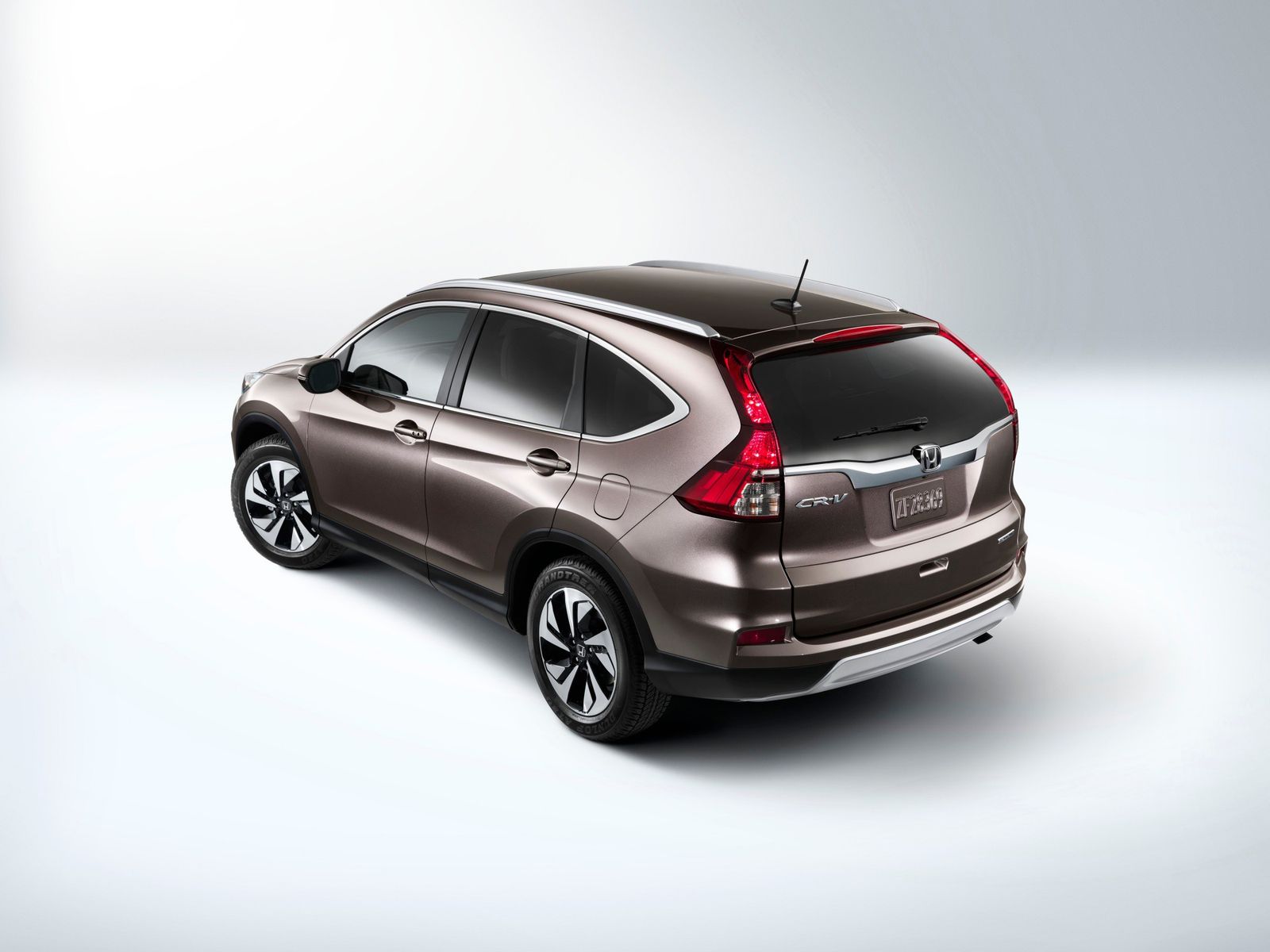
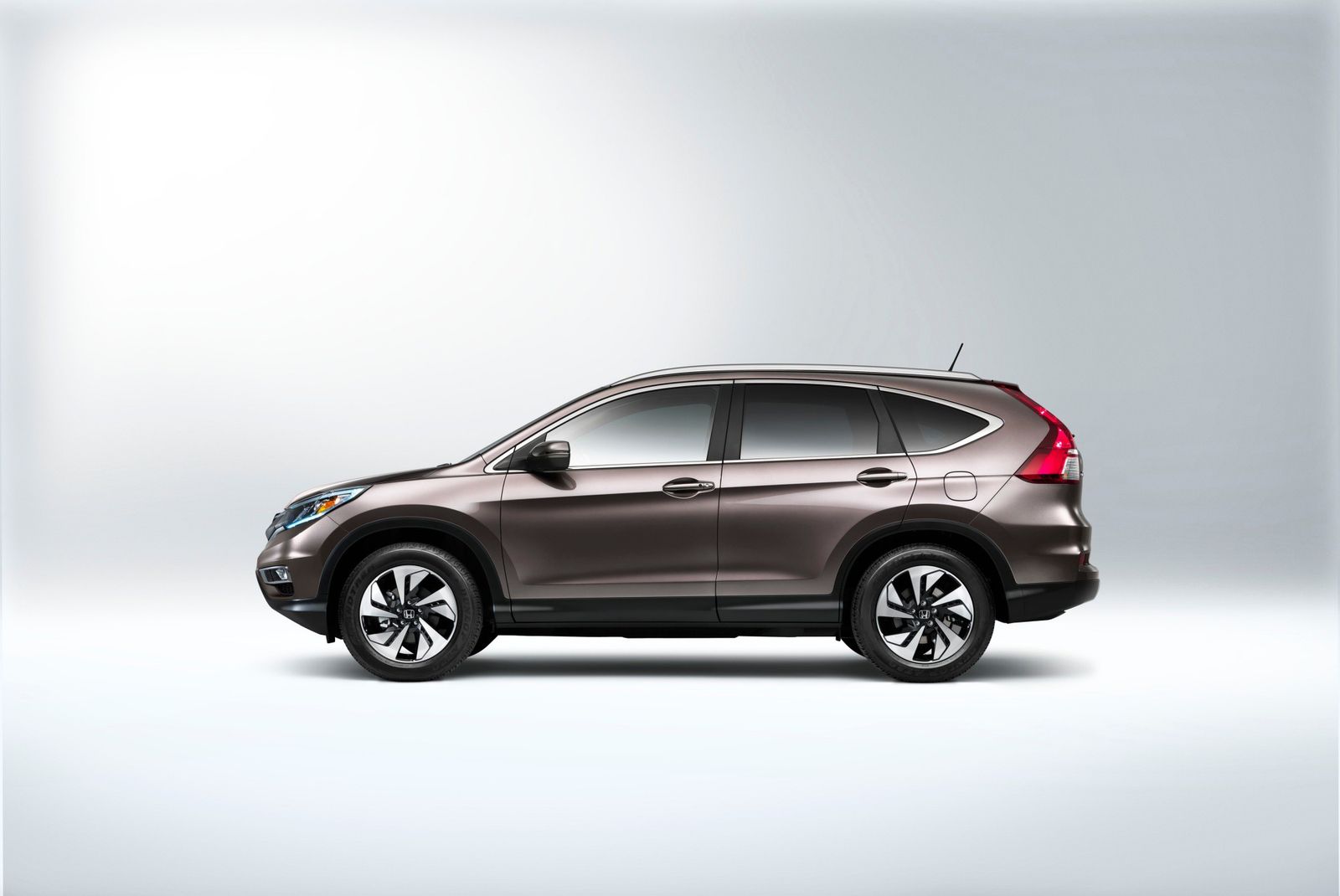
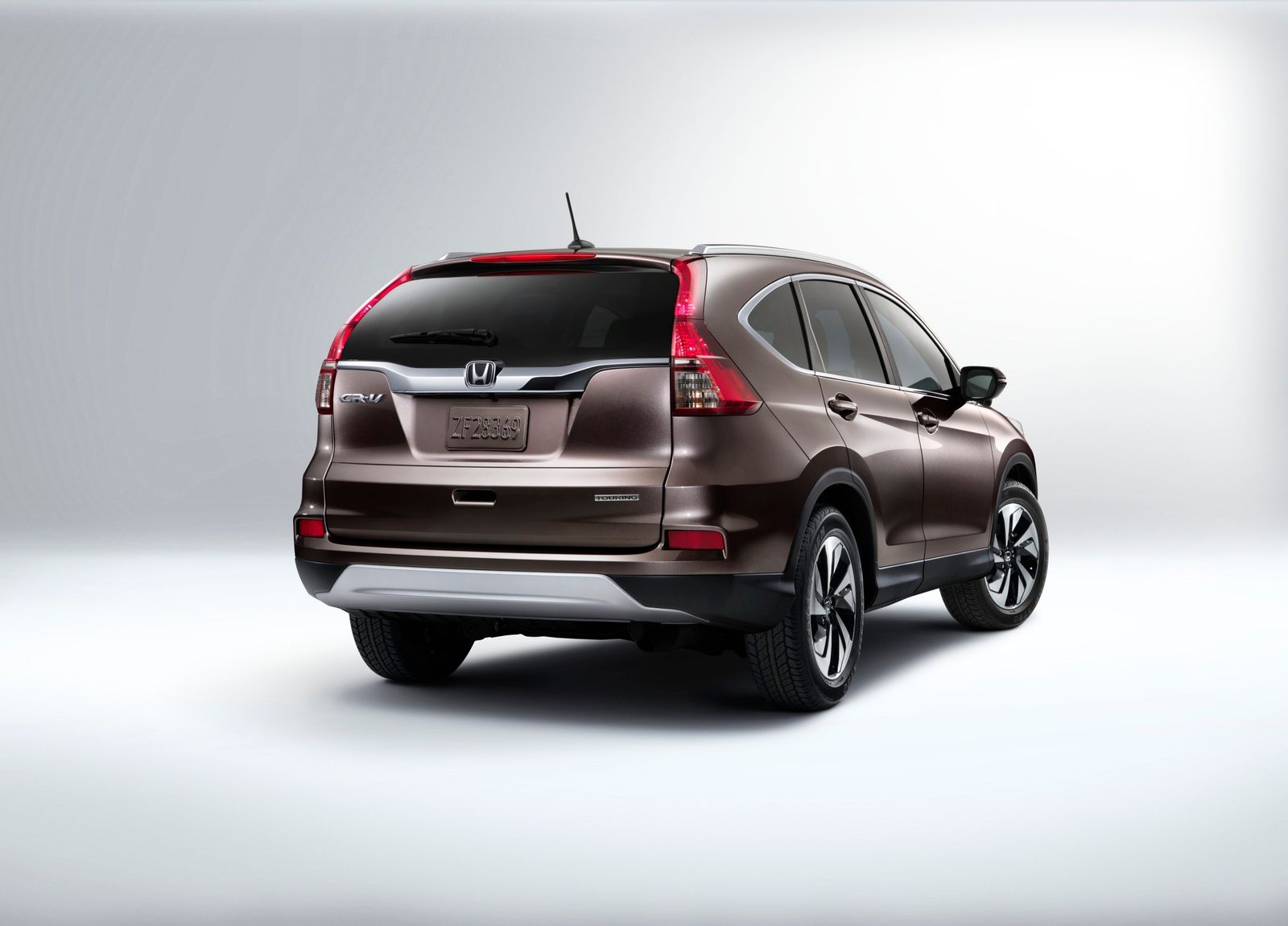
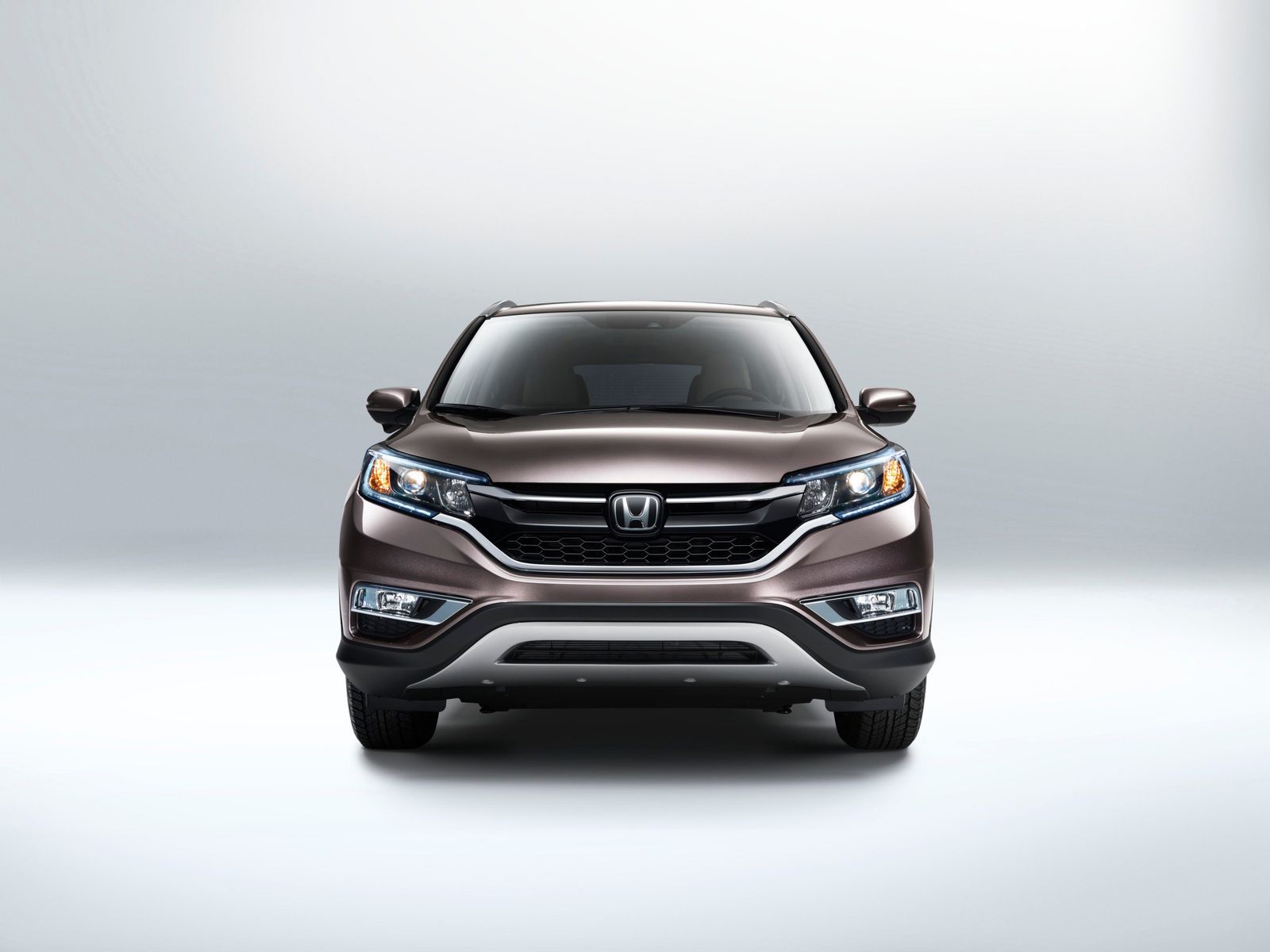
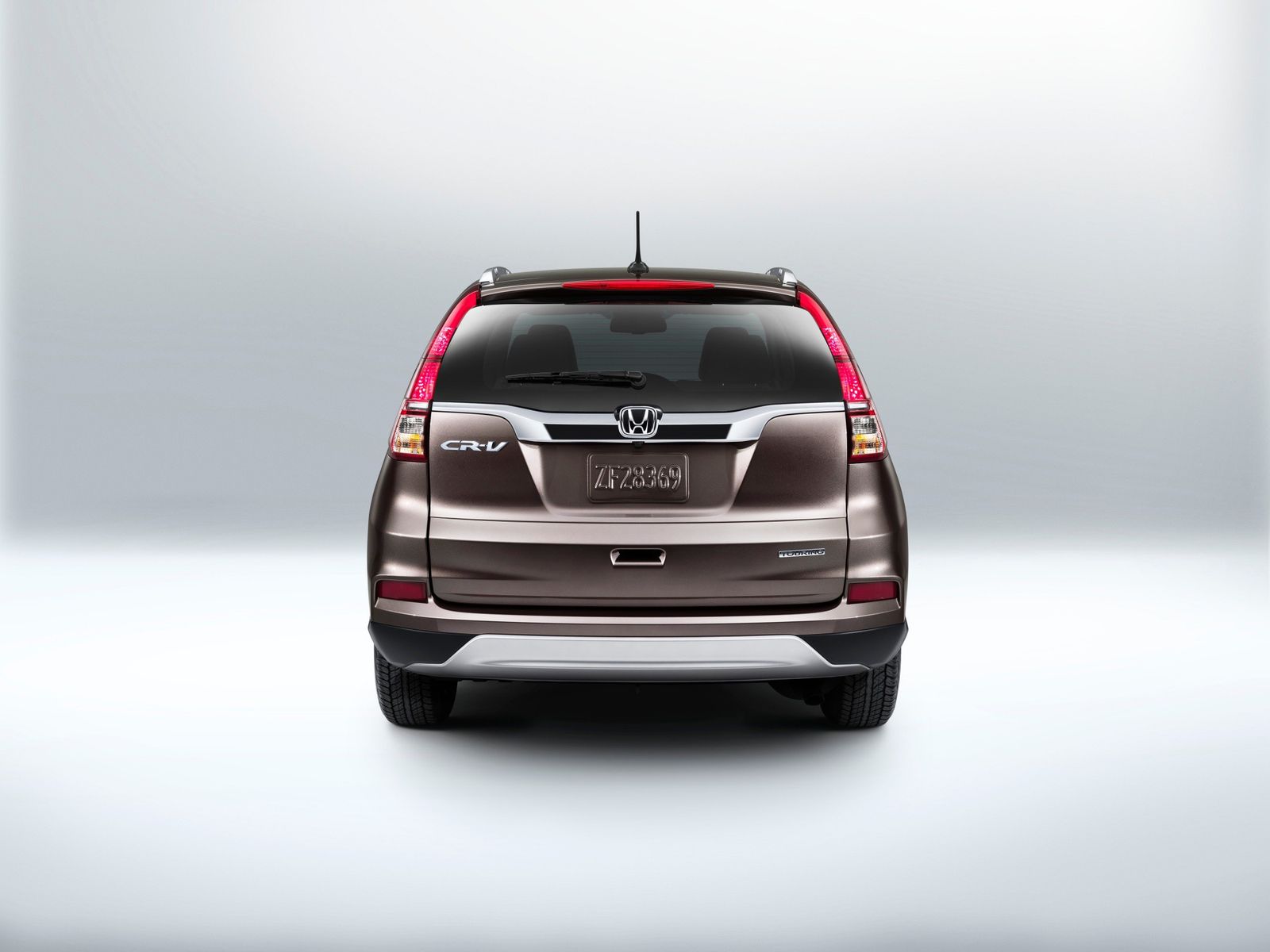
The CR-V is one of Honda's best-selling models in the United States, only surpassed by the Civic. Launched in late 2011 as a 2012 model and discontinued in 2016, the fourth-generation Honda CR-V is one of the most logical choices if you want a compact crossover SUV: it's not exceptionally good at anything, but it's a great all-rounder.
A thorough mid-cycle refresh for the 2015 model year helped Honda increase sales even more, with the compact SUV claiming the number one spot in the U.S. in 2016 in the crossover SUV segment.
PROS & CONS
Pros
Strong Points
- Good Fuel Economy Compared To Rivals
- Roomy, Versatile Cabin
- More Cargo Capacity Than Most Competitors
- Comprehensive Tech And Safety Features (Especially 2015-2016 Model Year Versions)
- Good Reliability Record
Recommended Versions
- Facelifted 2015-2016 Models
Cons
Weak Points
- Sluggish 2.4-Liter Four-Cylinder Engine On 2012-2014 Models
- Unintuitive Touchscreen-Based Infotainment System
- Some Interior Materials Look And Feel Cheap
- No V6 Option
Stay Away From
- Early Model Year 2012 Cr-Vs
Attention
Known Problems & Recalls
- Certain 2012-2013 Cr-Vs Were Recalled In 2013 Because The Gear Selector Could Be Moved From The Park Position Without Pressing The Brake Pedal, Allowing The Vehicle To Roll Away
- Some 2012 Honda Cr-V Models Were Recalled In 2012 To Fix A Problem With A Cable That Prevented The Front Doors From Latching Properly
- Honda Recalled Certain 2015 Cr-V Vehicles In 2015 That May Have Been Assembled With Improperly Torqued Connecting Rod Bolts, Potentially Causing The Engine To Lose Power Or Leak Oil
- The Automaker Recalled Some Model Year 2016 Cr-Vs On Which The Metal Housing Surrounding The Driver's Air Bag Inflator May Have Been Built Incorrectly. In The Event Of A Crash, The Inflator Could Rupture With Metal Fragments Striking The Driver Or Other Occupants Resulting In Serious Injury Or Death
CAR DETAILS
Drive
Powertrain
The fourth-generation Honda CR-V only offers a single engine choice, a 2.4-liter four-cylinder gasoline engine. On models built before the 2015 model year update, the engine delivers 185 hp and 163 lb-ft (220 Nm) of torque and works with a five-speed automatic. 2015-2016 Honda CR-Vs switched to a direct-injected 2.4-liter engine mated to a CVT. While the new engine delivered the same 185 hp, peak torque rose to 181 lb-ft (245 Nm). Both came at lower engine speed, increasing drivability.
Handling
The Honda CR-V is not a car for the driving enthusiast, but it behaves safely on the road. The steering, brakes, and suspension offer good feedback, but you can tell the CR-V is set up for comfort and not driving dynamics — which is logical for a family crossover. Pre-2015 models lack low-end power, highlighting the lack of a V6 option. The facelift improved things a little, but not by much. The suspension tuning was revised on all models, which means the CR-V offers an even better balance between ride quality and handling characteristics.
Safety
The 2016 Honda CR-V is amongst the safest mainstream compact SUV in North America. The IIHS gave the 2012-2014 models the "Top Safety Pick" rating, while the facelifted 2015-2016 CR-V upgraded to "Top Safety Pick+," receiving the maximum "Good" rating for all impact scenarios as well as a "Superior" rating for Front Crash Prevention. Pre-2015 CR-Vs got a "Marginal" rating for the small overlap front impact. In government testing (NHTSA), the CR-V received an overall rating of four stars out of five, with four stars for frontal crash, five for side crash, and four for rollover.
Interior
Comfort
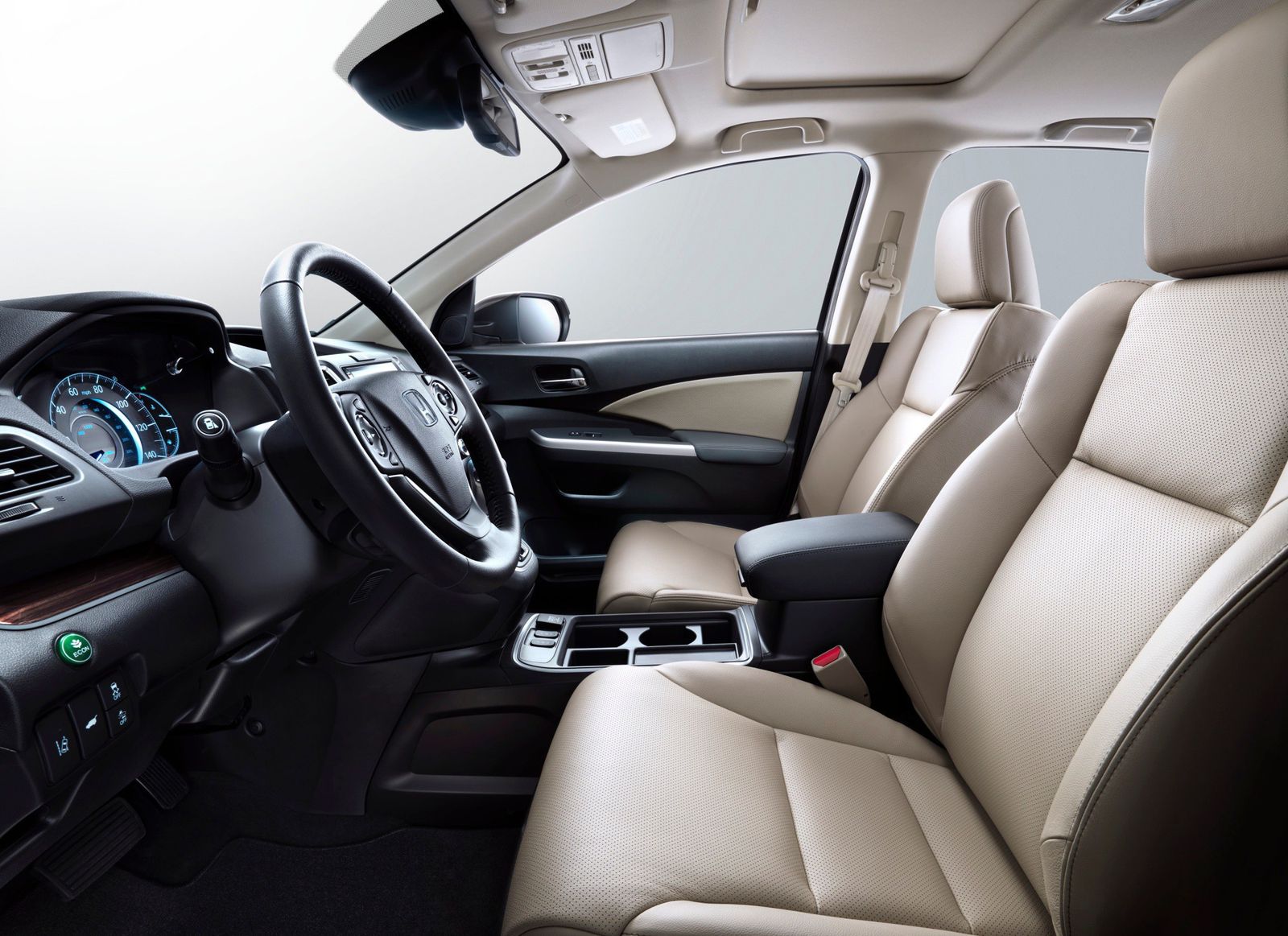
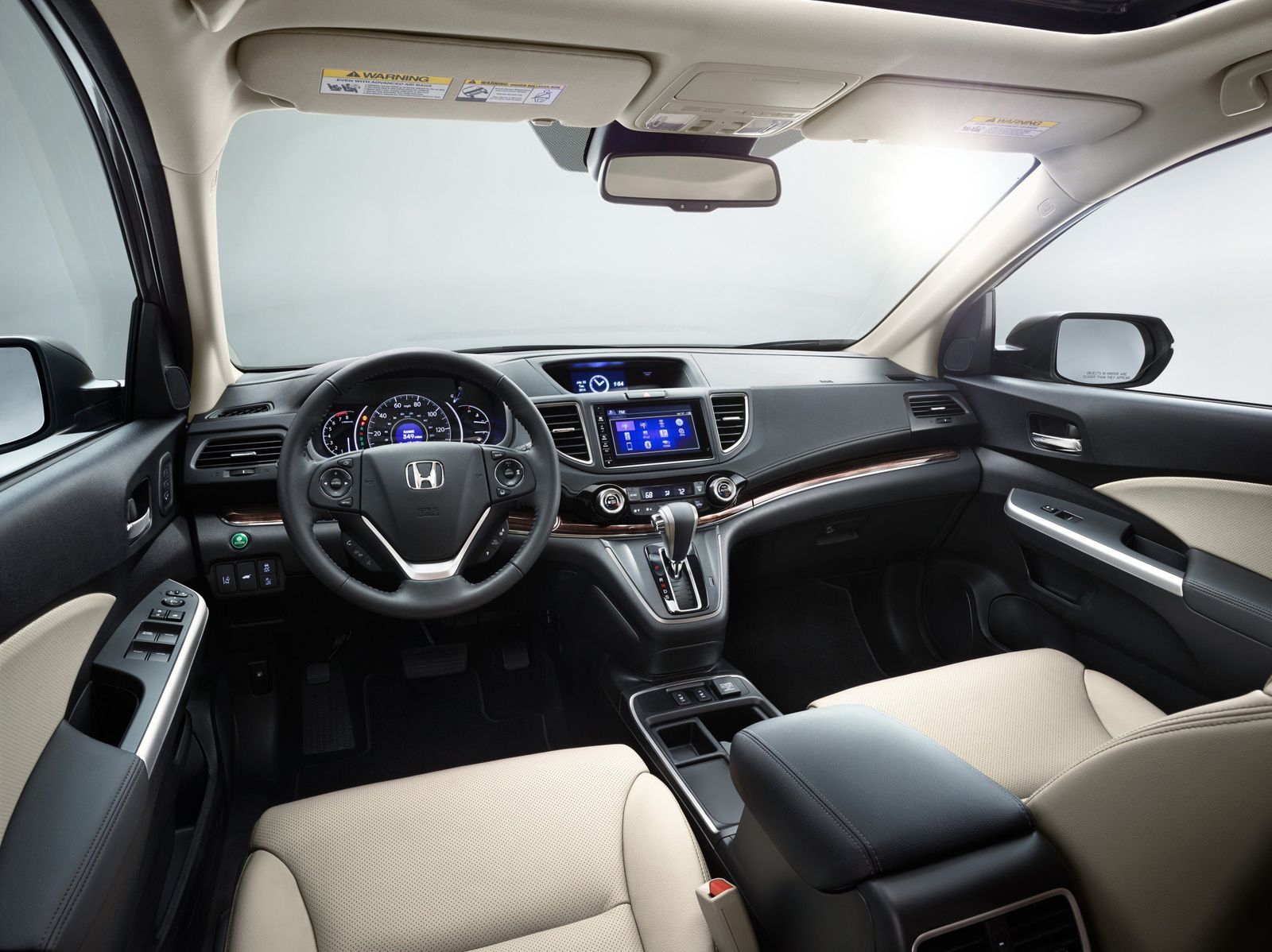
The CR-V delivers a smooth ride, with the suspension soaking up most of the bumps without upsetting the occupants. There's little noise at speed, even less when it comes to 2015-2016 models. The front seats have good torso support while the bottom cushions can accommodate a variety of body shapes in comfort. Finding a suitable position is easy, and front visibility is favored by the car's raised ride height. There's a sense of openness about the cabin that contributes to the feel-good factor.
Quality
Quality-wise, the fourth-generation Honda CR-V features below-average plastics in various places throughout the cabin. Unfortunately, most of them carried over to the updated 2015-2016 models as well, and that means many competitors look and feel more premium inside. In an attempt to fix that and give the CR-V a more premium vibe, Honda has introduced soft-touch dashboard inserts with simulated stitching on the facelifted model, but those don't cater to everyone's tastes.
Practicality
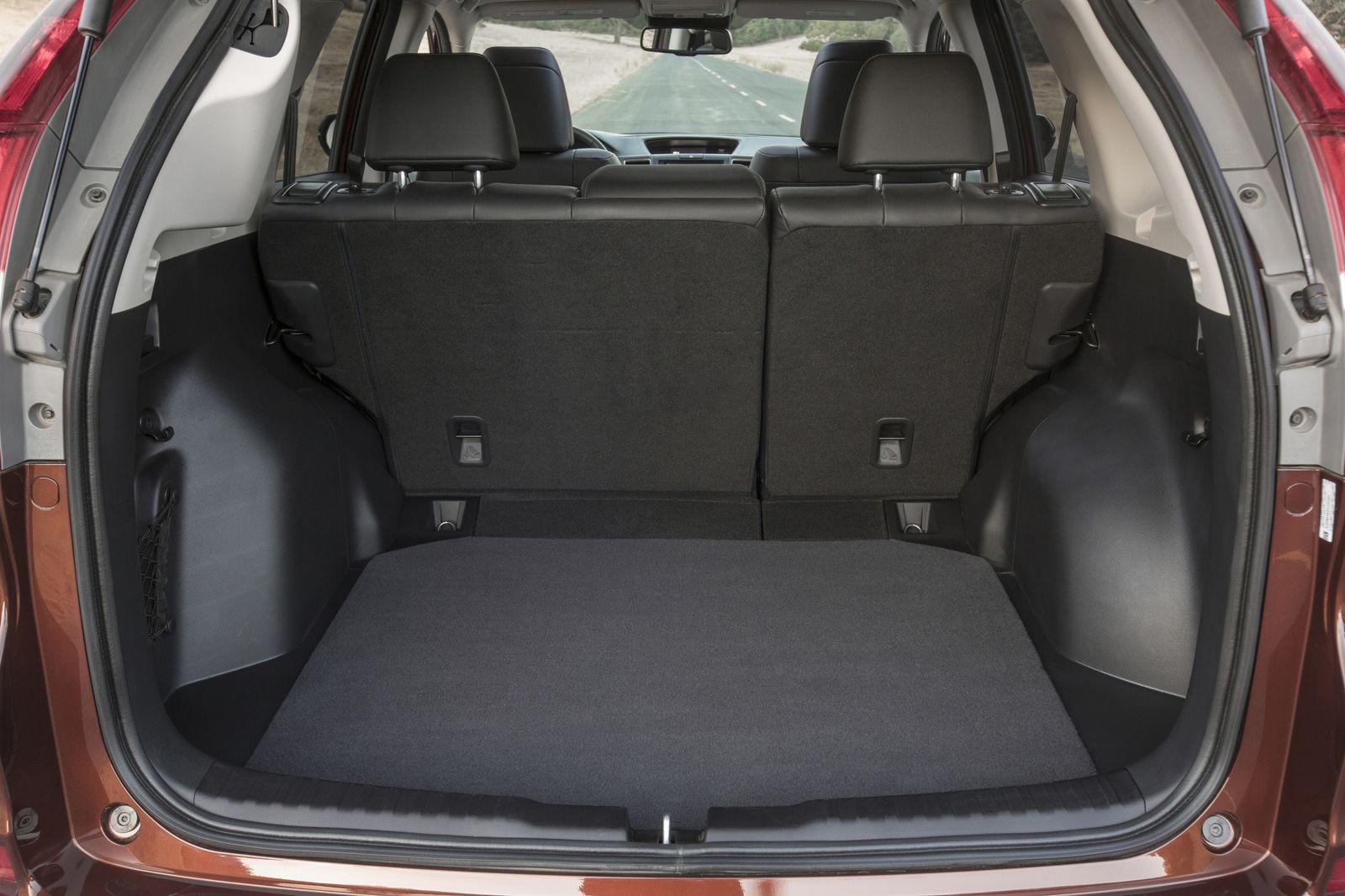
Practicality is where the CR-V shines brightest: interior designers managed to conceive a cabin that satisfies most of the average buyer's needs. Space is plentiful both at the front and in the back, there's no shortage of legroom and headroom anywhere, and the reclining rear seats come with latch anchor points for child seats in all three seating positions. At 37.2 cu ft, cargo volume behind the rear seats is generous as well and can expand to 70.9 cu ft with the rear seats folded down. Moreover, the CR-V's trunk has a low load floor, and boxy shape, which means carrying bulky items is a walk in the park.
Infotainment
When it comes to infotainment, the CR-V does not impress. Despite the fact that most controls are placed logically and easy to learn, the big problem is with the 7-inch touchscreen, which is plagued by buttons that are difficult to identify while the menu is rather confusing. Honda deemed it unnecessary to offer volume and tuning knobs, which affects user experience too. Touchscreen aside, all CR-Vs offer standard Bluetooth connectivity (both phone and audio), a text-message reader, and Pandora compatibility.
Budget
Efficiency
2012-2014 model year CR-Vs offered competitive fuel consumption for the class — 26 mpg combined (23 mpg city/31 mpg highway) for front-wheel-drive models and 25 mpg combined (22 mpg city/30 mpg highway) for AWD versions. However, fuel economy improved significantly with the introduction of the facelifted models that received a new engine and a continuously variable transmission (CVT). 2015-2016 model year CR-Vs received EPA ratings of 29 mpg combined (26 mpg city/33 mpg highway) in FWD configuration and 27 mpg combined (25 mpg city/31 mpg highway) with AWD.
Equipment
Entry-level Honda CR-V LX models come equipped with all the basics. You get 16-inch alloy wheels, air-conditioning, full power accessories, cruise control, keyless entry, automatic headlights, and a four-speaker sound system with full-color display, CD player, auxiliary audio jack and a USB/iPod interface, among other things. If you want more, the mid-range EX offers good value for money, adding goodies such as 17-inch alloys, sunroof, eight-way power driver seat, heated front seats, six-speaker sound system with an extra USB port, and a 7-inch touchscreen with HondaLink smartphone app integration.
Acquisition
A brand new 2016 Honda CR-V LX starts from $23,845 (excluding $940 destination), making it significantly more expensive than rivals such as the 2016.5 Mazda CX-5 Sport ($21,795 plus $900 destination) or the 2016 Chevy Equinox ($$22,600 plus $895 destination). It's similarly priced to the 2017 Ford Escape S, though, which is priced from $23,750 (excluding destination). As the CR'Vs commercial success shows, the Japanese model is a grown-up, multi-talented model that does everything a typical buyer expects from it. Plus, it has a great reliability record and holds its value better than most rivals.