

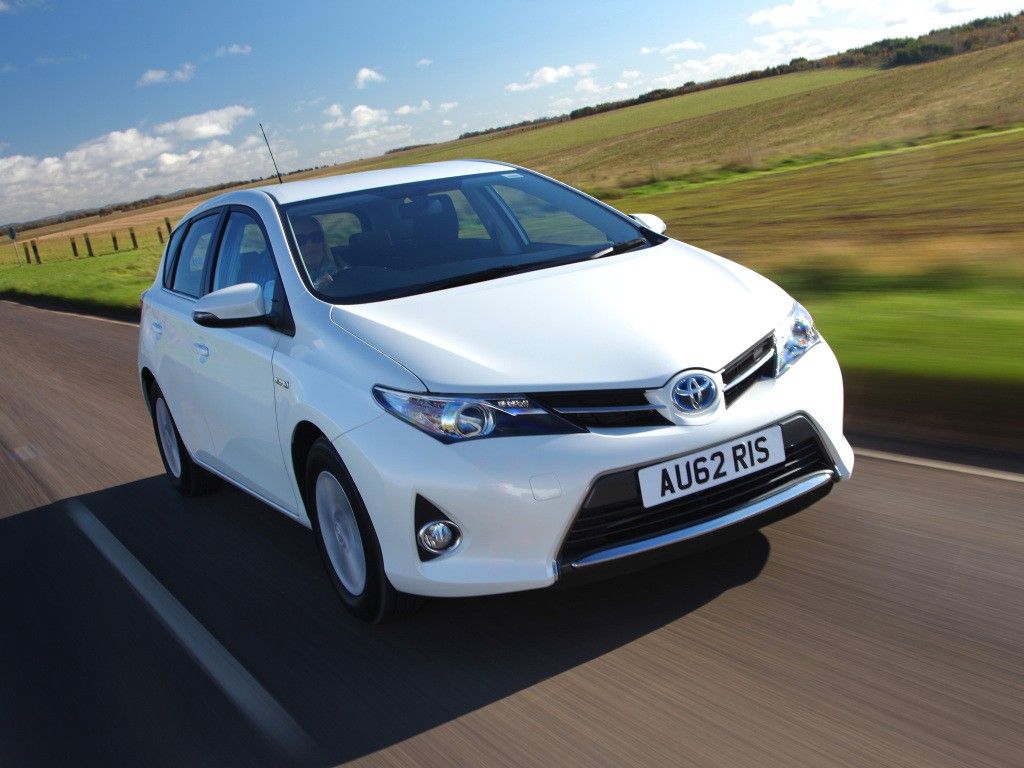
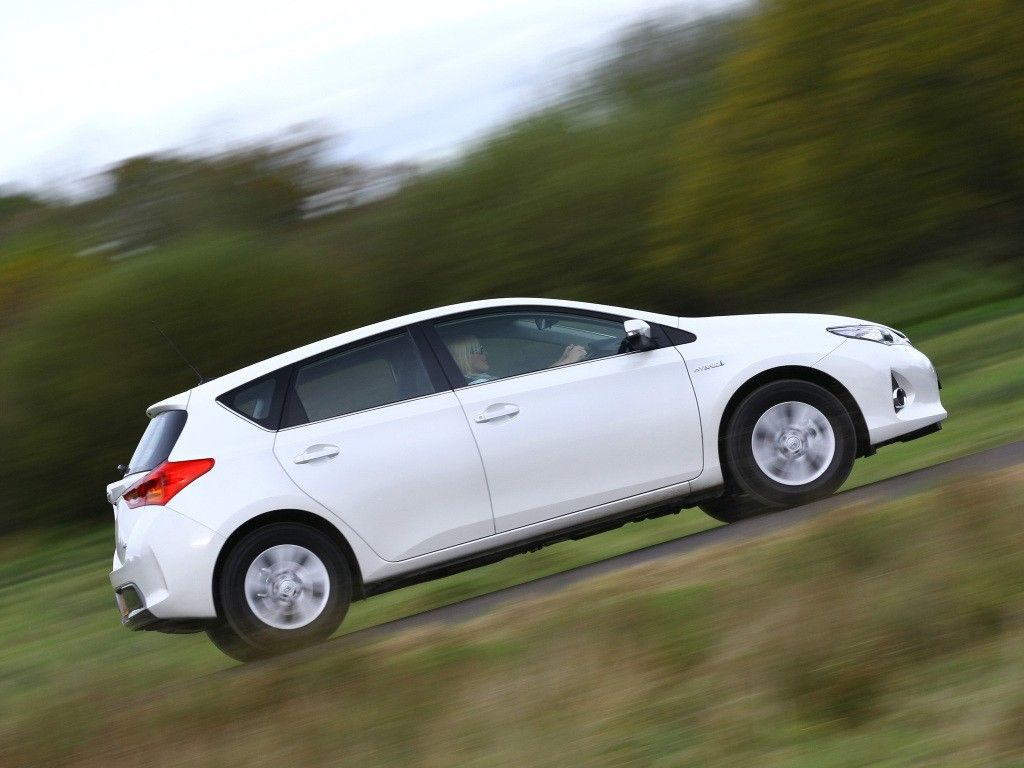
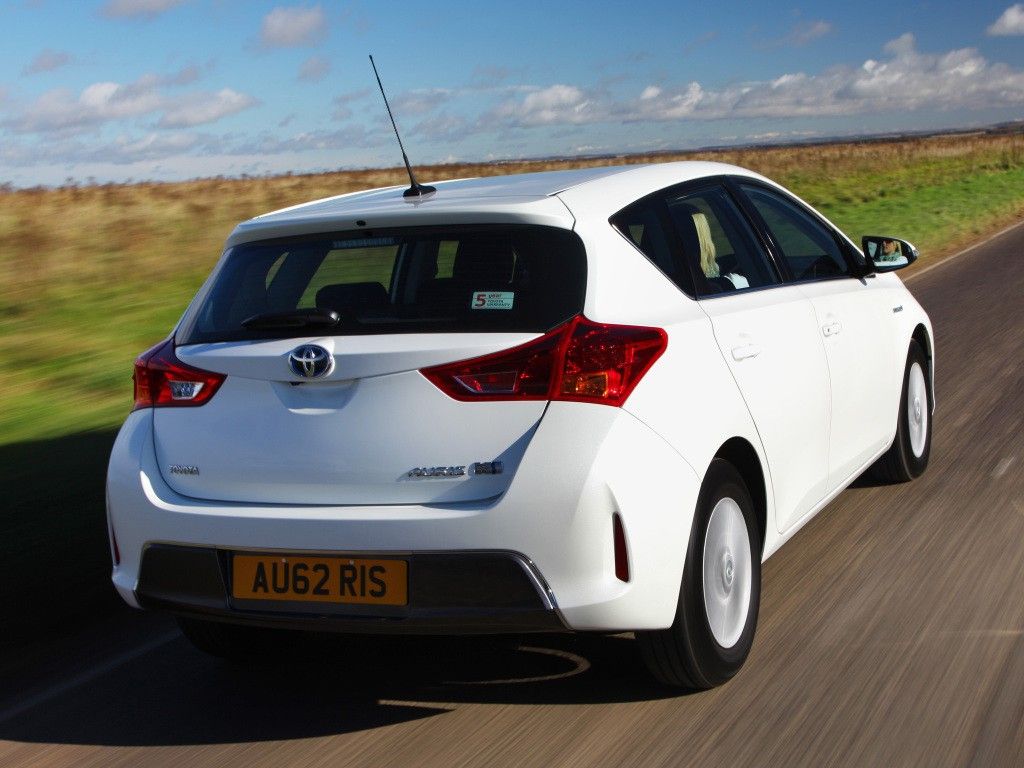

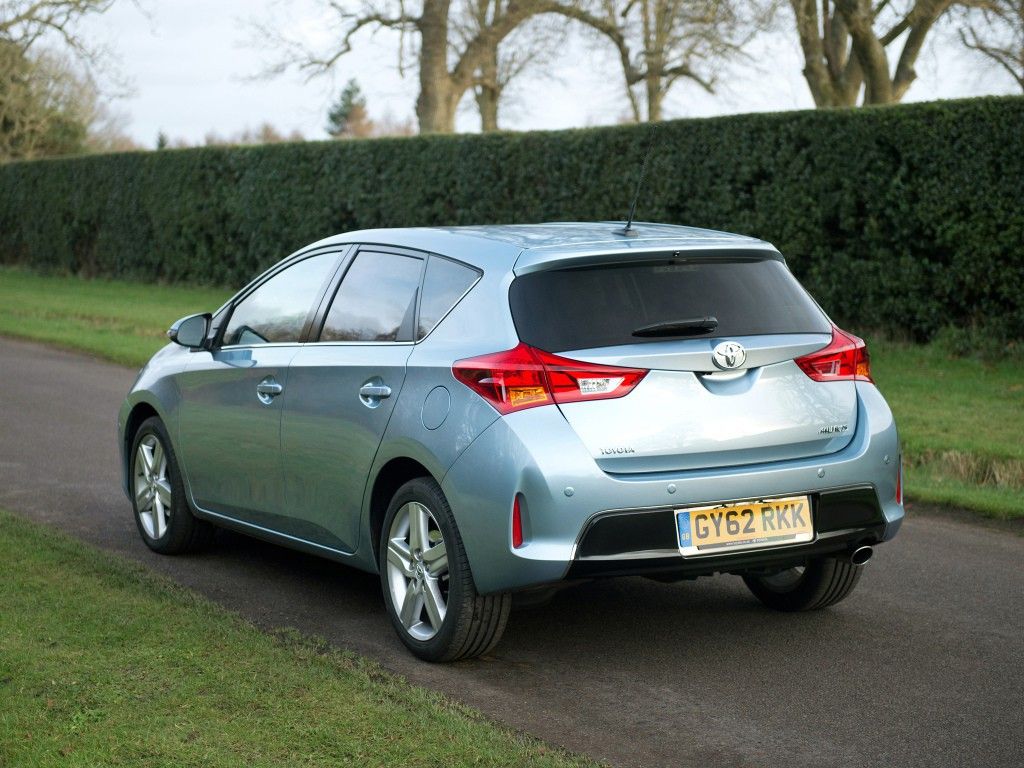
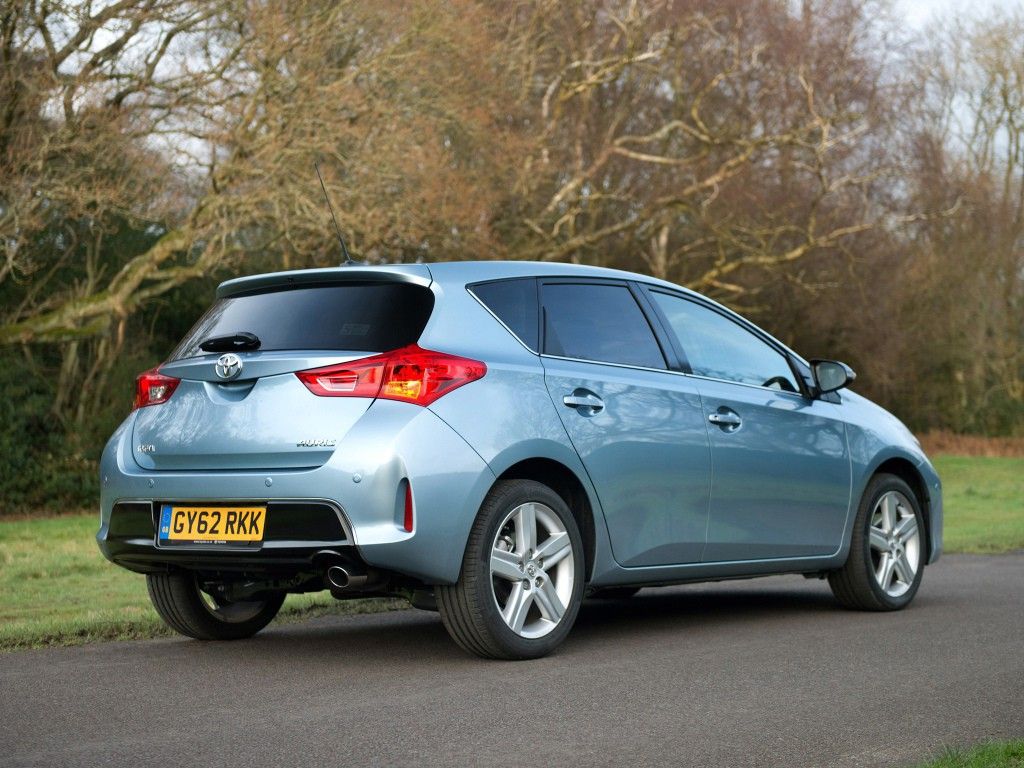
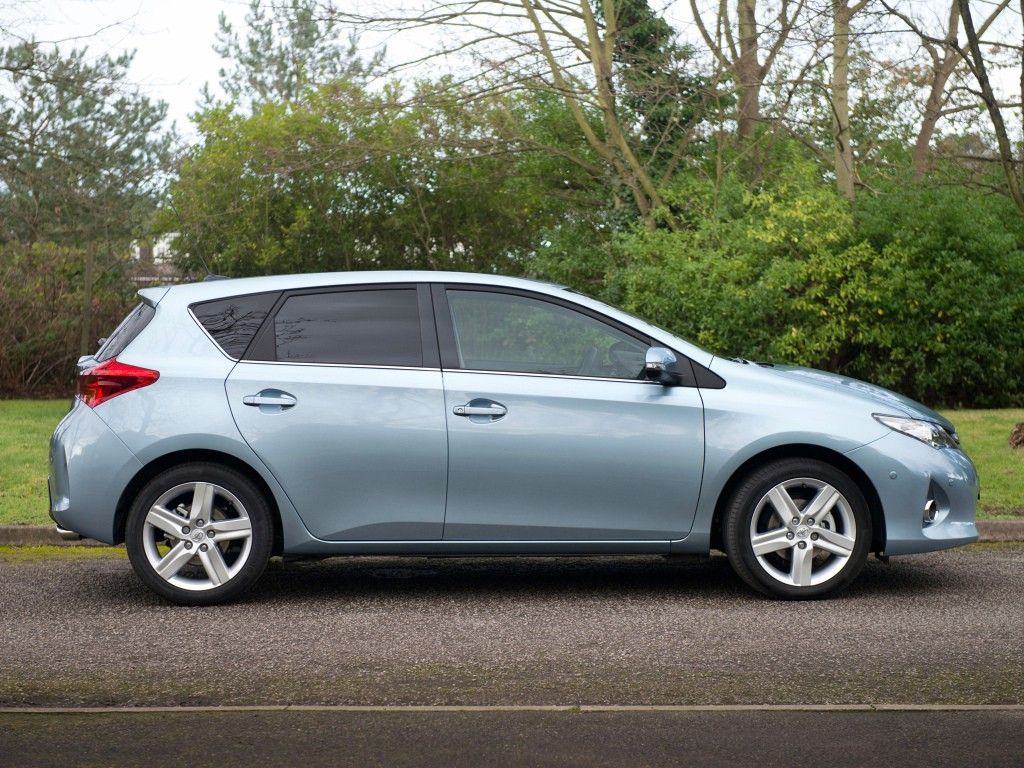
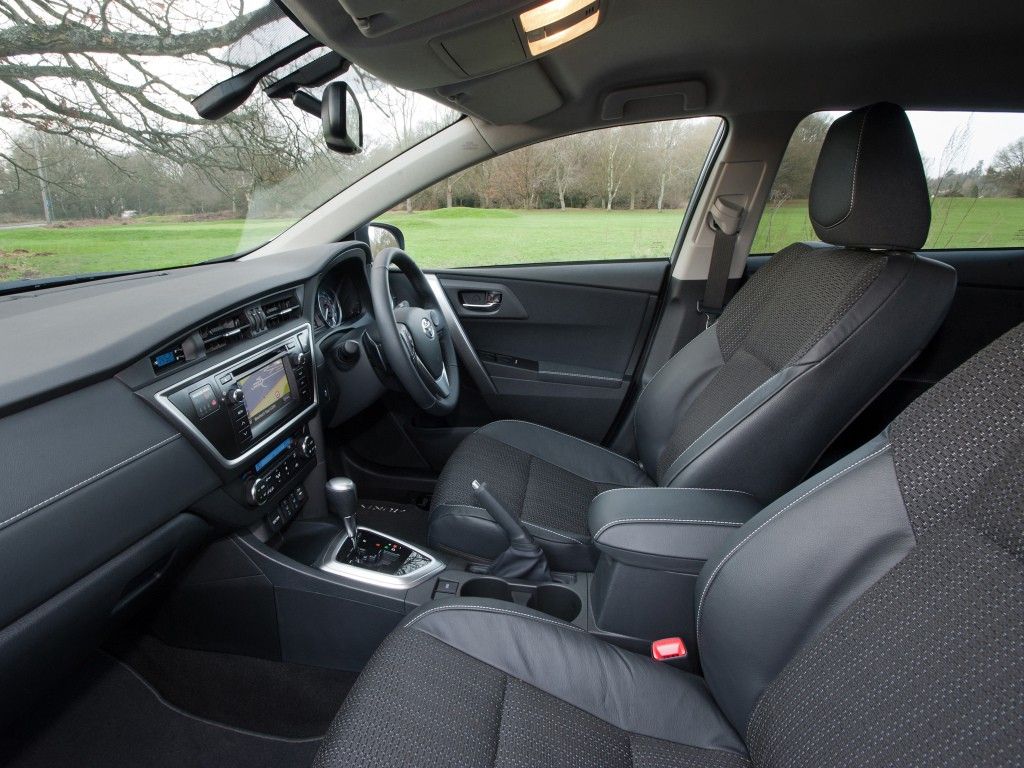
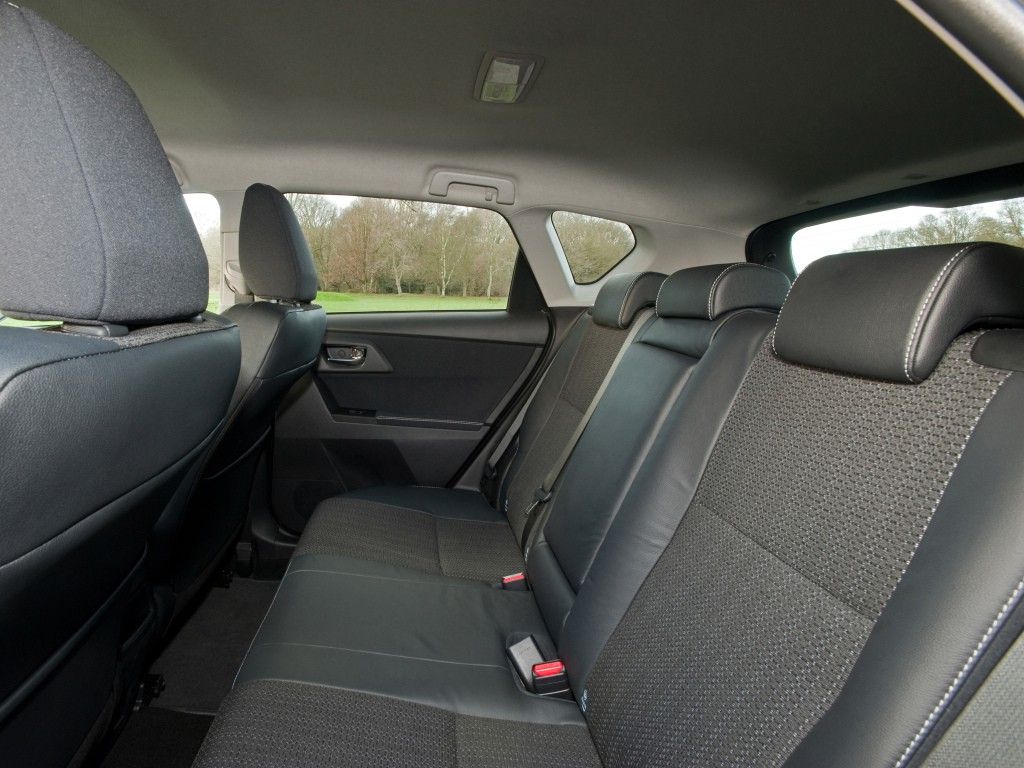
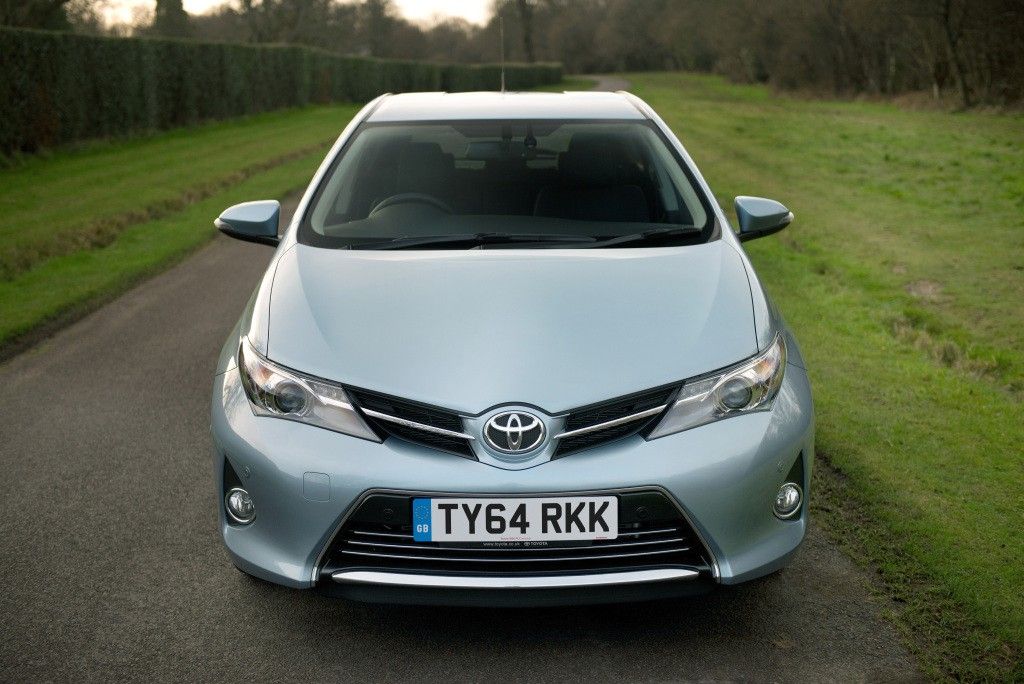
The second-generation Toyota Auris made its debut at the 2012 Paris Motor Show while European sales started in early 2013. Compared to the model it replaced, the new Auris could be easily distinguished thanks to its lower stance and strong resemblance with the Corolla (E170) both in terms of outside and inside styling cues.
PROS & CONS
Pros
Strong Points
- Reliable
- Cheap To Own
- Good Practicality
- Spacious
Recommended Versions
- Auris Hybrid
- 1.4-Liter D-4D Diesel
- 1.4-Liter D-4D Diesel
Cons
Weak Points
- Dull To Drive
- Unrefined
- Automatic Gearbox Too Noisy
- Engines Must Be Worked Hard
- Poorly Trimmed Cabin
Stay Away From
- 1.6-Liter Petrol
Attention
Known Problems & Recalls
- – Lack Of Power
- – Bursts Of Black Smoke Coming From The Exhaust
- – Premature Seat Wear
- – High Oil Consumption
CAR DETAILS
Drive
Powertrain
Toyota has been generous here and the second-gen Auris can be had with a choice of both petrol and diesel engine, joined by the hybrid variant. The entry-level 1.33-liter petrol mill is claimed to offer a fuel economy of 52.6 mpg, while the 1.2-liter turbocharged gasoline engine sitting above it in the hierarchy delivers 58.9 mpg combined. As far as the diesels are concerned, the 1.4-liter D-4D unit delivers 74 mpg on the combined cycle, but according to Toyota, the most fuel-efficient Auris is the hybrid version, which can achieve fuel economy of 80 mpg.
Things look good in terms of fuel economy, but you'll have to push the engines hard to get what you need from them, especially the 130 HP 1.6-liter petrol one and the 1.4-liter diesel unit.
Handling
There's no surprise here, as the Auris manages to show good grip and handling as long as driving is kept at a decent intensity, but the steering is rather soft and unresponsive – an advantage in the city, though. In this respect, the Auris falls behind the best car in this class. Also, the stiff suspension still has a lot of trouble in absorbing shocks when it comes to travelling on bumpy roads.
Safety
The second-generation Toyota Auris earned 33 points and was awarded with five stars at the Euro NCAP crash tests, mainly due to its seven airbags and ESC system. Furthermore, the Auris offers 92% protection for the adult occupant, 84% protection for the children occupant and 66% safety assist. The passenger compartment remained stable in the front impact, while dummy readings showed that all the body's regions received a good level of protection.
Interior
Comfort
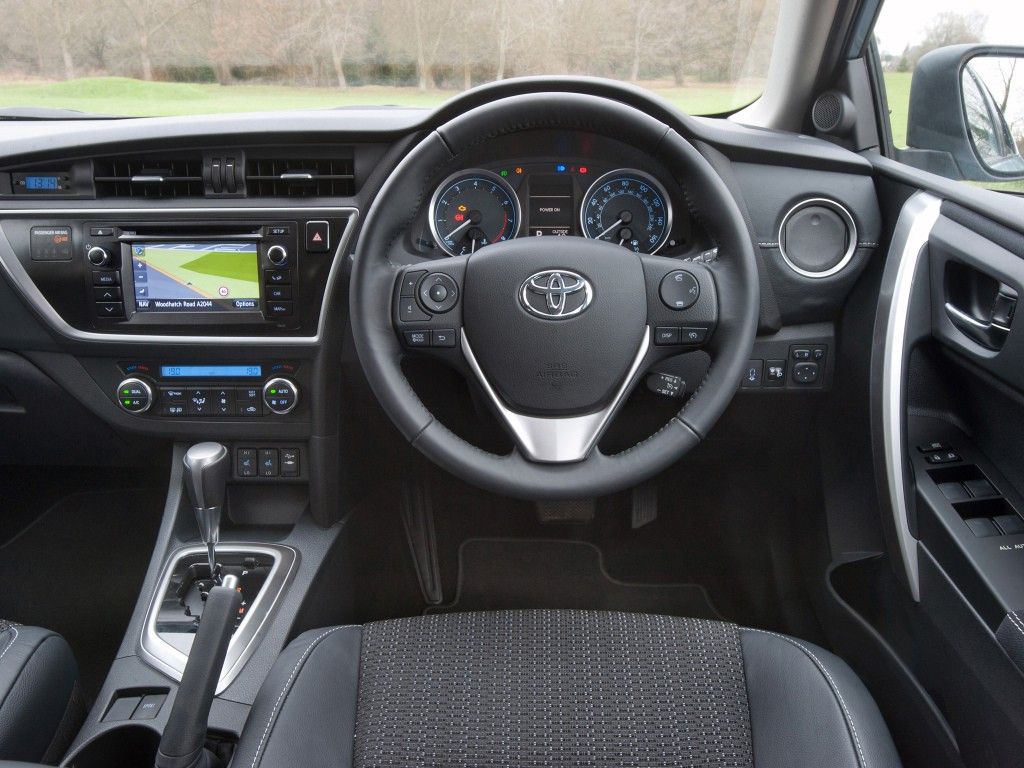
Toyota Auris does a good job out of sorting the important buttons and controls after grouping them on the easy-to-reach dashboard. A drawback here would be the infotainment system, which is not that intuitive. Otherwise, you can adjust the steering wheel and the front seats in various ways, although the driving position is a bit higher than what you'd normally expect. It's hard to say Toyota Auris has an exciting interior, since things are kept on the unexciting side with so-and-so materials and a flavorless design.
Quality
Although the Toyota Auris maintains its status of a well-built car, the quality inside is still compromised by the hard, rough plastics, although Toyota managed to improve things here and there with the use of soft-touch materials. In other words, it can't equal the kind of quality you see in the VW Golf, but it can rise to the standard seen in rivals from Hyundai and Kia, despite looking modern enough.
Practicality
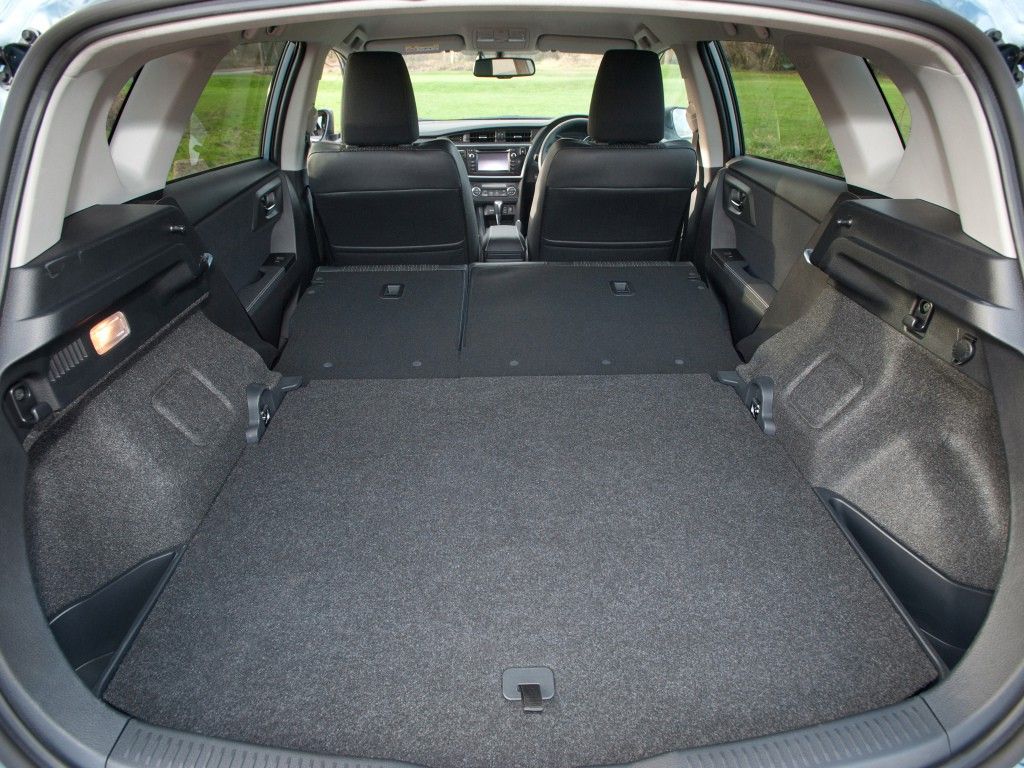
Things look better in this are, as Toyota Auris offers plenty of legroom and headroom for passengers. Also, the back seats recline for extra comfort while it can handle three adult occupants due to the perfectly flat floor. The boot comes with 360 liters of cargo space and just like in the first generation, there are plenty of pockets and cubbyholes spread throughout the interior, along with a big glovebox compartment and smaller storage areas integrated in the center console.
Infotainment
Except for the entry-level Toyota Auris, all models come with a 7-inch touchscreen infotainment system. This is one of the aspects that makes the interior look modern. Every Auris comes with a CD player and a DAB Radio, while optional features include a rear-view parking camera and a Bluetooth phone connection.
Budget
Efficiency
The 1.4-liter D-4D diesel engine is the best choice for those who will typically travel a lot – both around and outside the city – mainly because it offers the best real-world economy in the range: 74 mpg on the combined cycle. However, you should know that 50% of all Auris models sold so far come with the hybrid setup, which will offer 80 mpg combined and emissions so low that you won't have to pay taxes. Also, don't forget this is the most expensive version in the Auris line-up and theoretical fuel economy figures might not match real-life readings.
Equipment
Standard equipment for the Toyota Auris offers air-conditioning, electric front windows plus remote locking and a CD player, but as you climb higher on the trim ladder features like alloy wheels, DAB radio, leather-trimmed dashboard and automatic wipers become available. Also, buyers can benefit from seven airbags as standard plus stability control and traction control systems.
Nonetheless, Toyota made available the Safety Sense package for the Auris, which now gets automatic emergency braking, lane departure warning and traffic sign recognition.
Acquisition
The cheapest Toyota Auris is the one fitted with the 1.33-liter petrol engine, but the greenest variant is of course, the hybrid, which saves you some money you would have otherwise spent on taxes. Value for money is one of the strong points showed by the Toyota Auris, since entry-levels come with a decent number of features and higher trim levels add a lot of extra safety features.