


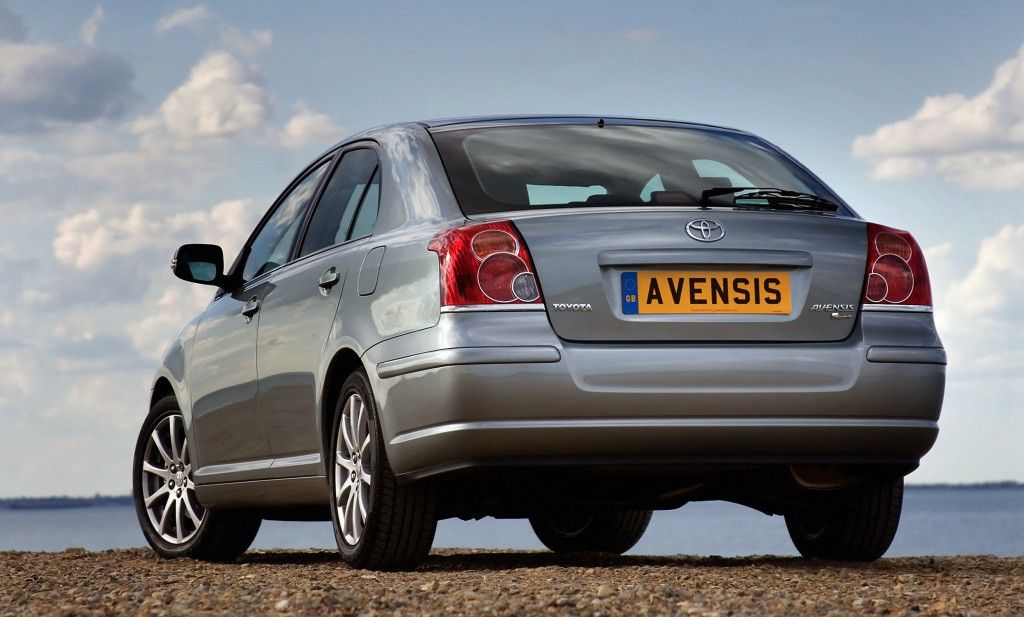
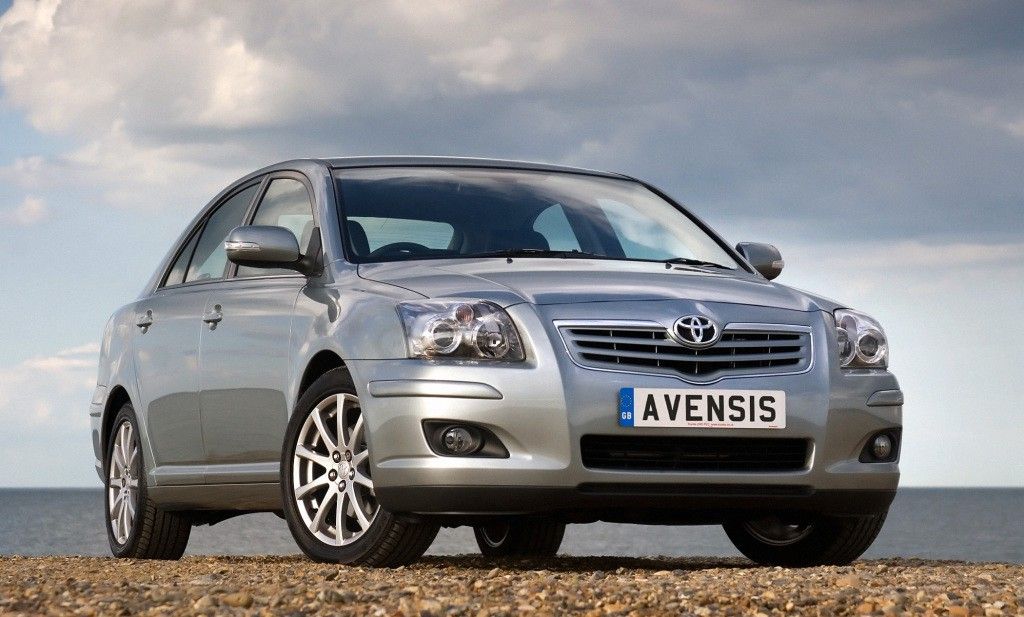
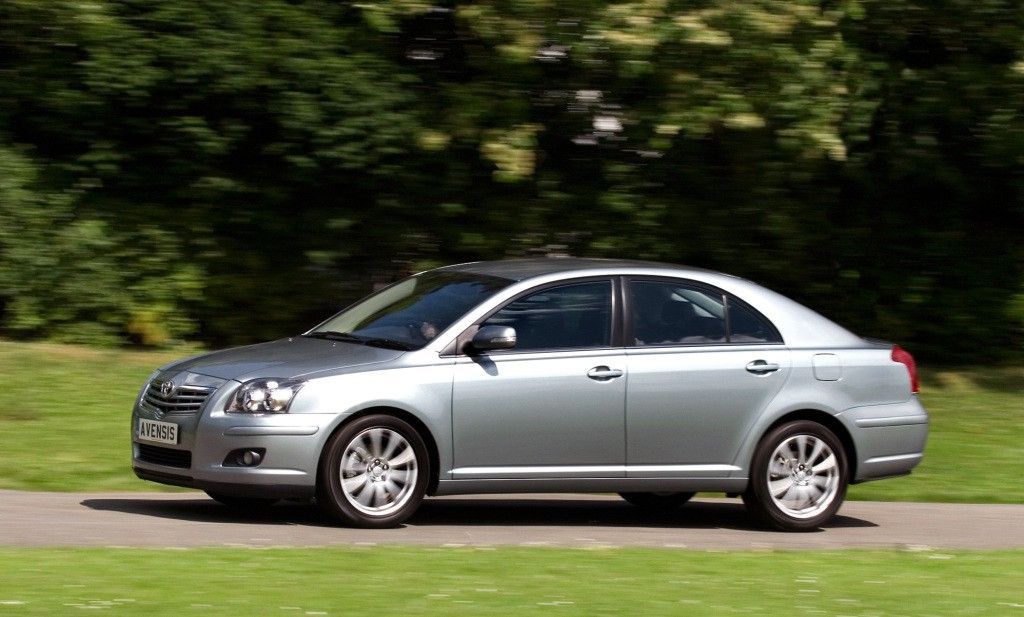

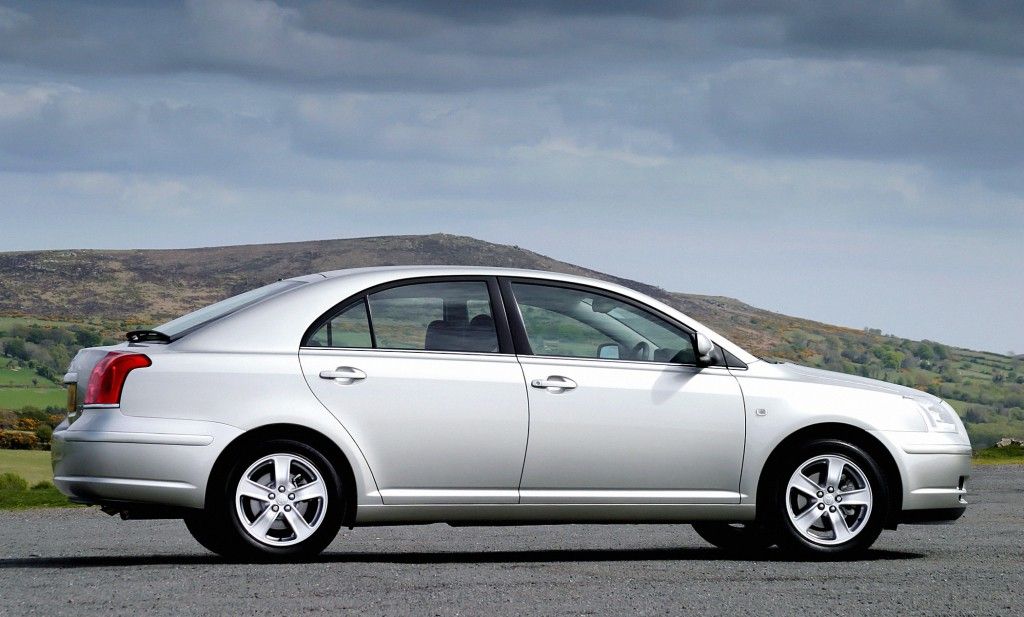
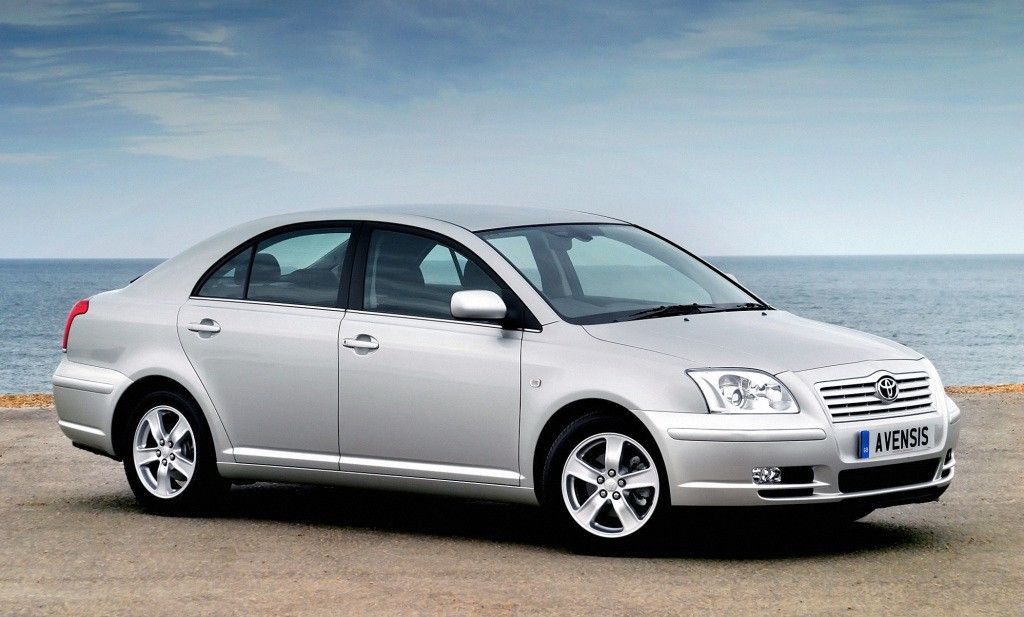
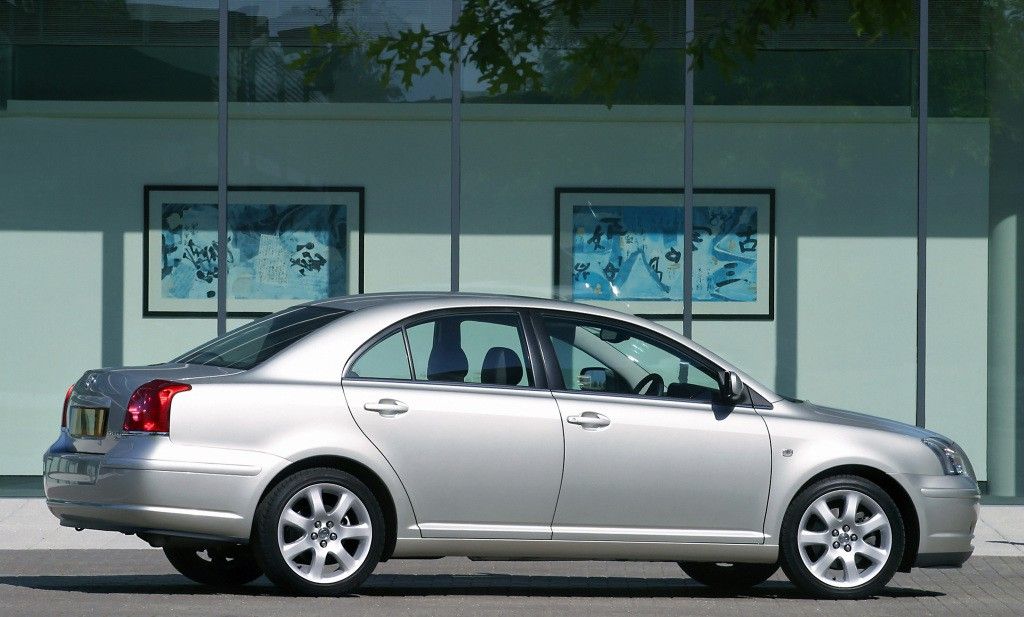
The second-gen Toyota Avensis (codenamed T250) was introduced in 2003 and offered a complete different format from what Toyota had to offer with the first-generation Auris. It was named the "Best Family Car" for 2004 and 2005 and it also secured the fourth spot in the 2004 European Car of the Year contest. It was sold until 2009, when Toyota introduced the third-generation Avensis, and managed to retain a good resale value, mainly due to its reliability and comfort.
PROS & CONS
Pros
Strong Points
- Safe
- Very Reliable
- Overly Comfortable
- Potent And Efficient Diesel Engines
- High Build Quality
Recommended Versions
- 114 Hp 2.0 D-4D
- 148 Hp 2.2 D-4D
- 148 Hp 2.2 D-4D
Cons
Weak Points
- Boring To Drive
- Dull Interior
- Unconvincing Exterior Design
Stay Away From
- The 1.8-Liter Vvt-I Petrol Engine
Attention
Known Problems & Recalls
- Clutch Breakdown After 10,000 Miles (16,000 Km), Especially On Diesel Engines
- – Water And Condensation May Appear In The Headlights Of Some Models, While Some Bulb Holders Are Know To Melt In Some Cases
- – In Rare Cases, The Steering And Brakes Can Display Problems (The So-Called Rattling) So Make Sure You Check Them On A Regular Basis
CAR DETAILS
Drive
Powertrain
The entry level Toyota Avensis comes fitted with the 1.8-liter VVT-i petrol engine, good for 129 HP. While this is not a bad choice, the 2.0-liter petrol mill is both smoother and quicker. In the diesel department, the Avensis was initially offered with only one diesel mill, namely the 114 HP 2.0 D-4D. This was later on upgraded to 124 HP and was joined by the 136 HP 2.2-liter diesel engine, also offered in a top-of-the-range version with 175 HP. The whole setup is designed for cruising rather than speed, something also expressed by the six-speed manual transmission.
Handling
Don't expect sporty feelings from the Avensis, because the car was build with a focus on safe and predictable handling, therefore comfort came first. Steering and suspension were tweaked once the facelift hit the market and these models handle and ride better. However, steering remains light and lacks feel, but it is ideal for long journeys outside the city, where the diesels will show their true value.
Safety
The second-gen Toyota Avensis was awarded five stars at the Euro NCAP crash tests, mostly due to the fact that the entry-level Avensis comes with nine airbags (kneebag included for the driver) plus ABS, stability control and traction control, topped by Toyota MICS (Minimal Intrusion Cabin System), which absorbs and spreads impact energy for minimum cabin distortion if an impact occurs.
Interior
Comfort
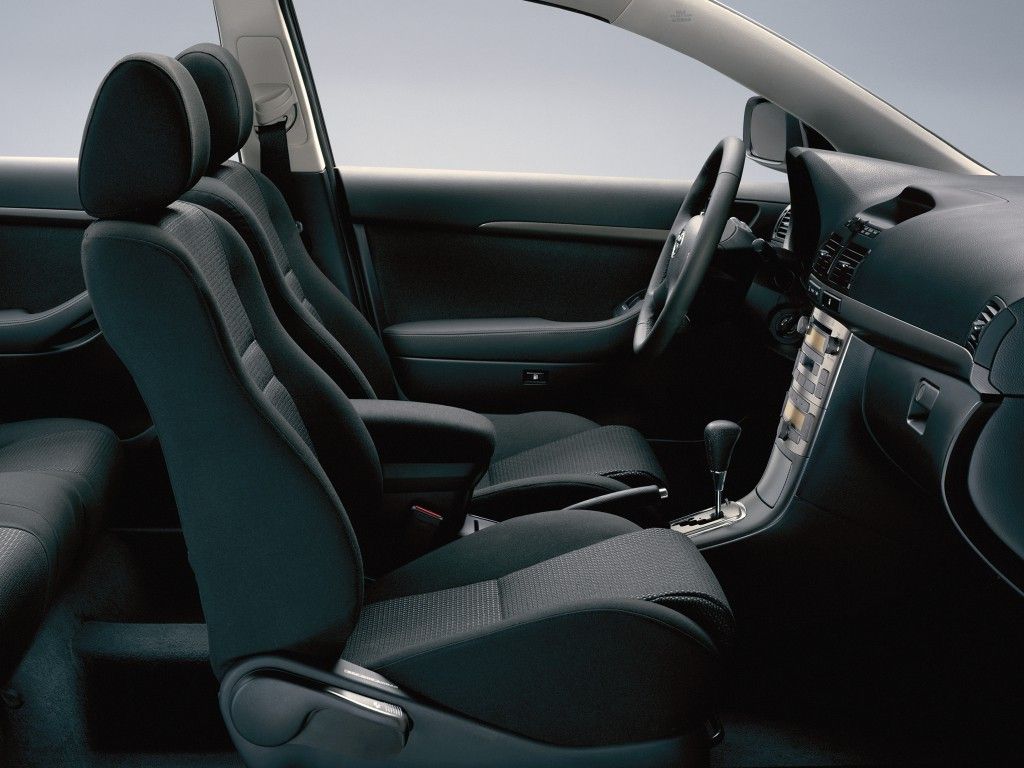
The driving position in the Toyota Avensis is very comfortable, with a lot of adjustments that can be made. Also, the seats offer a good amount of support and the backseat is rather generous, which means the Avensis can be seen and used as an excellent family car. The overall comfortable atmosphere is also enhanced by the suspension setup, which does a good job in absorbing shocks on rough patches of asphalt. There's one downfall here: at greater speeds, the cabin receives a lot of wind noise from the outside.
Quality
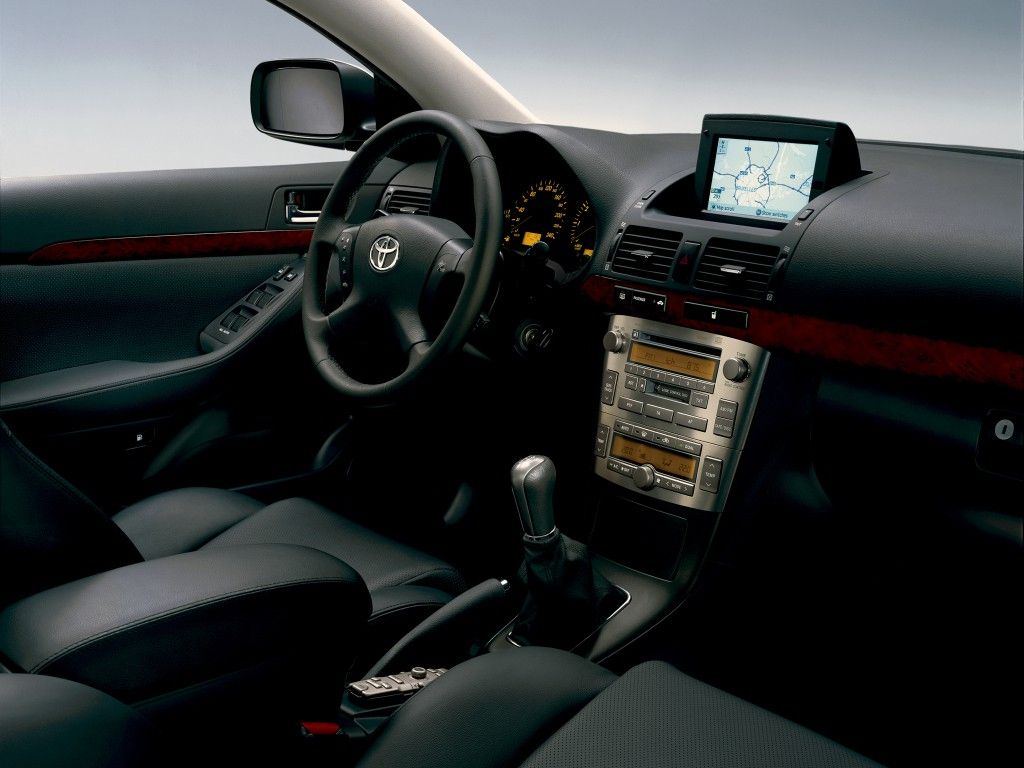
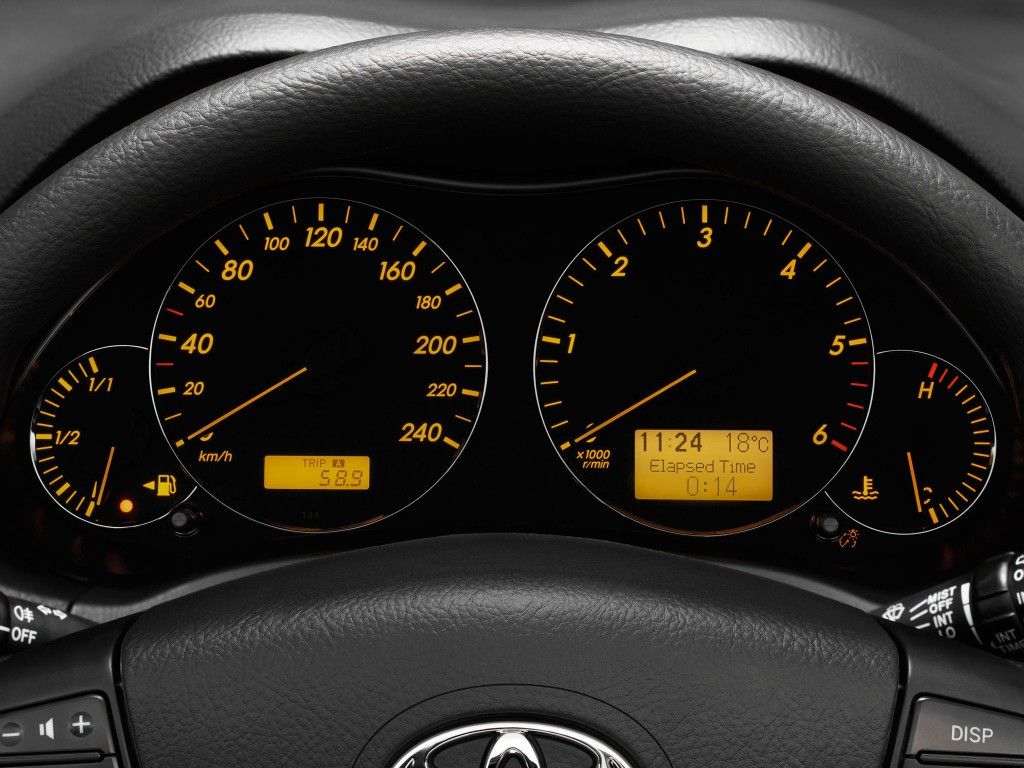
The overall build of the Toyota Avensis adheres to raised standards, however, the interior remains a bit on the down side when it comes to quality. Expect hard plastics and a dull overall atmosphere coupled with an outdated dashboard because the second-gen Avensis is not about looks but more about the practical aspect, despite details such as the metallic-look inserts and the permanently back-lit dials.
Practicality
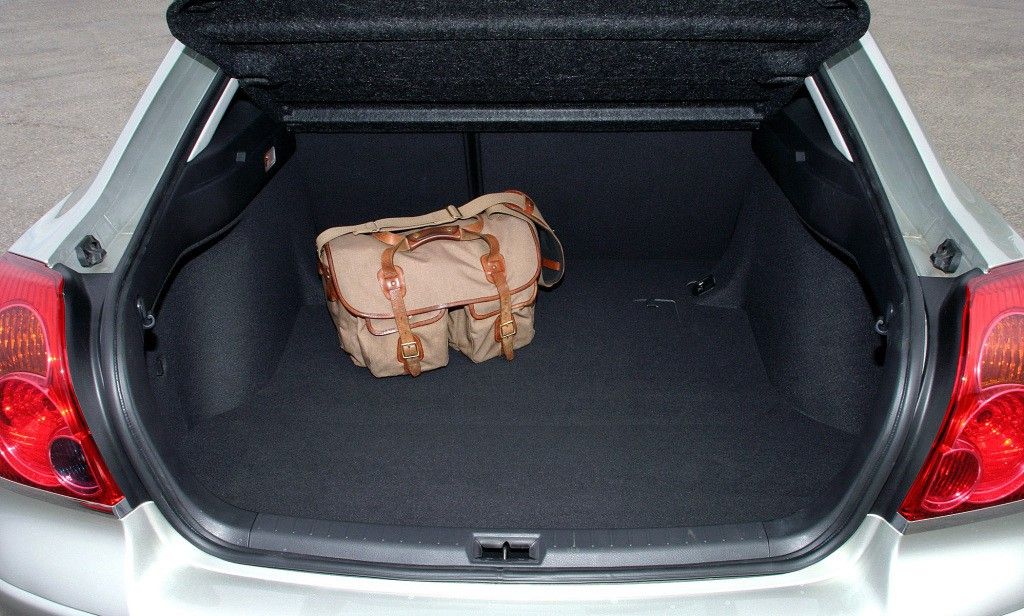
This is where the Avensis finds itself on the strong side. Four adult passengers can travel in optimal comfort conditions inside the Toyota Avensis while their personal objects can be stored in the multitude of pockets and compartments scattered inside the car. The boot offers a cargo area volume of 520 liters and it is also worth noted that the seats can be folded to create a flat loading zone with up to 1,320 liters of space.
Infotainment
Not much to discuss about here, but every Toyota Avensis comes with a CD player and air conditioning as standard features, plus a turn-by-turn satellite navigation system as an option, available on the T3-S version and above.
Budget
Efficiency
The 2.4-liter petrol will drink around 30 mpg, but that's the highest fuel consumption rate you'll see in the second-gen Toyota Avensis. In the petrol department, fuel consumption varies from 35 mpg to 40 mpg, while the diesels will only request between 40 mpg and 51 mpg to do their job. CO2 emissions across the range are rated at 176 g/km.
Equipment
In standard guise, every Avensis comes with air con, CD player, electric front windows and nine airbags, a safety boost that's hard to ignore. Higher trim levels offer 16-inch alloy wheels, electronic climate control and electric rear windows, cruise control, a satellite navigation system and goodies like electric lumbar support, adjustable electric front seats and leather trim.
Acquisition
The Avensis holds a big advantage over rivals like the Opel/Vauxhall Vectra in the sense that it offers better value for money. That is why prices might be a bit higher. However, the Toyota Avensis is one of the most reliable, most confortable and safest cars money can buy. Word of advice: look for the upgraded engines introduced by the facelift if you're looking for more refinement but also slightly improved power and efficiency ratings.