


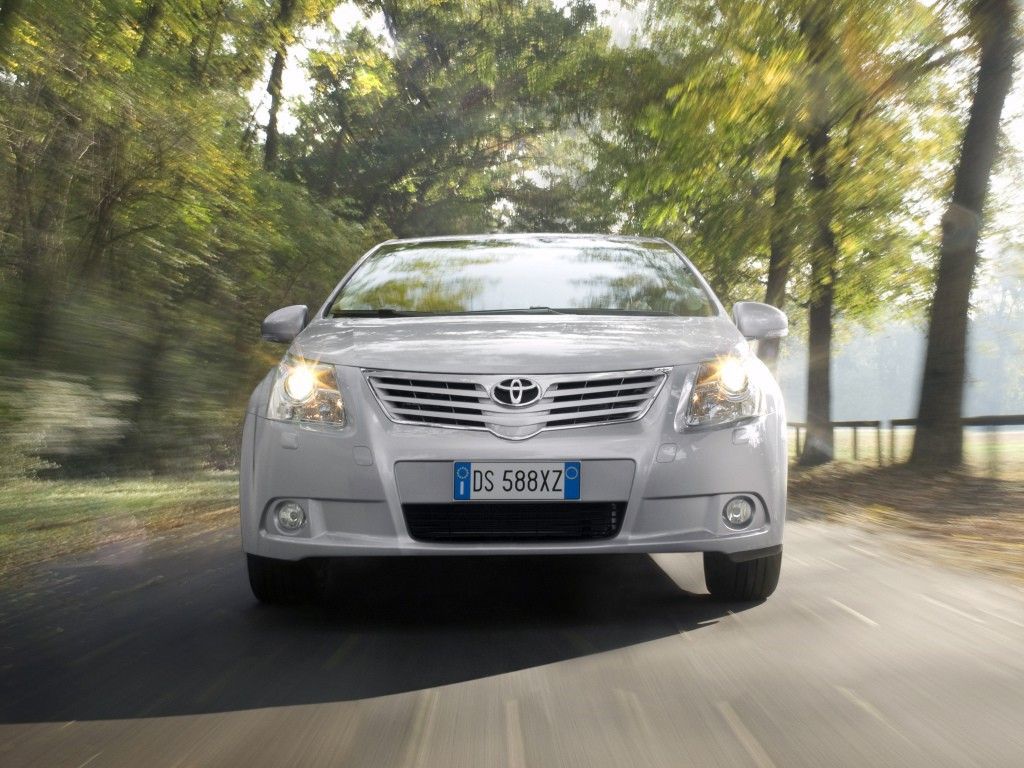
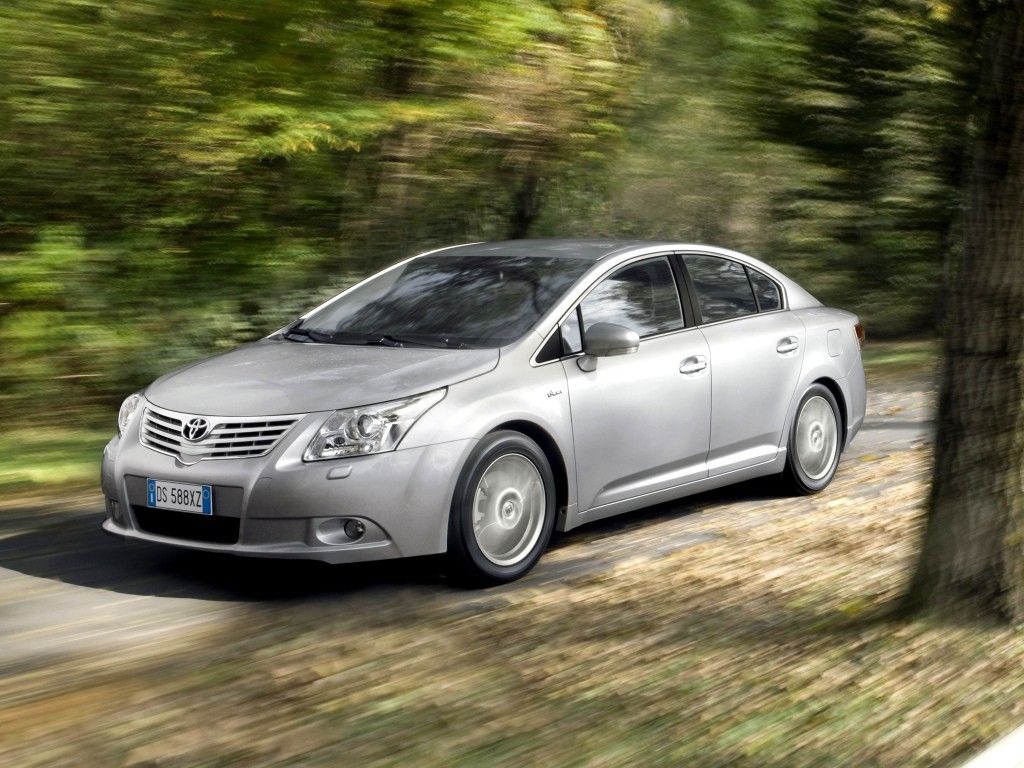
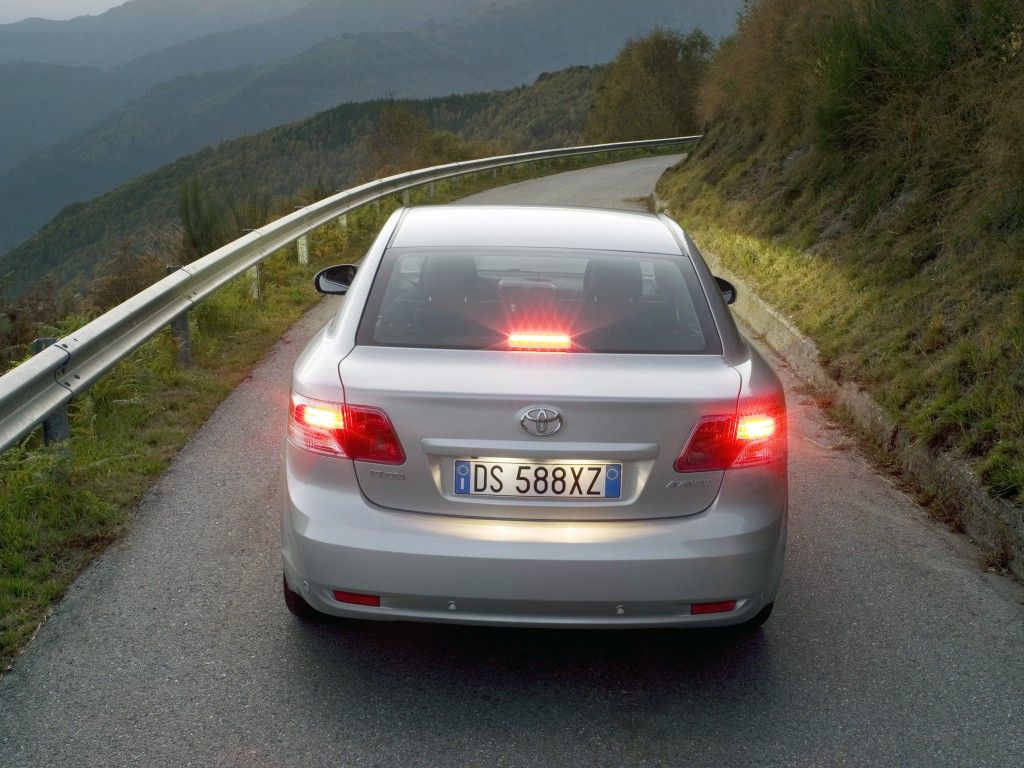
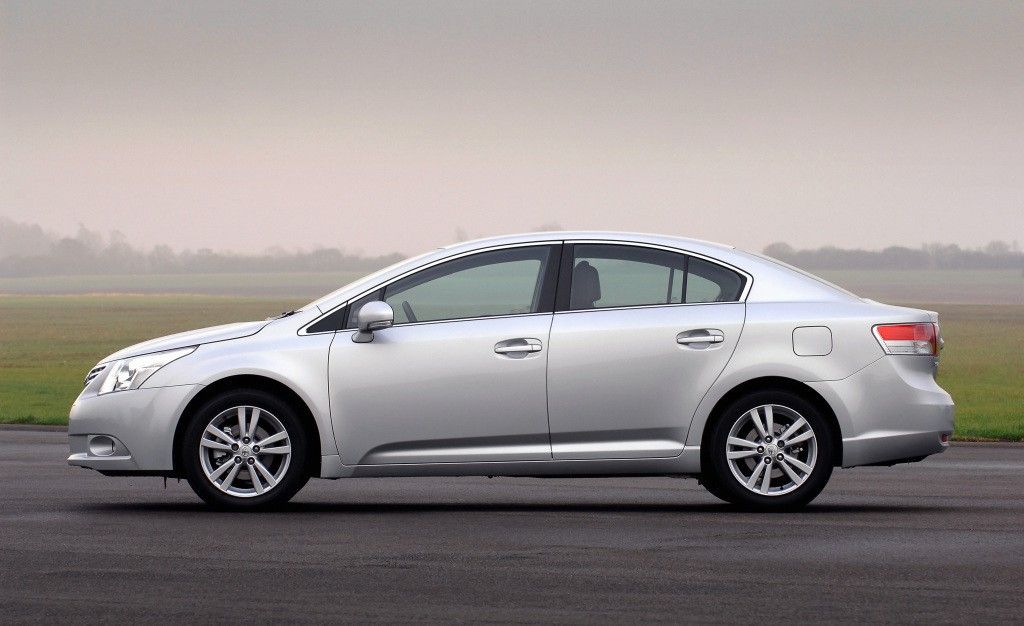
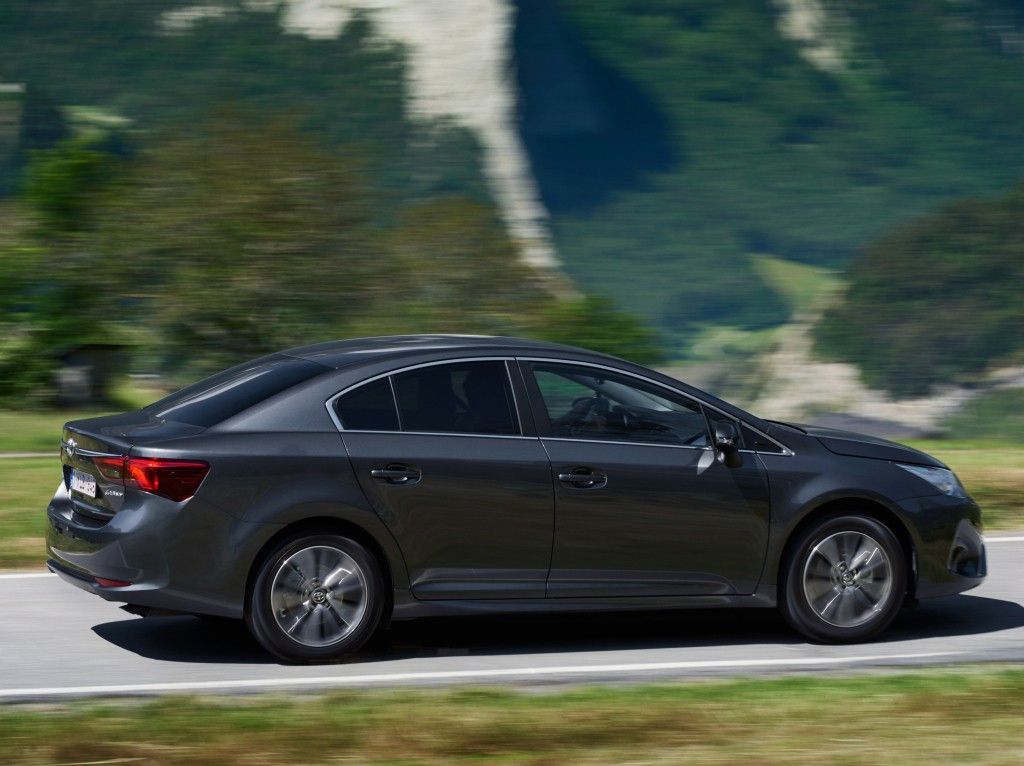
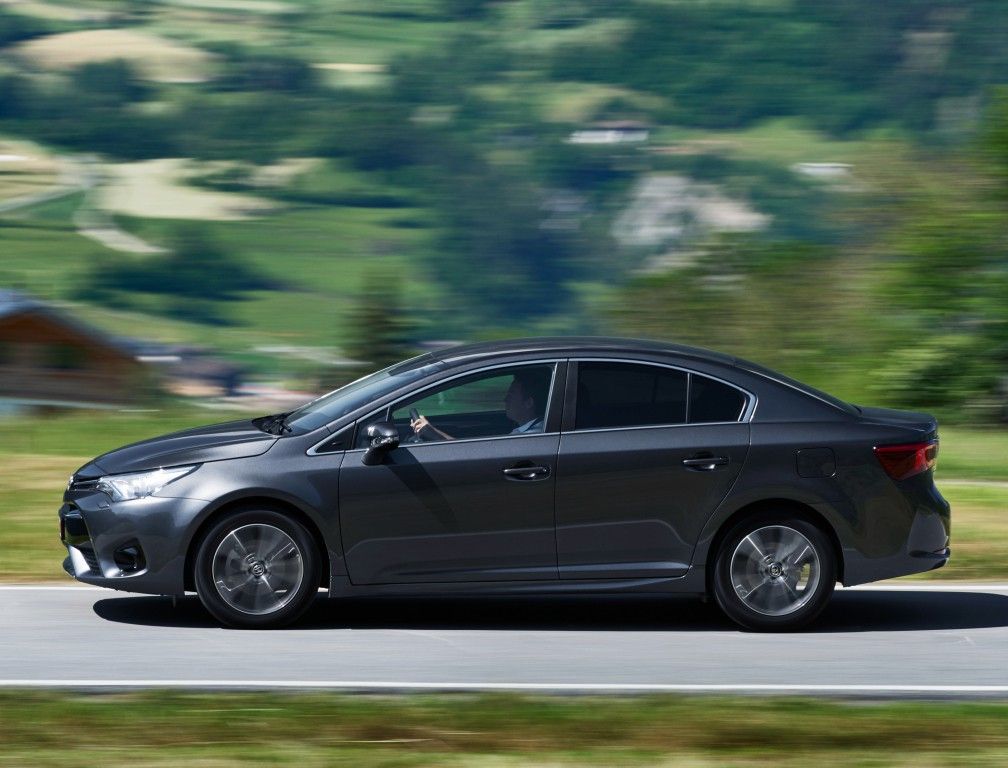
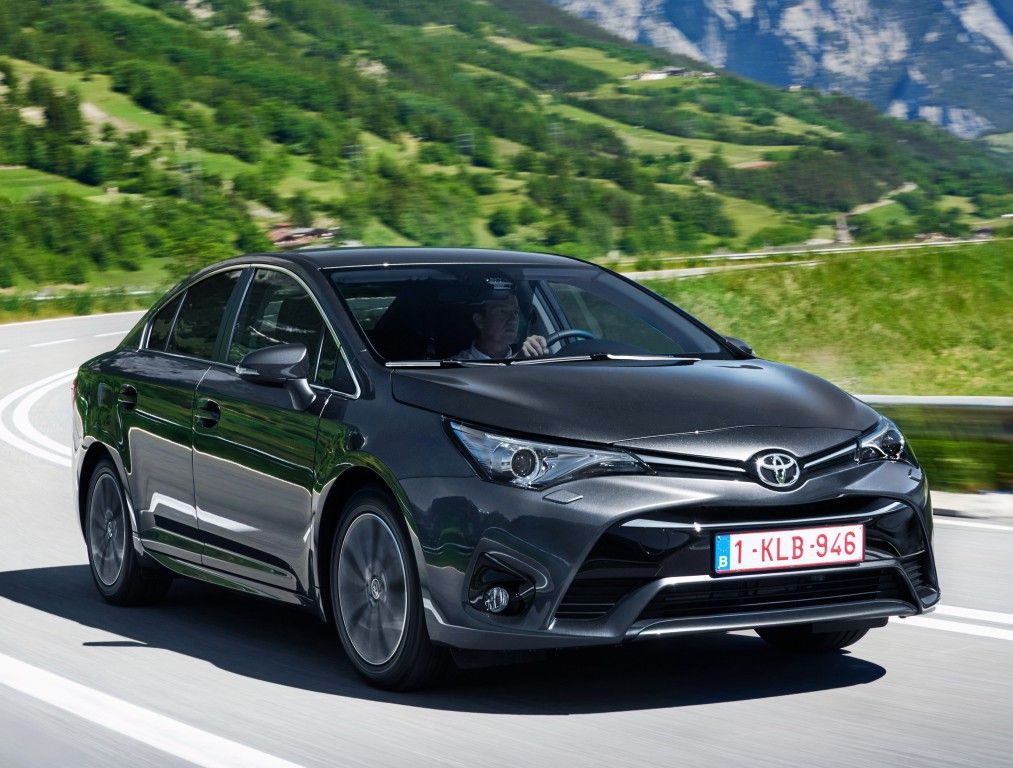
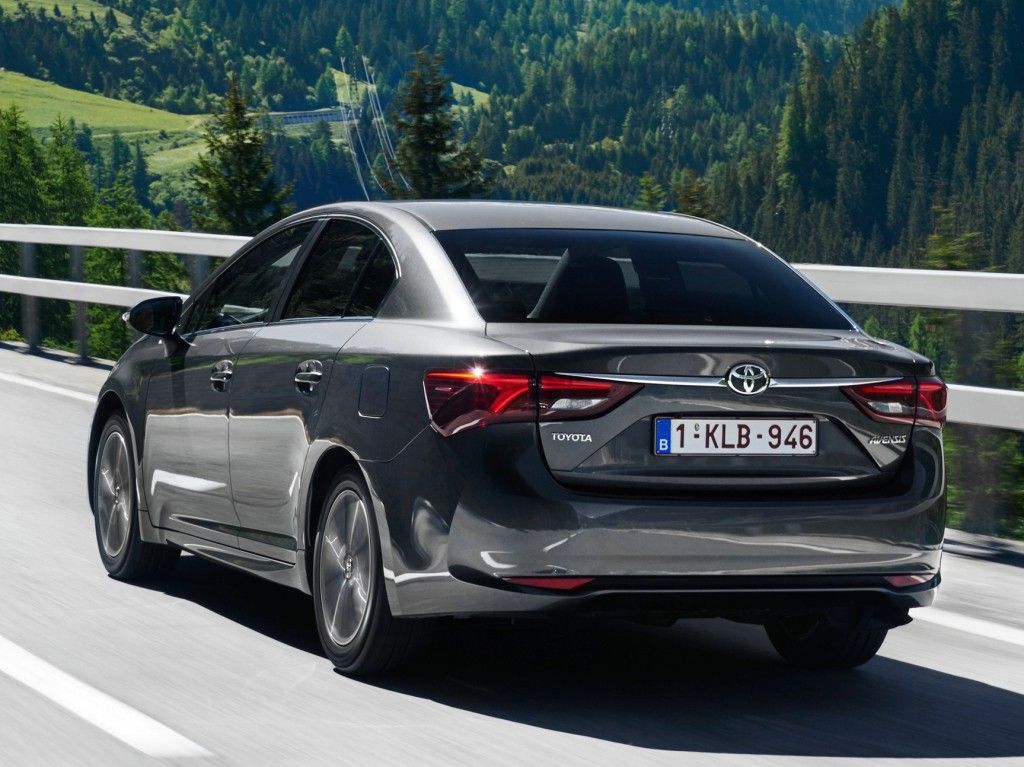
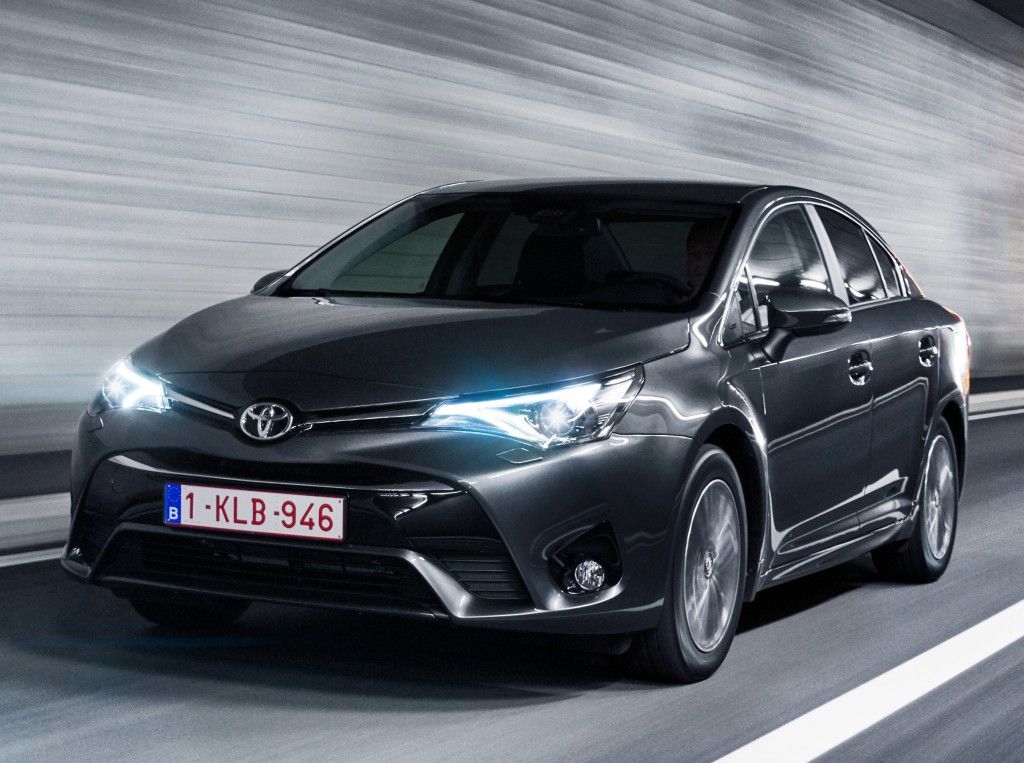
The third-generation Toyota Avensis (codenamed T270) was officially introduced at the 2008 Paris Motor Show. Just like the model it replaced, the current Avensis is built at Toyota's Burnaston plant in Derbyshire, England and made a name for itself thanks to the level of comfort offered, but it didn't quite manage to make a statement in the battle against the Ford Mondeo, Volkswagen Passat and Mazda6. The model was granted with two facelifts, one in 2011 and one in 2015, the latter being unveiled at the Geneva Motor Show.
PROS & CONS
Pros
Strong Points
- Comfortable
- Sturdy Build
- Easy To Drive
- Well Equipped On Higher Grades
- Plenty Of Room Inside
Recommended Versions
- 1.6 D-4D
- 2.0 D-4D
- 2.0 D-4D
Cons
Weak Points
- Conservative Interior
- Boring Exterior
- Detached Driving Experience
- Poorly Equipped Entry-Level Variant
Stay Away From
- 1.8-Liter Gasoline Models
- 2.2-Liter Diesel Versions
- Cvt Gearbox, Which Is Not As Smooth And Efficient As It Should Be
Attention
Known Problems & Recalls
- – Seat Belts And Airbags Are An Issue On Some Models
- – Some Users Reported Engine Problems
- – Toyota's Massive Recall Campaigns Affected The Avensis As Well
CAR DETAILS
Drive
Powertrain
After the facelift was introduced, the biggest novelty in the engine department is the new 1.6-liter D-4D diesel engine, capable of delivering 111 HP and 270 Nm. The unit is available with a six-speed manual transmission and allows the Avensis facelift to sprint from 0 to 62 mph (100 km/h) in 11.4 second. The new 2.0-liter D-4D engine and its 141 HP represent another addition to the engine line-up. Also, the unit is compliant with the Euro 6 emission policy. In addition, the 1.6-liter, 1.8-liter and 2.0-liter gas engines have been upgraded for better efficiency.
Handling
Nothing new here, as the Avensis retains its comfort on the motorway, but it still lacks the proper attitude on curvy roads. That's mainly due to the steering, too soft, imprecise and unresponsive at times. Body roll also has a word to say on the overall dynamic performance, which is way behind of what rivals like the Ford Mondeo or VW Passat have to offer.
Safety
Just like the generation it replaces, the third-gen Toyota Auris (facelift included) managed to pick-up a five-star rating at the Euro NCAP crash tests. Adult occupant protection was rated at 93%, while child occupant protection received an 85% rating. In addition, every Avensis comes with seven airbags (including the kneebag for the driver) but also with a suite of features like automatic emergency braking, hill-start assistance, electronic stability control and tire-pressure sensors. As you go up the trim level ladder, the Avensis can be fitted with lane departure warning and automatic high beam systems.
Interior
Comfort
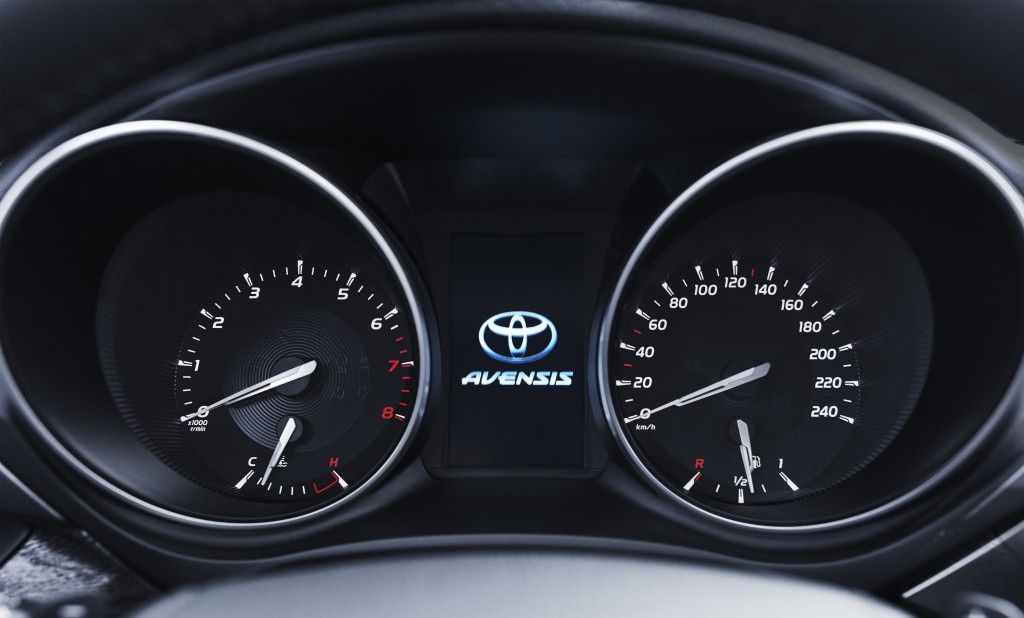
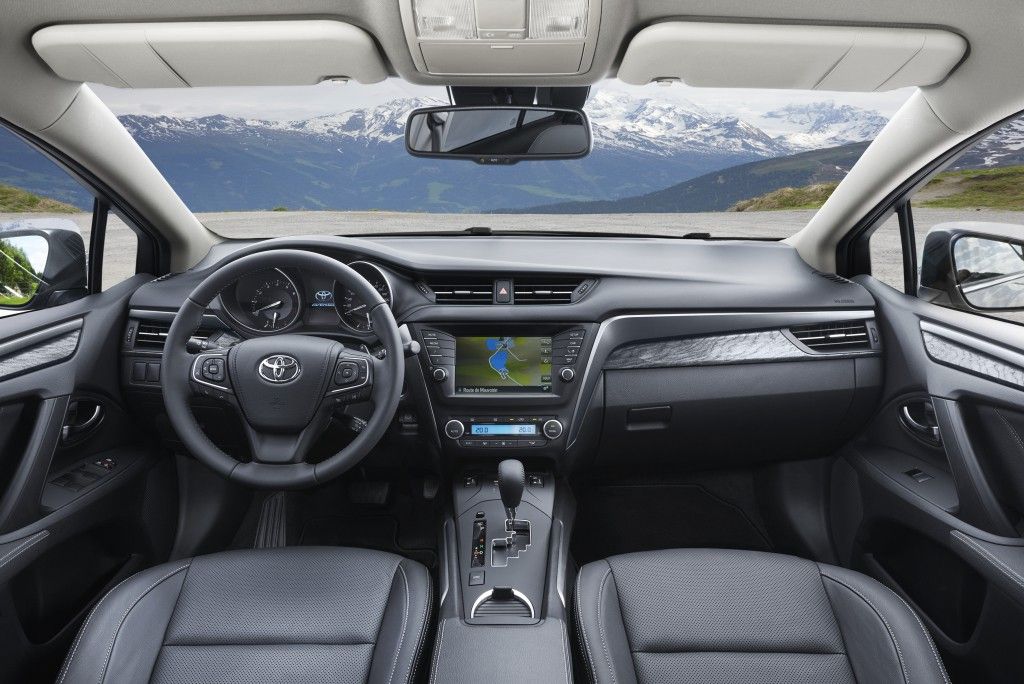
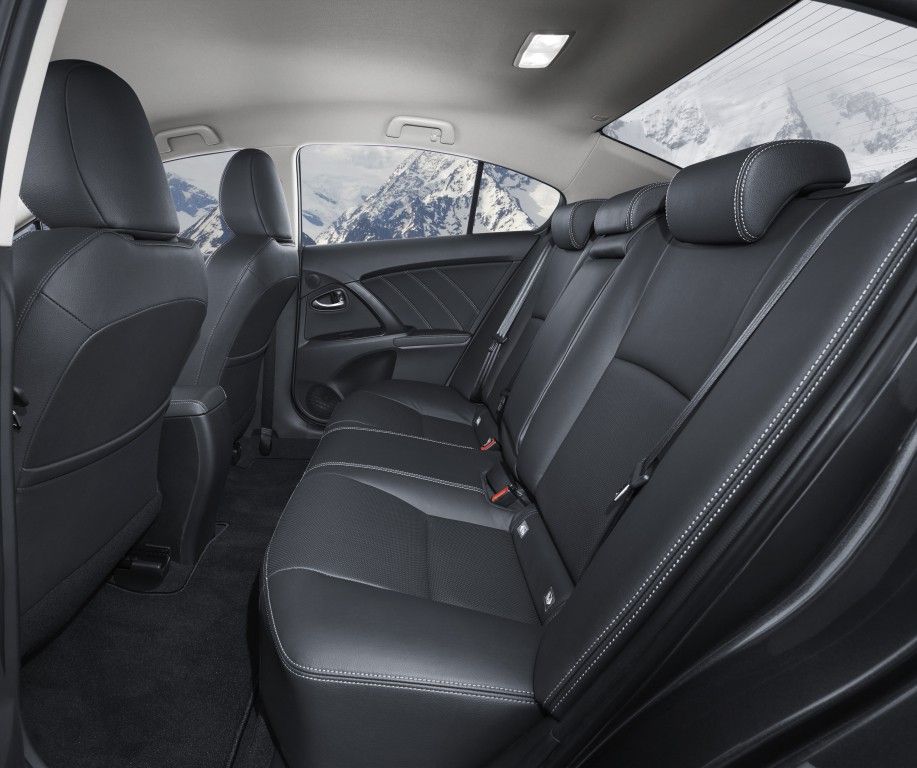
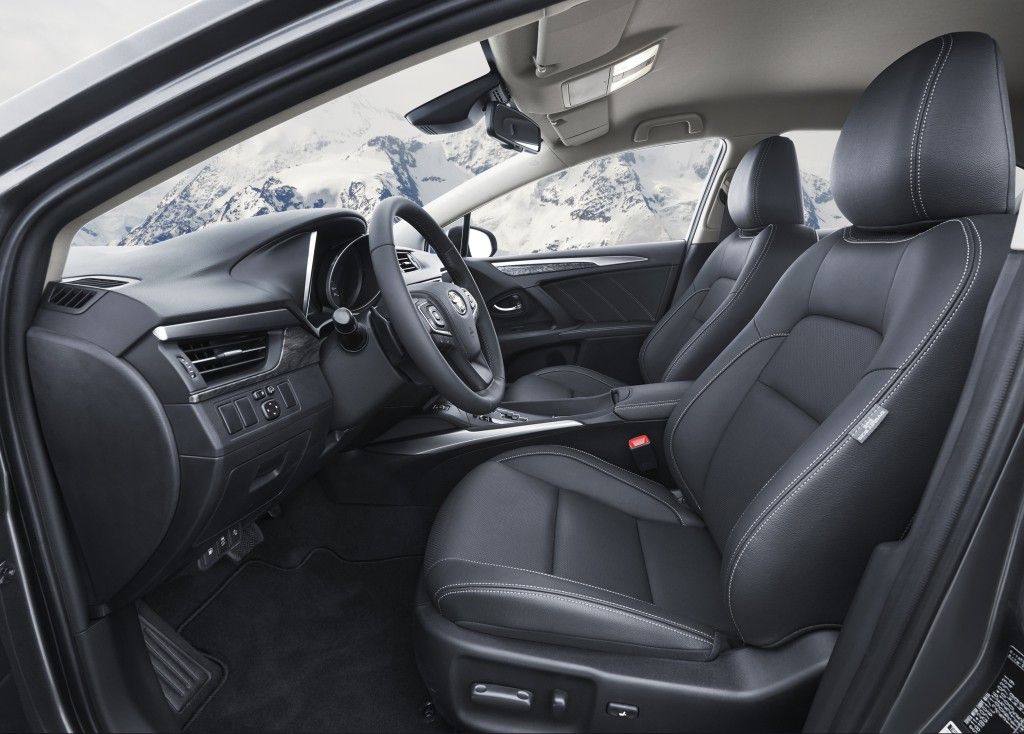
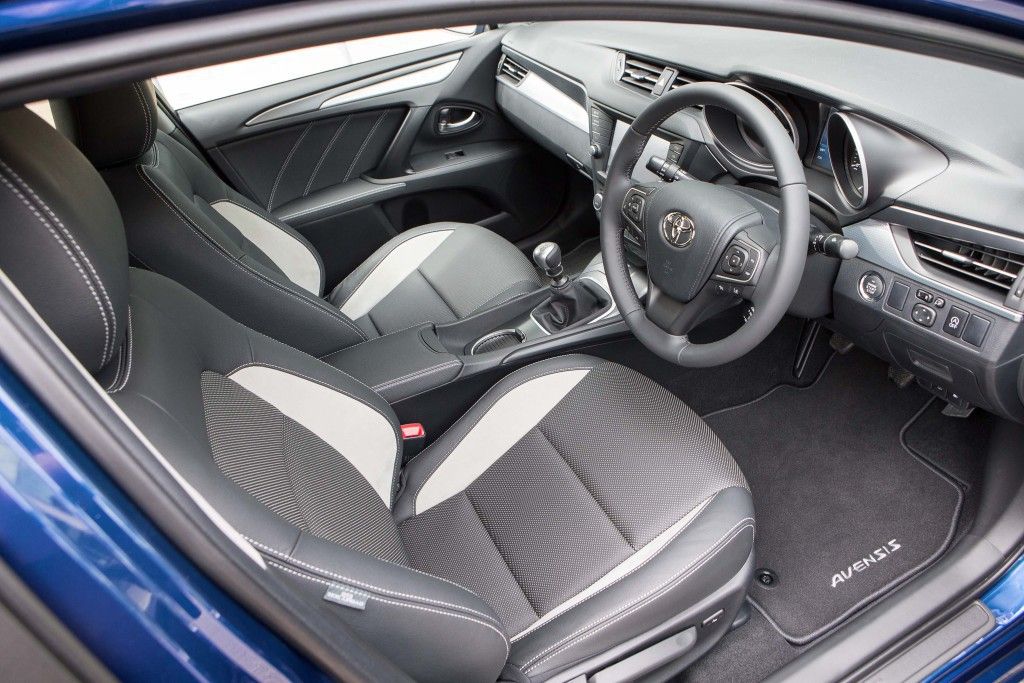
Inside the Avensis, comfort is again the name of the game. Front and rear seats are gentle with the back, while the soft suspension does a good job in absorbing shocks. The dashboard keeps things rather traditional and simple, with straightforward design and classic gauges. Some switches feel a bit too tough, just like some plastic areas are below par as far as quality is concerned, but regardless of the trim leather, you'll get a leather-wrapped steering wheel.
Quality
Sturdy build quality is a feature the third-generation Avensis inherited from its predecessors. It is not the most refined sedan out there, but it keeps noise to a minimum around town. However, if you push the engines a bit further, noise becomes perceptible in the cabin. On the highway, wind noise stays within low limits but at times, rough patches of asphalt may force the suspension to react in a noisy manner.
Practicality
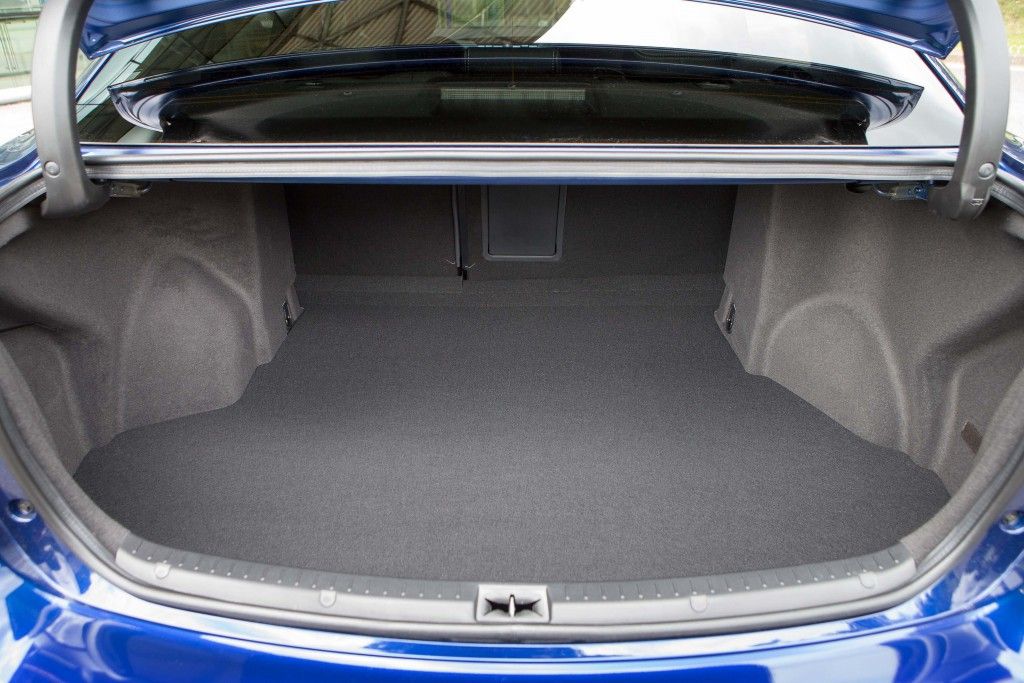
The first good thing is the amount of visibility you get in the Avensis, both as a driver and as a passenger. Furthermore, rear headroom and legroom comes in decent amounts, which makes the Avensis a good companion for long trips. Also, those sitting inside get a fair amount of cubbyholes, pockets, storage areas and so on, while boot space offers 509 liters of cargo space. The boot opening however is not that large, so it may succumb to large objects. Once the reclining and 60:40 split-folding rear seats are down, luggage room goes up to 1,320 liters.
Infotainment
Infotainment is a well-represented aspect inside the Toyota Avensis, but only if you select higher trim levels. The navigation system does a good job but it is positioned a bit too low so you'll have to take your eyes off the road to check the map on the eight-inch touchscreen introduced by the 2015 facelift. Graphics are good, but there's some lag as you browse through the menus.
Budget
Efficiency
The best piece of advice you can get here is to go for a diesel on your Toyota Avensis if you're looking for fuel economy on long journeys, but avoid the automatic if you're aiming for really low consumption rates. The 1.6-liter will offer around 68 mpg and only 109 g/km of CO2. The 2.0-liter diesel mill returns around 63 mpg and 119 g/km of CO2, while the 1.8-liter gaswill drink around 47 mpg when mated with the six-speed manual gearbox.
Equipment
Expect to only find the basics in the entry-level Toyota Avensis, namely air-conditioning, Bluetooth and lots of airbags. Go up a notch on the trim level list and you can get sat-nav, dual-zone climate control, digital radio and a rear-view camera. If that's not enough, you can choose leather and Alcantara seats, electrically adjustable and heated front seats.
Acquisition
Remember, the Toyota Avensis is not a budget car, but also keep in mind it is a well-built, very reliable vehicle. Again, stay away from the CVT gearbox and stick to the manual transmission. In conclusion, the Toyota Avensis is not the best sedan on the market, nor the most apt family car or the most economical, but its strong points are safety, comfort and practicality.