


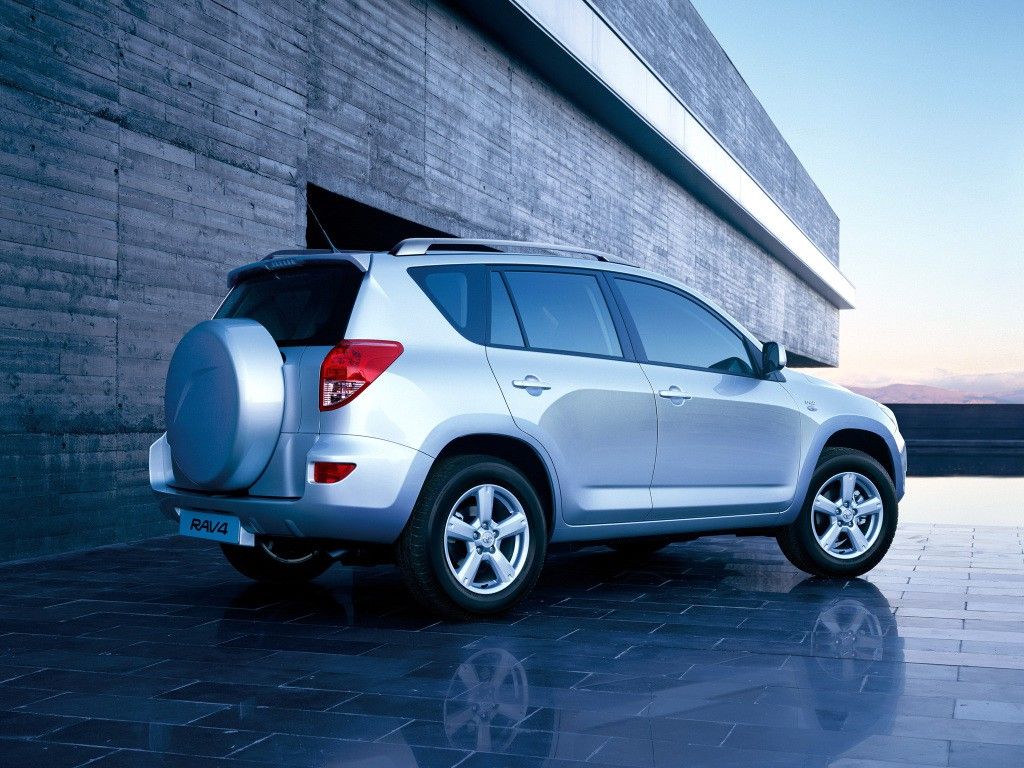
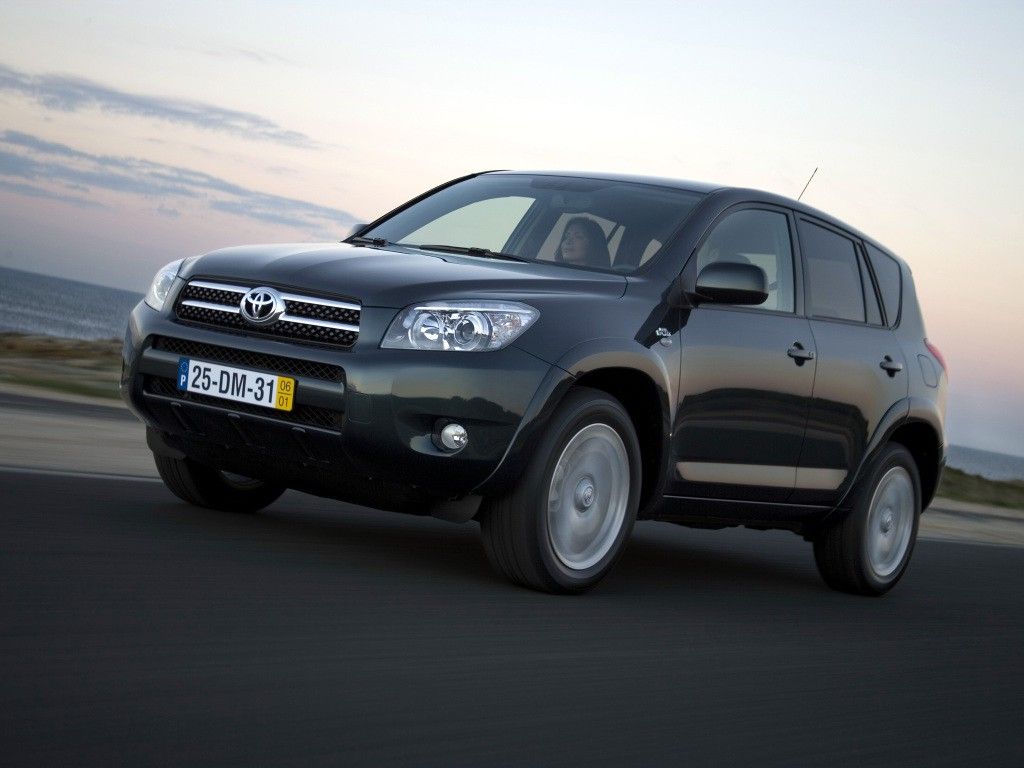
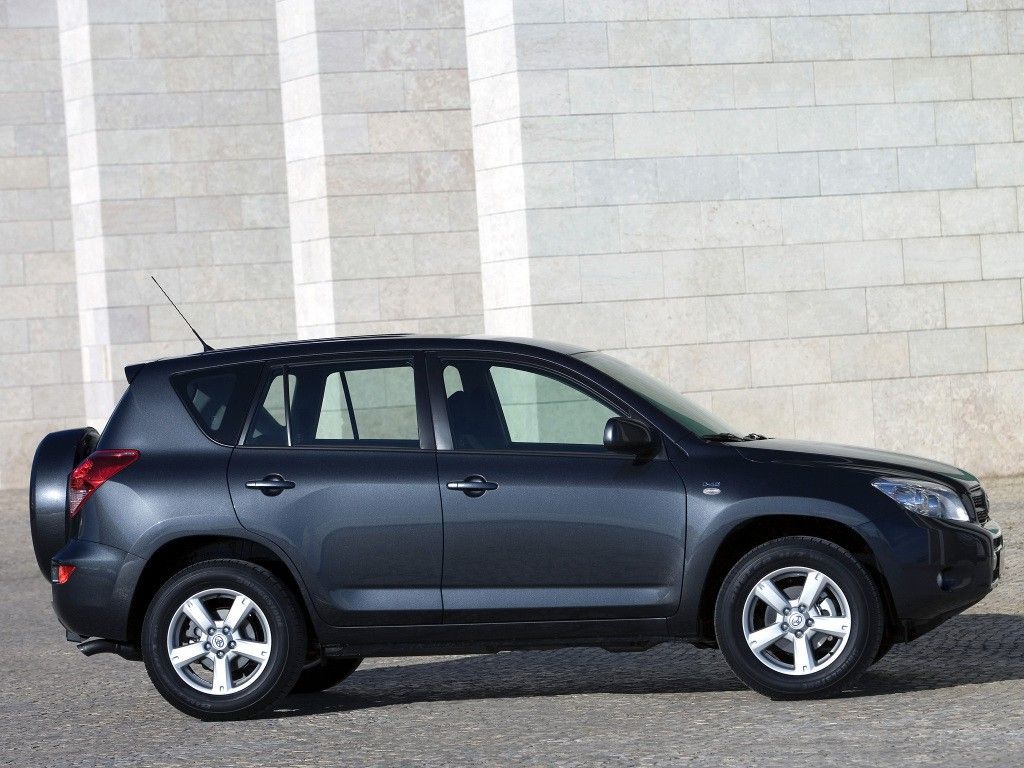
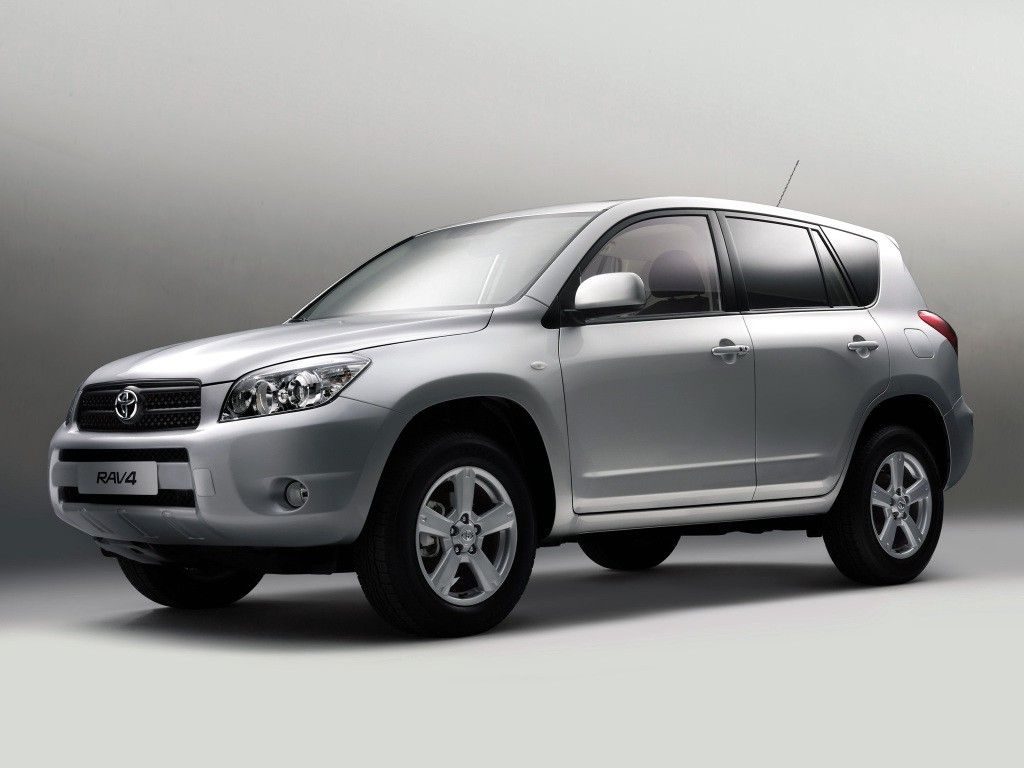

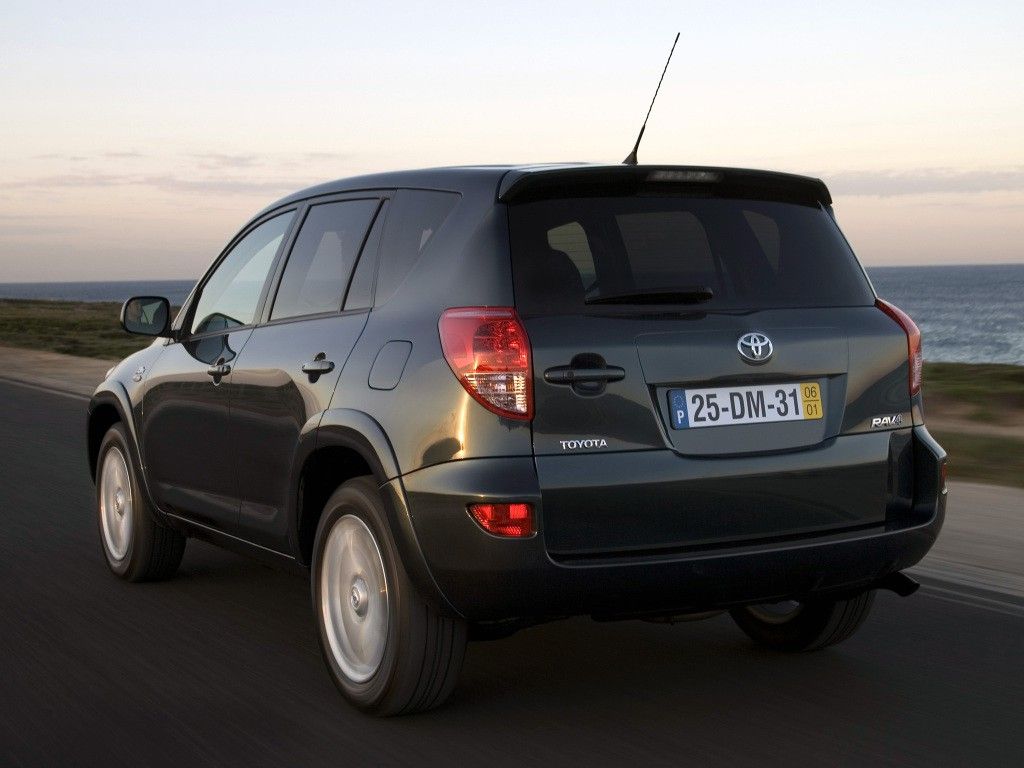
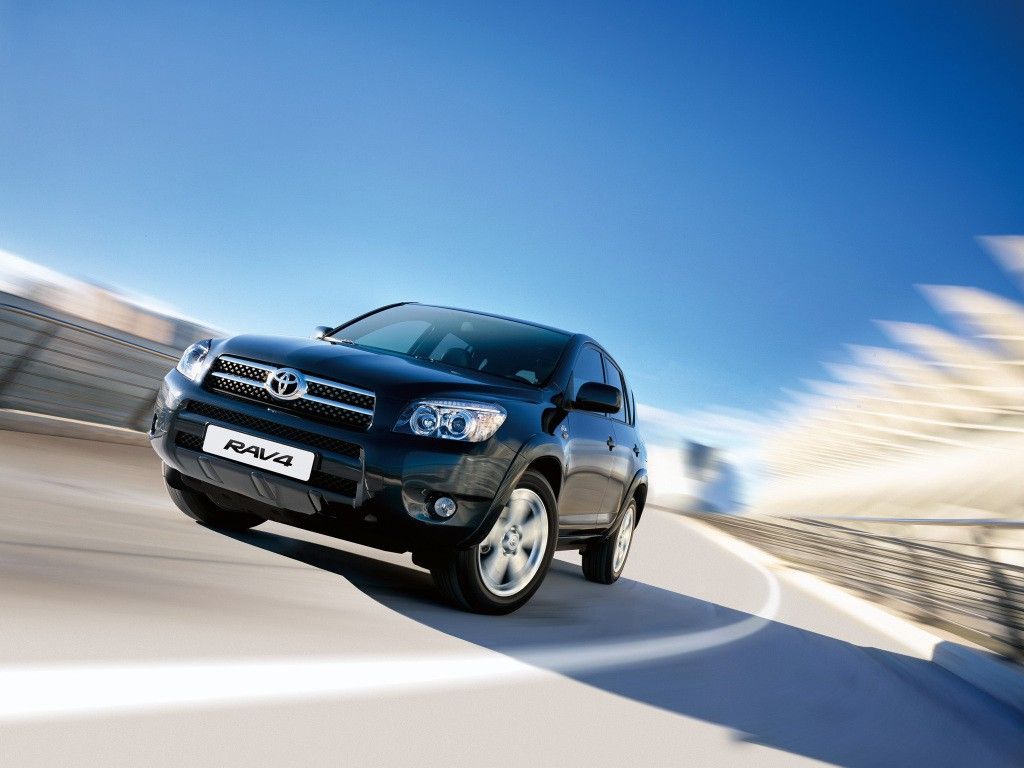
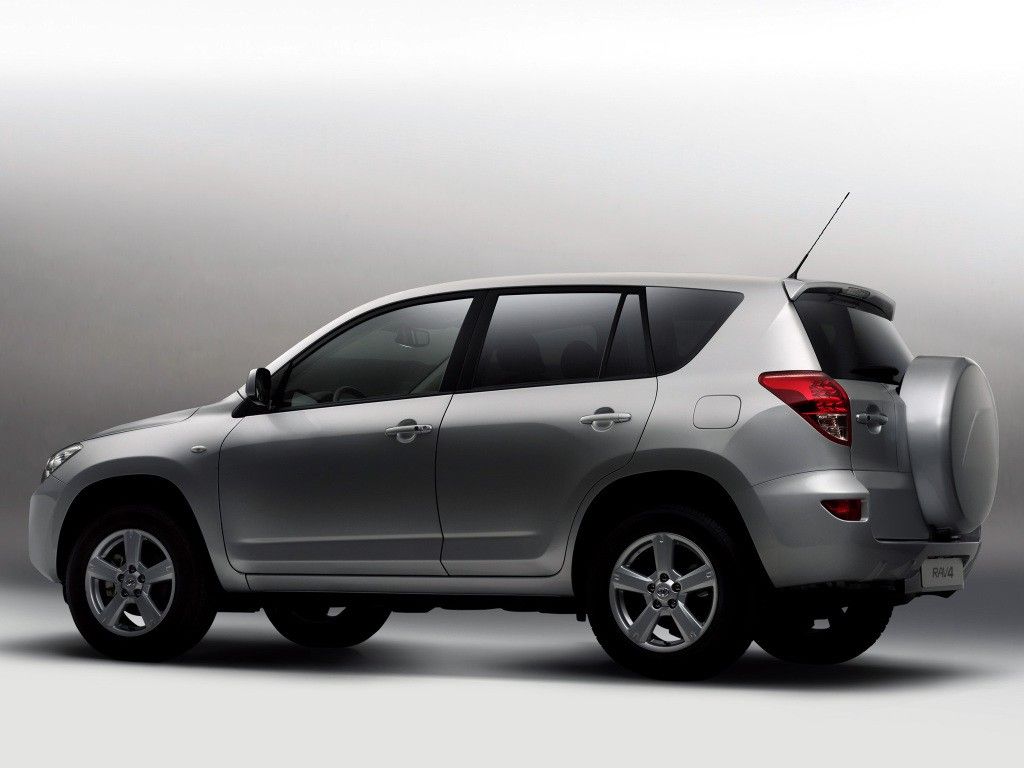
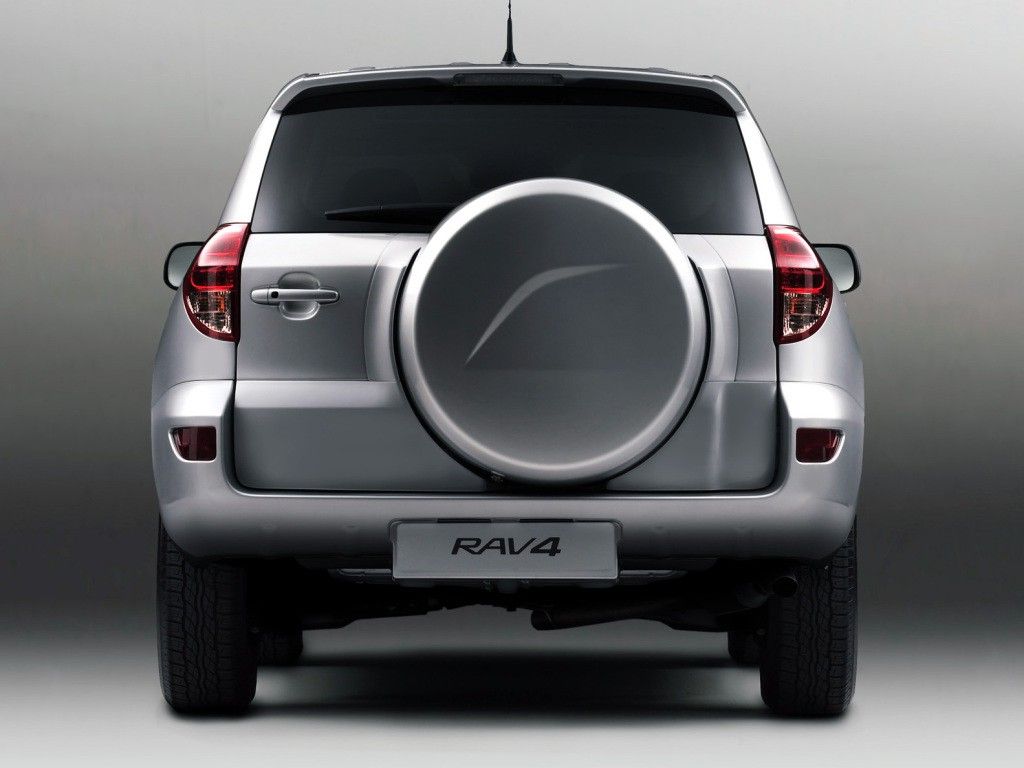
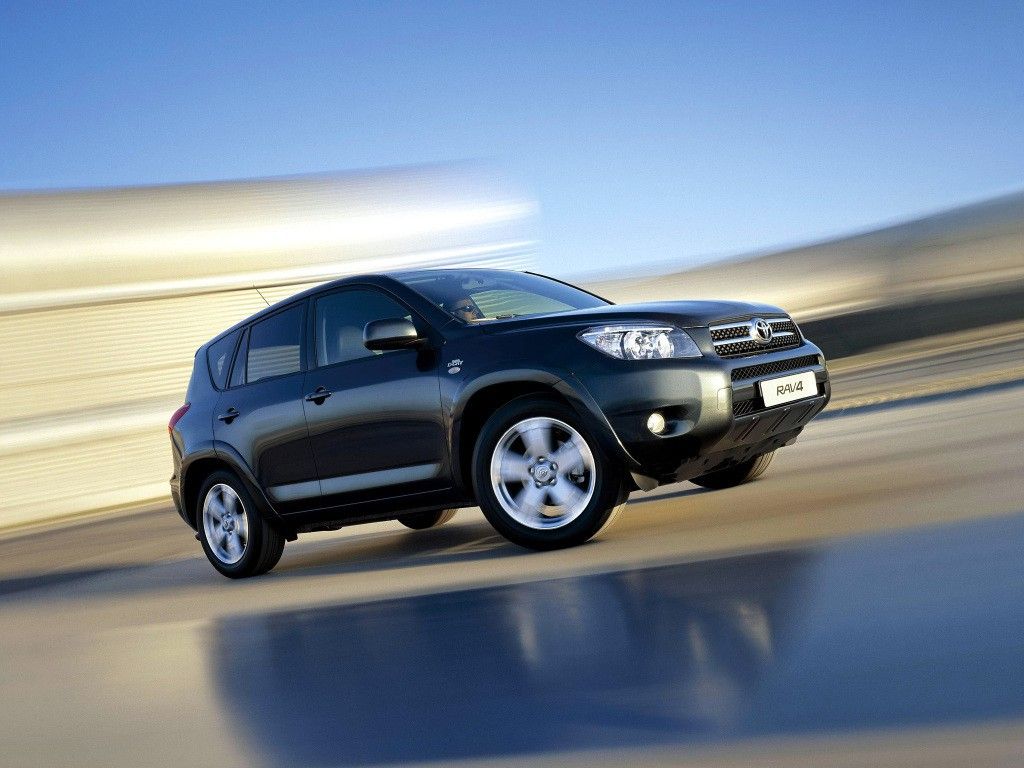
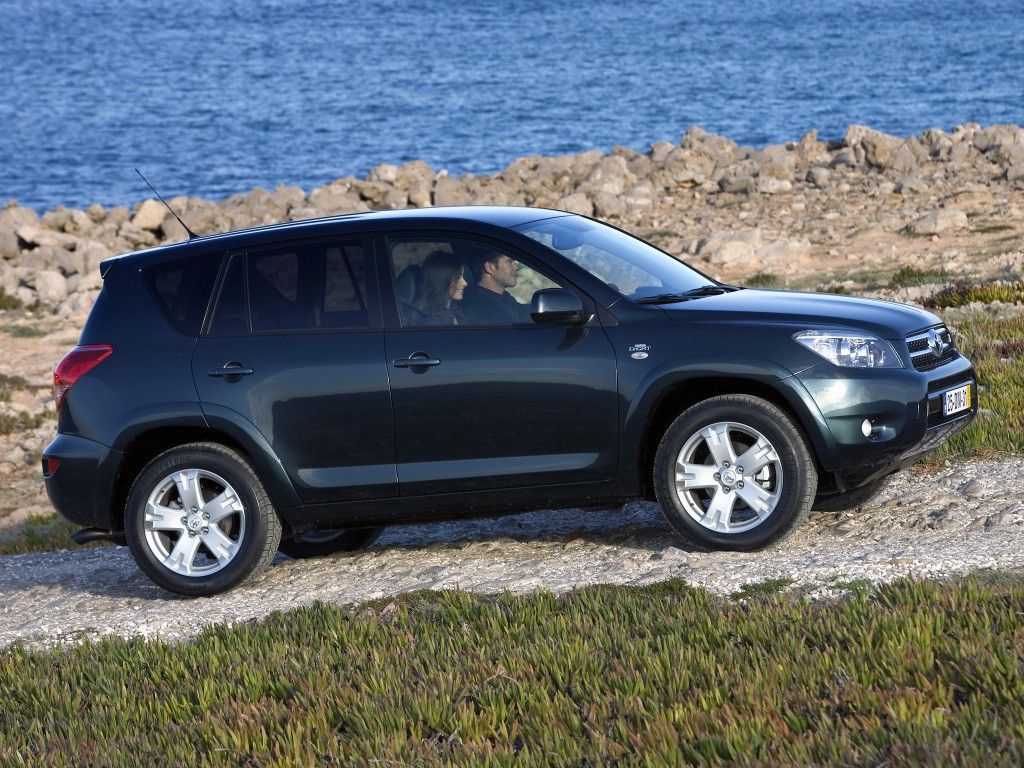

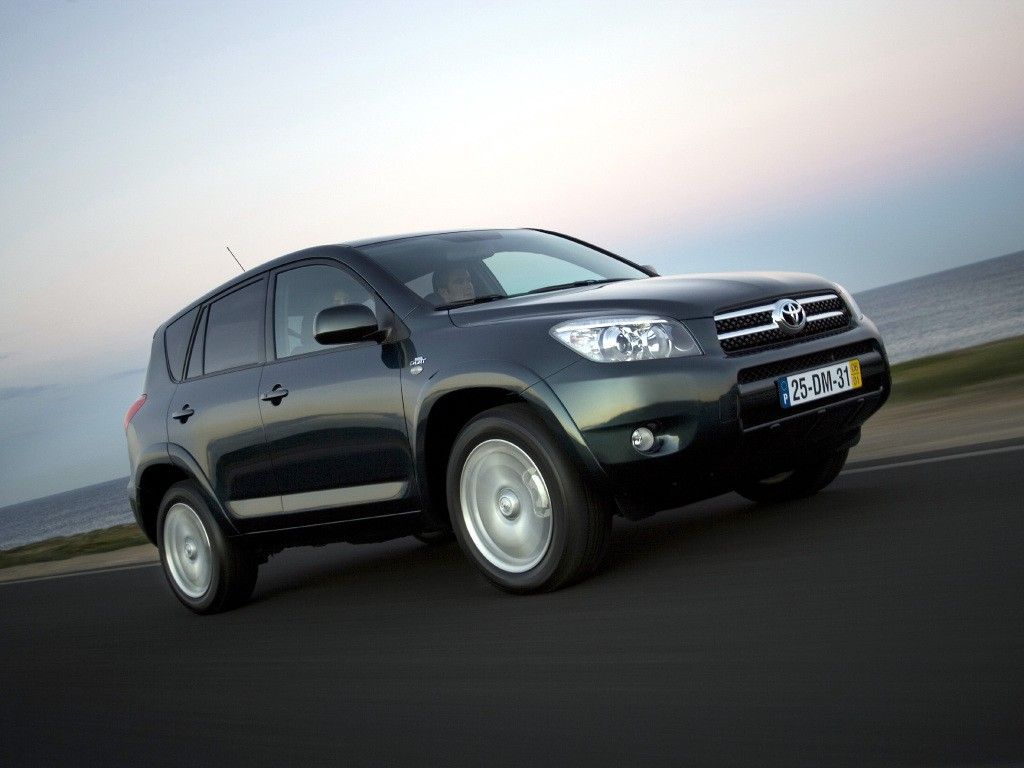
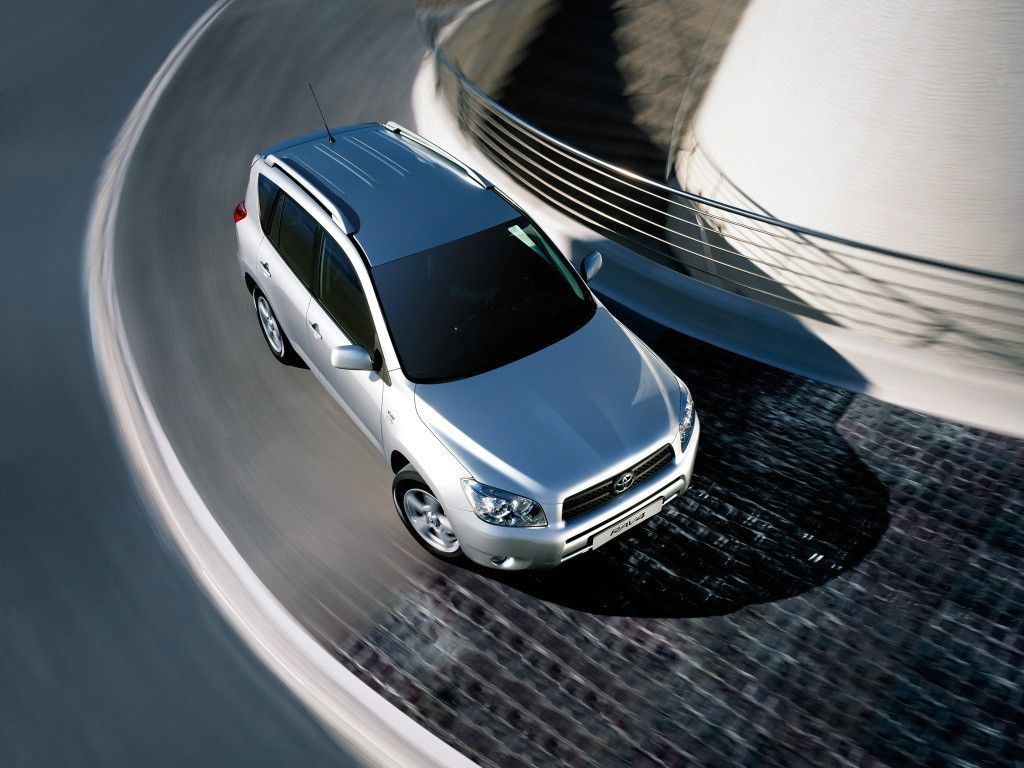
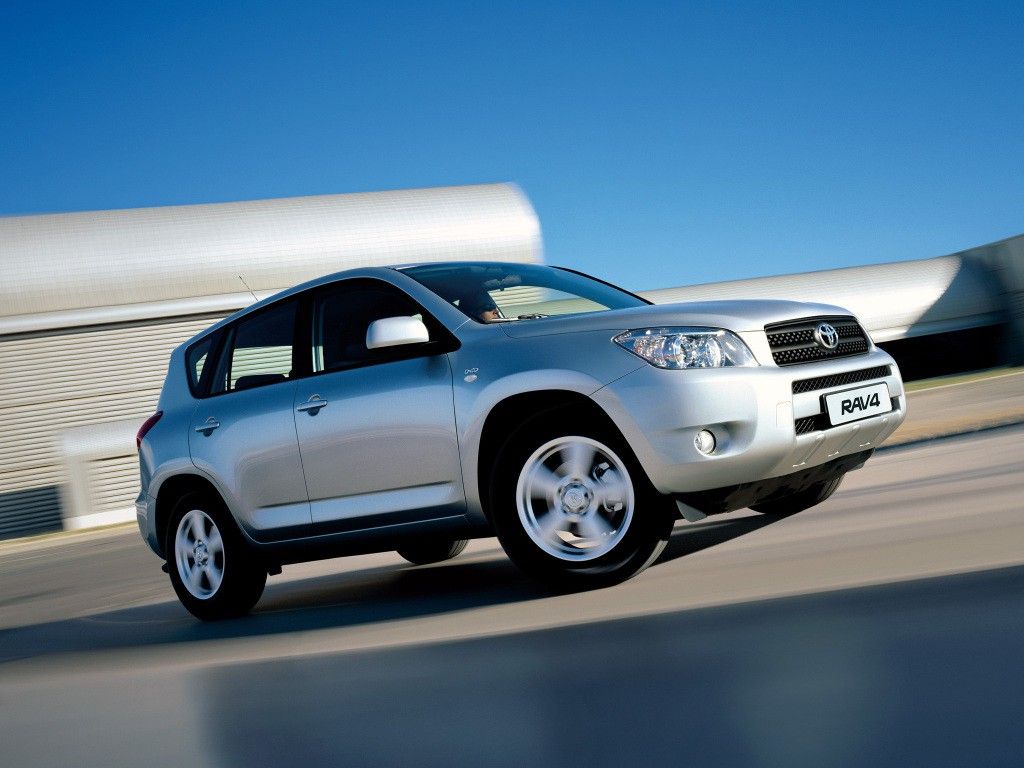
The third-generation Toyota RAV4 (codenamed XA30) became available in 2006 and offered a completely redesigned body as well as a new platform and EPS (electronic power steering). The model was offered in two variants – with either short or long wheelbase – and was the first RAV4 to drop the spare wheel from the tailgate. A comprehensive facelift followed in 2008, when the RAV4 was rewarded with a new four-cylinder engine and a refreshed exterior design. Another revision was operated in 2011, but it only came with minor changes.
PROS & CONS
Pros
Strong Points
- Pleasant Ride
- Good Off-Road Choice
- Reliable
- Cheap To Maintain
- Capable Diesel Engines
Recommended Versions
- 2.2 D-4D T140 Xt-R
Cons
Weak Points
- Noisy Petrol Engines
- Modest Engine Lineup
- Side-Hinged Door
Stay Away From
- 2.0 Vvt-I Xt-5
- The Automatic Gearbox
Attention
Known Problems & Recalls
- – On Some Occasions, The Run-Flat Tires Can Lose Air Over Time, Despite Now Being Punctured Or Damaged
- – Steering Problems Are The Most Frequent, Due To A Clunking Noise Which Appears When The Steering-Wheel Is Turned, Coupled With Loss Of Power Steering
- – Some Isolated Cases Were Recorded When The Engine Blew Up, But The Issue Is Rather Rare
CAR DETAILS
Drive
Powertrain
Toyota only saw fit to offer the third-generation RAV4 with one gasoline and one diesel engine, so there’s not much to choose from this regard. Therefore, you’ll have to settle for the 2.0-liter petrol engine good for 150 HP or the 2.2-liter D-4D diesel mill offered in two flavors: with 134 HP or 175 HP. However, the diesels are way more smooth and refined than the petrol unit, not to mention frugal. Toyota offers a manual gearbox and an automatic one, but since the first option does a neat job, it should really top your list. Opt for the automatic only if your commute means wandering a lot in heavy traffic around the city.
Handling
This is one of the main advantages of the Toyota RAV4. Just as the model it replaces, the third-gem RAV4 handles like a hatchback and the lack of body roll is truly impressive considering we’re talking about an SUV. Couple that with the submissive behavior on curly roads plus the precise steering and you’ll get a both nippy and comfortable cruise. Not to mention the trio which combines the all-wheel drive system with the stability and traction control system, an innovation at that time.
Safety
Unlike its predecessor, the third-generation Toyota RAV4 went through the Euro NCAP crash tests where it received four out of five stars for adult occupant protection, four out of five stars for child occupant protection and three out of four stars for pedestrian protection. Every RAV4 comes with at least nine airbags (including side and curtain ones), plus an air cushion for the driver’s knee.
Interior
Comfort
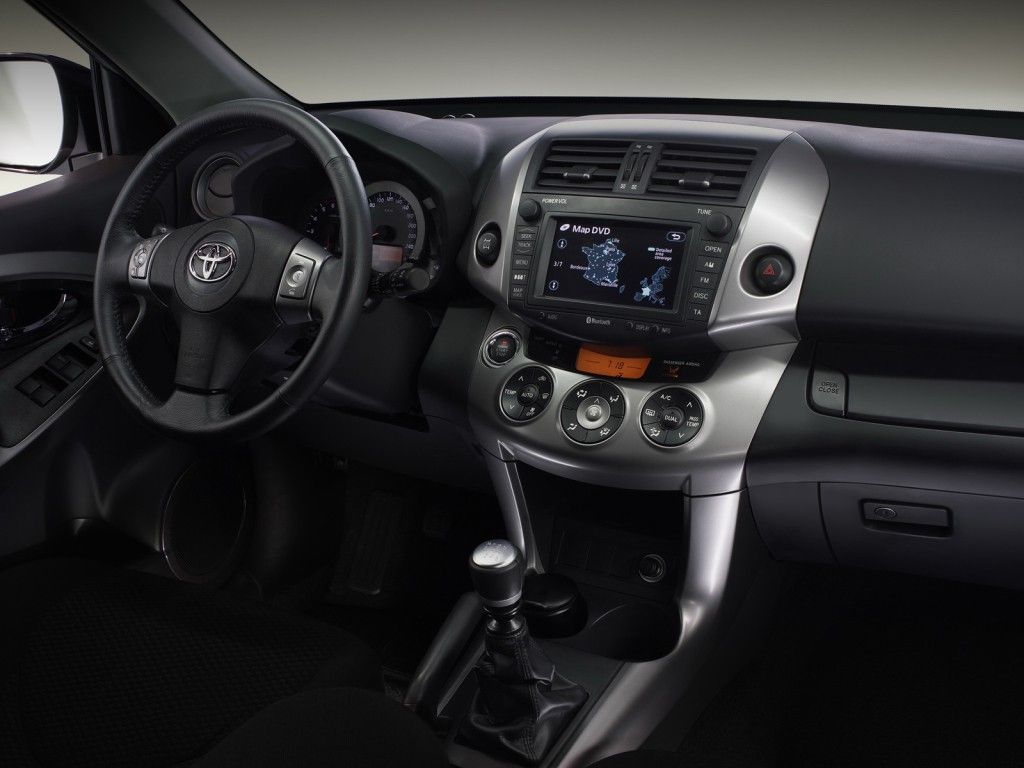
This is another strong point for the third-generation Toyota RAV4, as the SUV keeps passengers well isolated from exterior noise and makes their lives easier thanks to the front seats with good back support and plenty of legroom at the back. Two adults will travel in optimum comfort conditions in the back, while three might feel the need for more shoulder space. Furthermore, the high driving position means visibility in top-shelf while every button and switch is logically grouped.
Quality
One step forward compared to the second-generation RAV4 has been made regarding build quality. The previous car had plenty of that, but the third-generation Toyota RAV4 takes things to a new level. Every material looks and feels good, while also retaining good durability and resistance to wear and tear.
Practicality
Since for this generation Toyota dropped the three-door version and only kept the five-door setup, space and accessibility-related issues disappear. The rear seats can be folded down at the pull of a handle and they also offer a 60/40 split possibility. Toyota fitted the third-generation RAV4 with plenty of storage spaces inside, including a generous double glove box compartment, bottle holders and cup holders. However, the tailgate remains hinged on one side, which means manoeuvring it in tight spaces can be tricky in some cases, but the boot loading lip is rather low, allowing an easy loading and unloading process. With the rear seats up, the boot offers 410 liters of cargo space.
Infotainment
The RAV4 can be fitted with a premium sat-nav found on the optional list, but the graphics are a bit glitchy and there’s a fair share of lag from time to time when you’re trying to browse to the sections. A stereo CD system is offered as standard, along with air conditioning, but higher trim levels offer amenities like a six CD auto changer and dual-zone climate control.
Budget
Efficiency
Things are pretty clear as far as this department is concerned. The 2.0-liter gas engine might deliver 150 HP, but it’s a bit far from being economical due to its average fuel consumption figure set at 31 mpg. If frugality is what you’re looking for, then you should opt for the 2.2-liter D-4D diesel engine, introduced in 2009. This offers the same amount of power but better fuel economy, namely 49 mpg. Also, avoid the Multidrive S CVT gearbox offered by the standard four-wheels drive version, if possible.
Equipment
Unlike the model it replaces, the entry-level Toyota RAV4 comes with four-wheel drive, but the package developed by the Japanese also consists of electrically-assisted steering, power window, air-con as well as 17-inch alloy wheels. Search higher in the trim level ranking and you’ll find hill start assist, leather-wrapped steering wheel and fog lamps. It does get better than this, because the XT5 equipment level adds climate control, auto headlights and leather upholstery. Last but not least, the T180 range-topping choice combines smoked headlights, a type pressure warning system and rear privacy glass.
Acquisition
The reliability built by Toyota around their name touches the third-generation RAV4 as well, although this aspect is not flawless. Keep in mind that this is probably the most popular RAV4 generation among owners, and that’s mainly because the car is an all-rounder if you get the right mix of trim level, engine and optional equipment. This also means the car retains its value over time, so expect some models to be pricier, but rest assured you’ll get what you paid for and nothing less.