


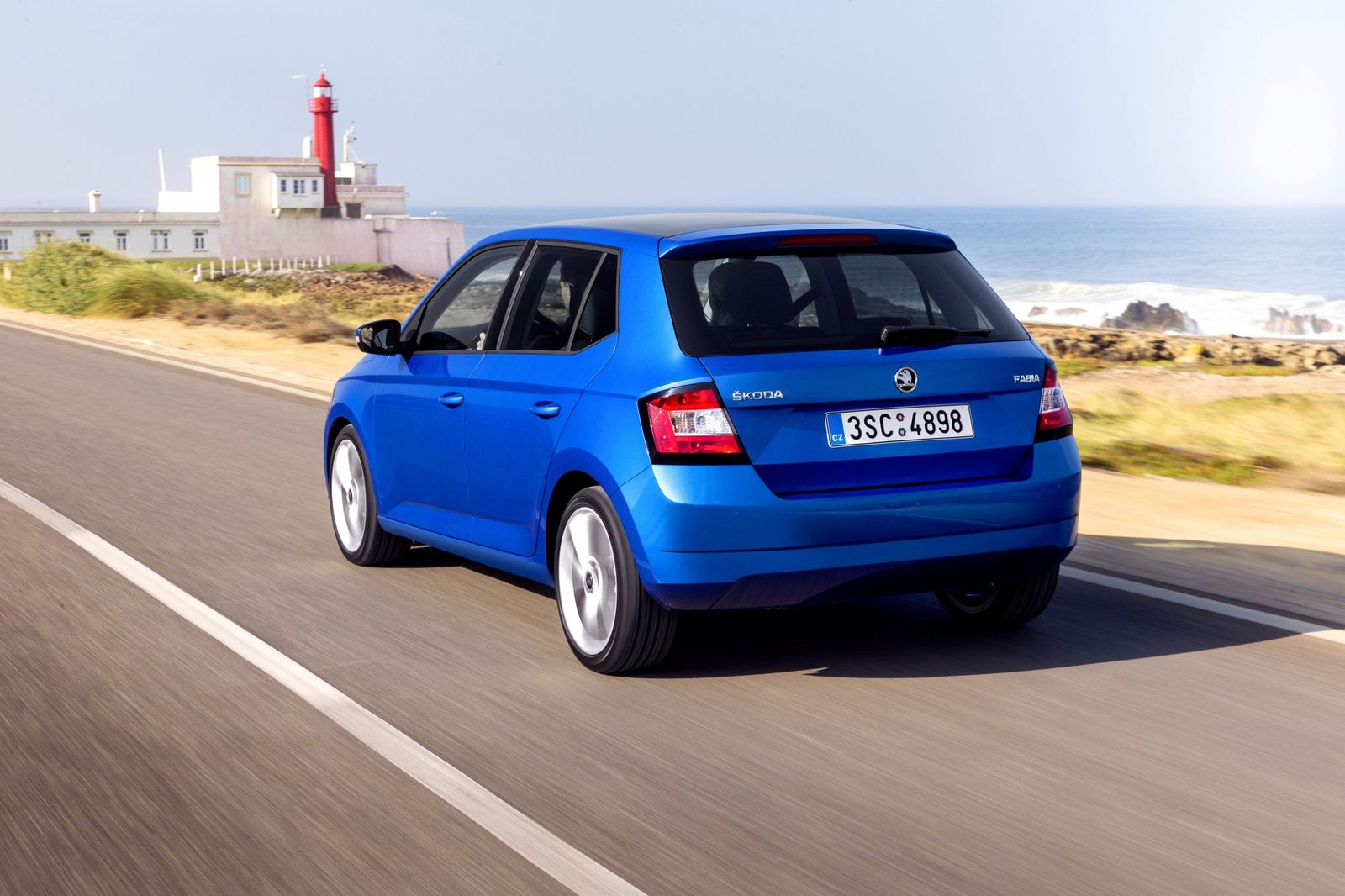
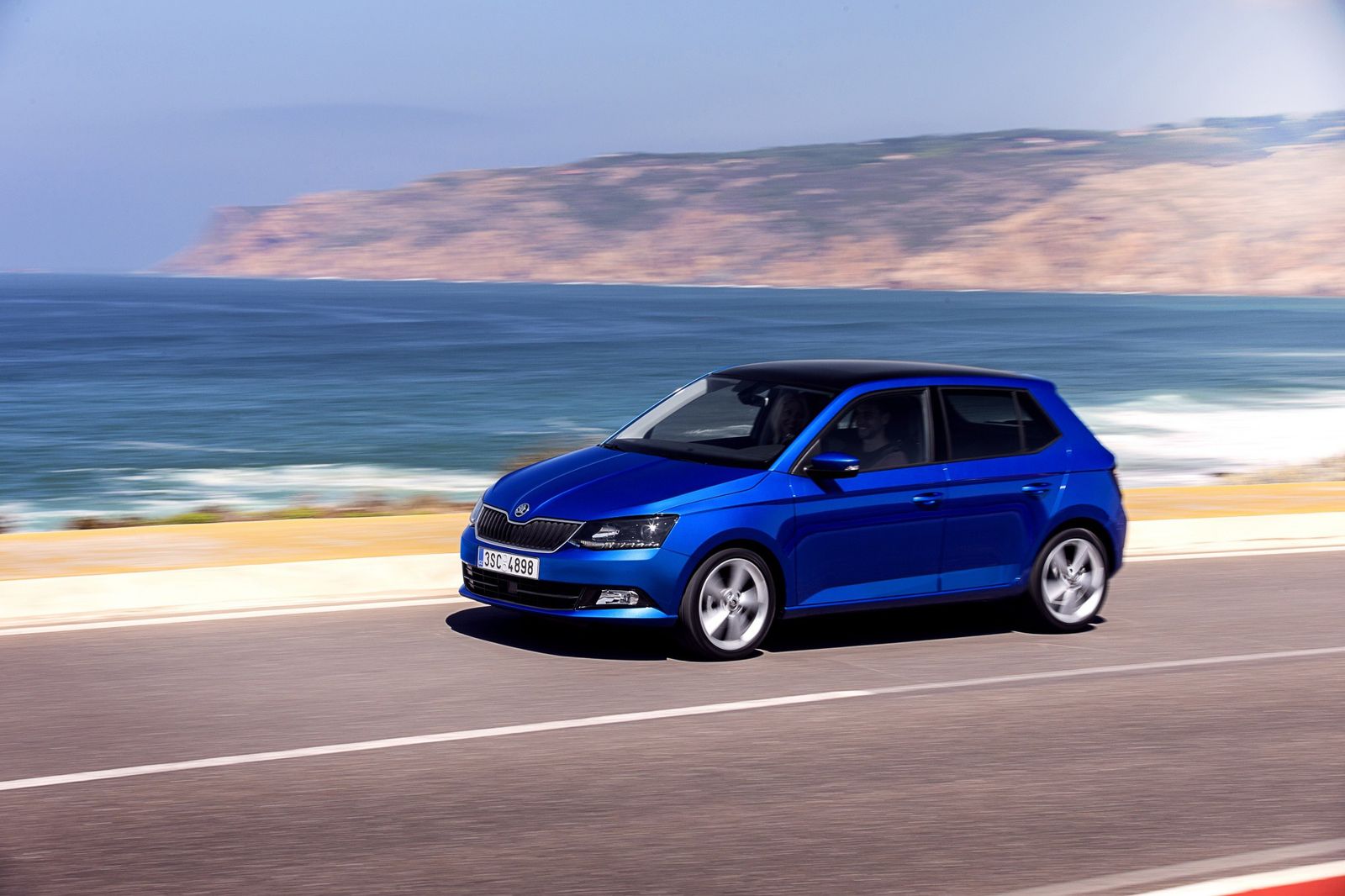
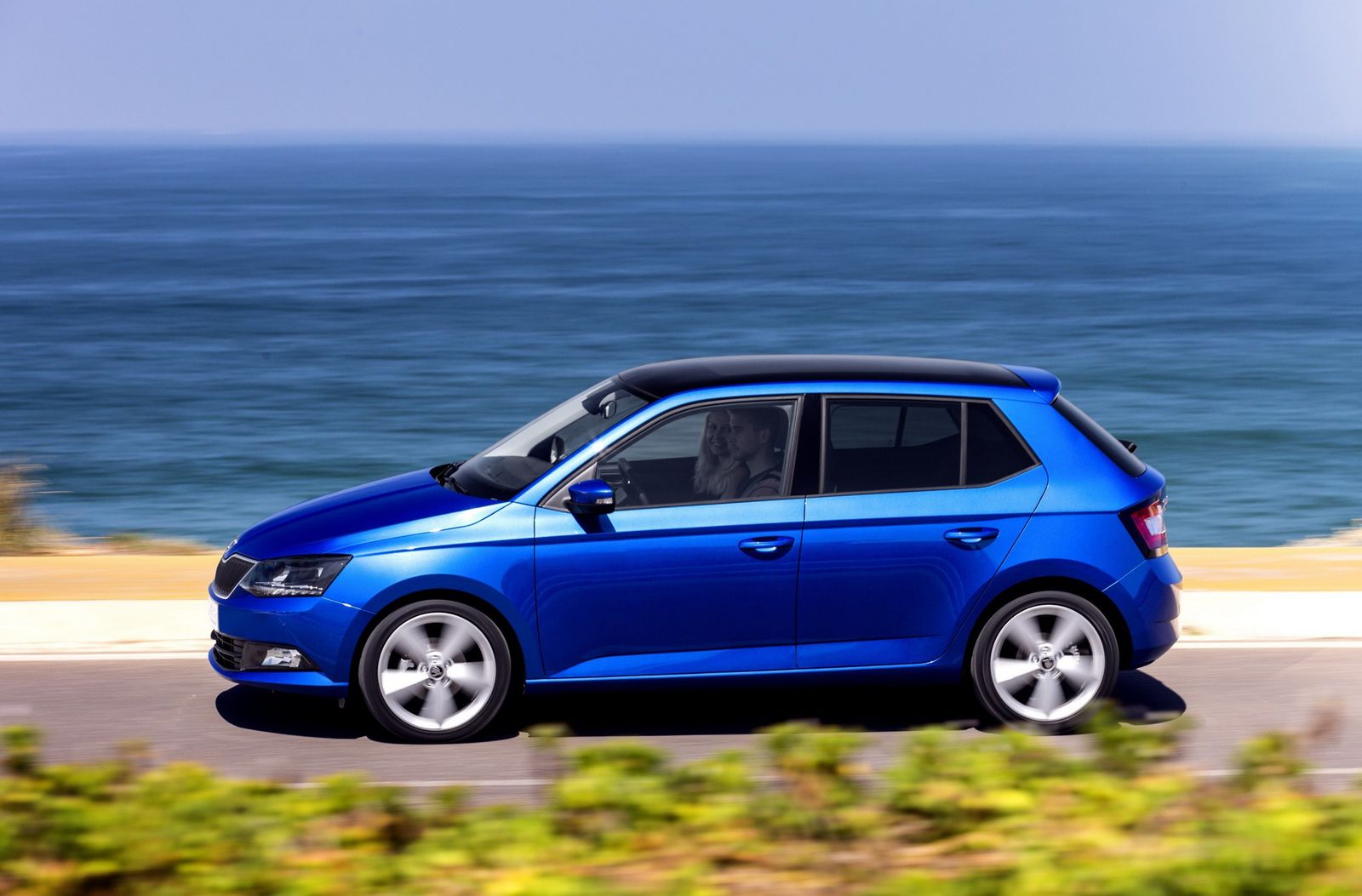
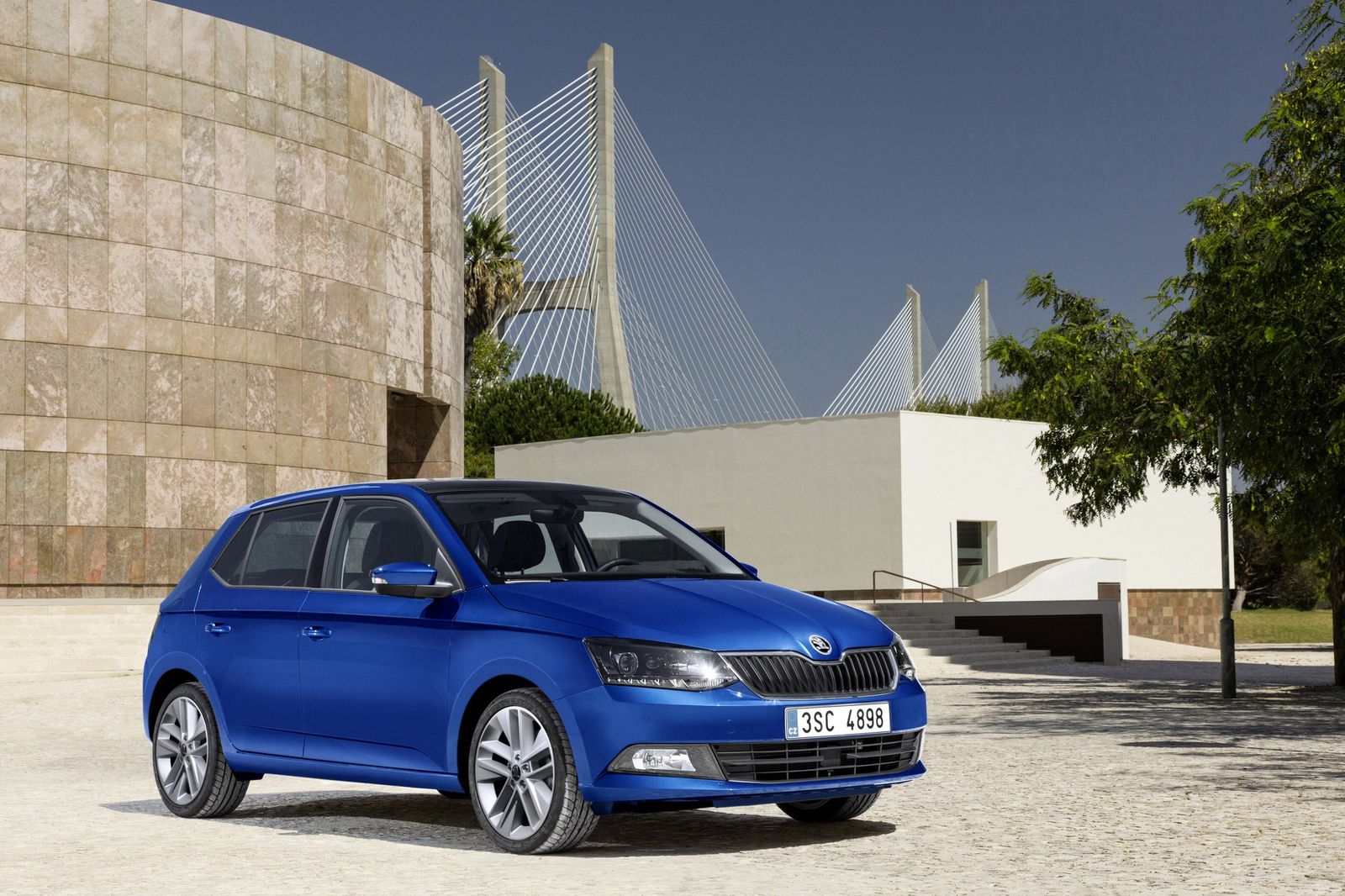
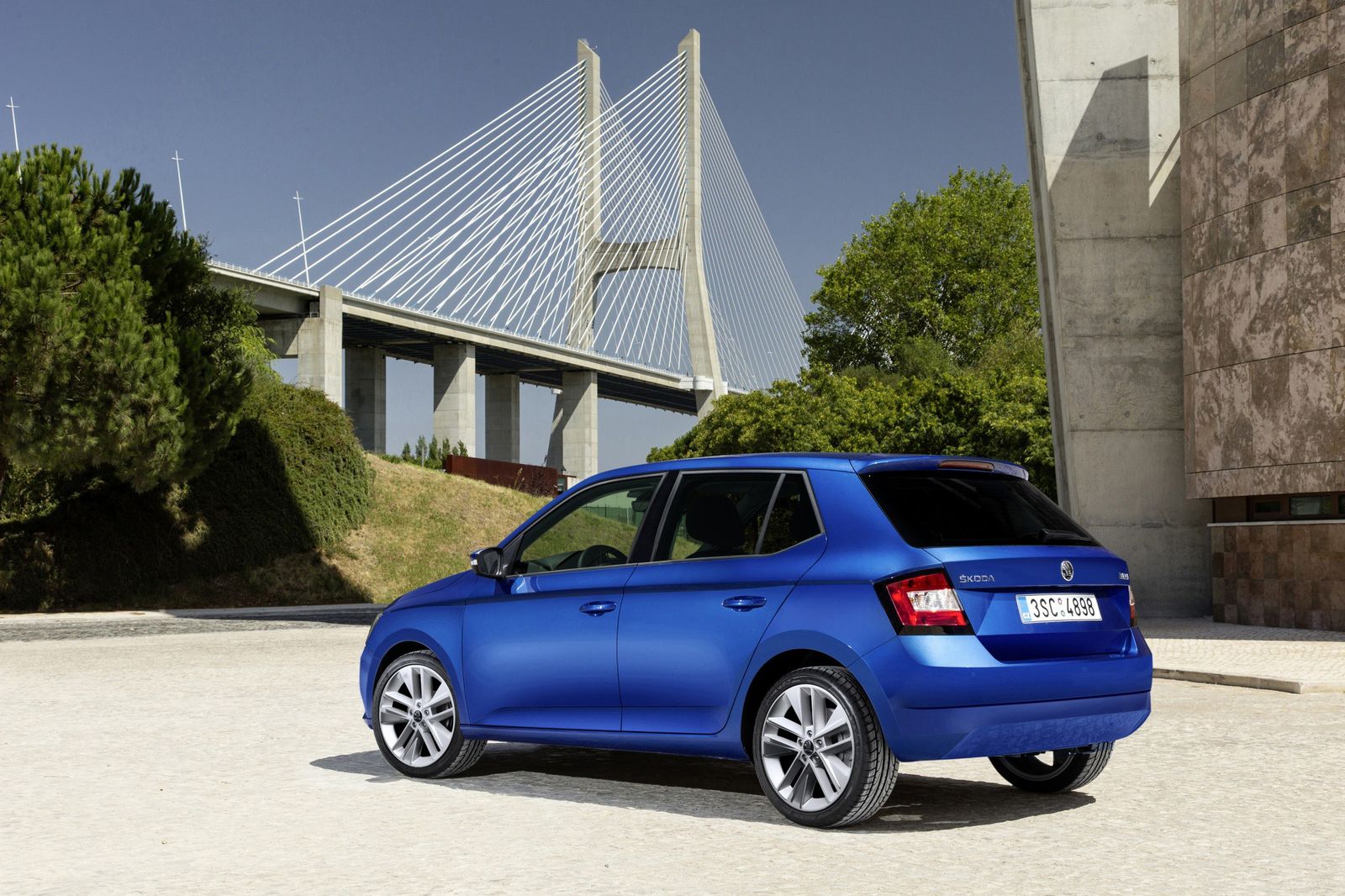
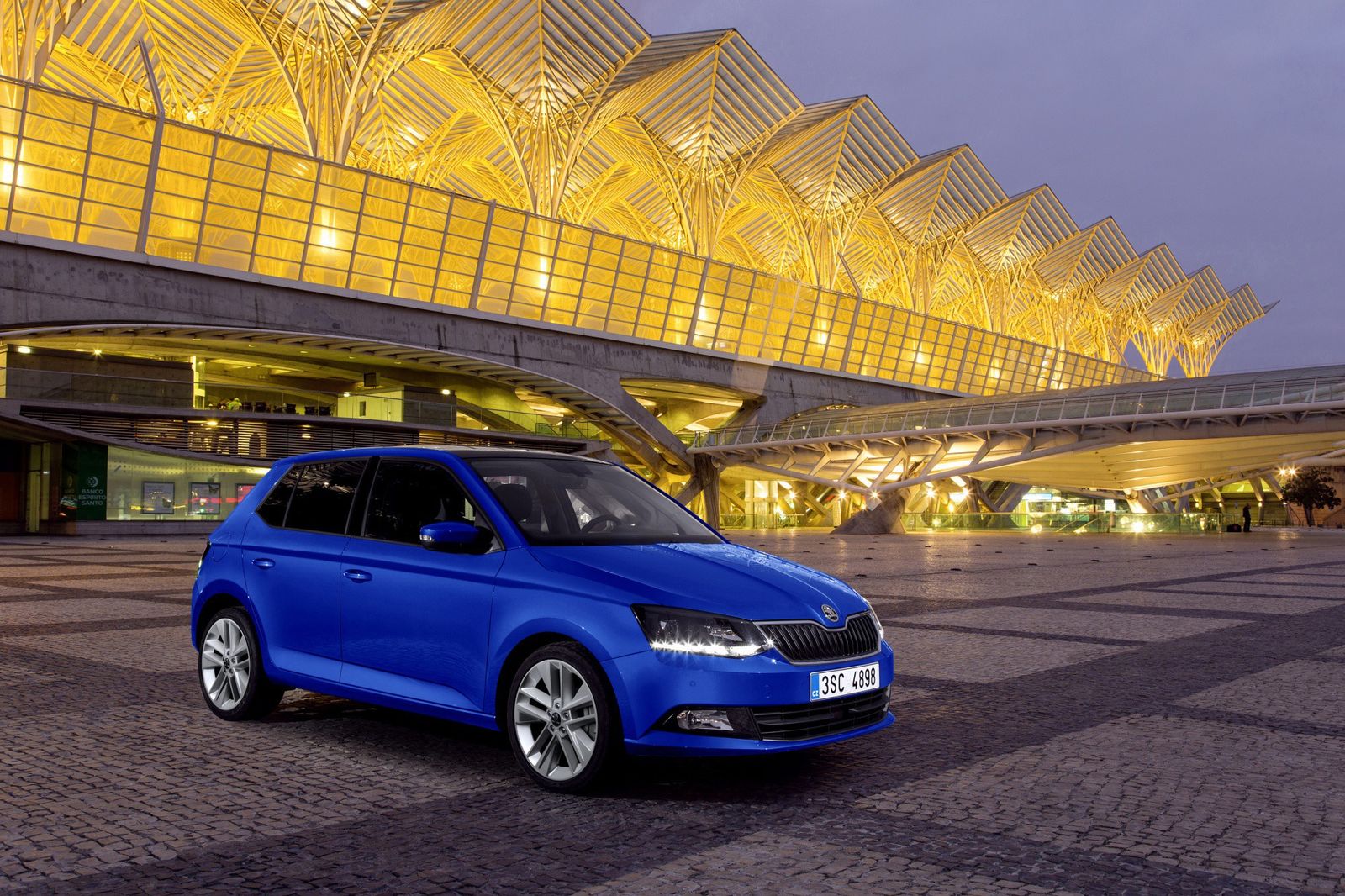
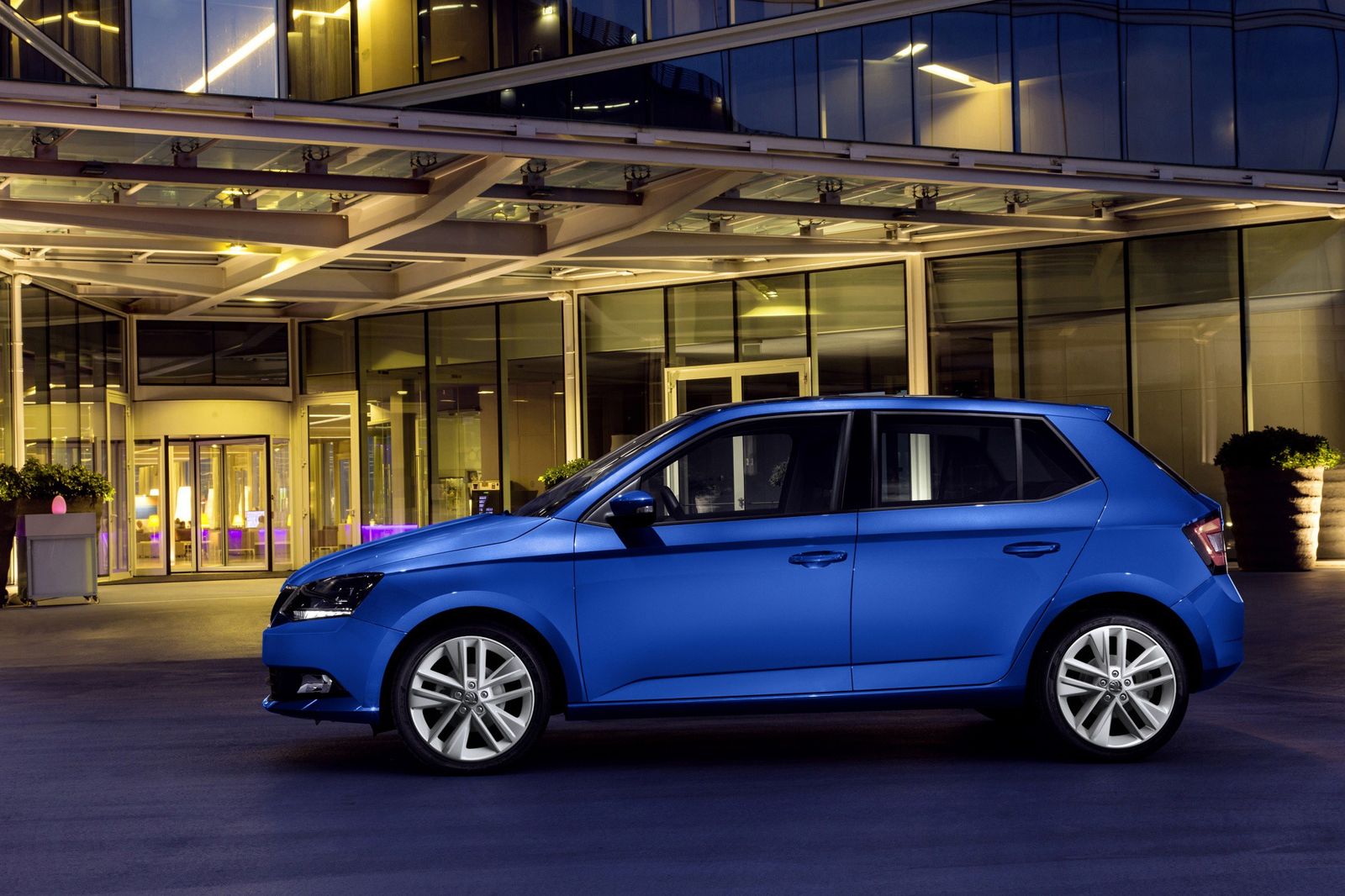
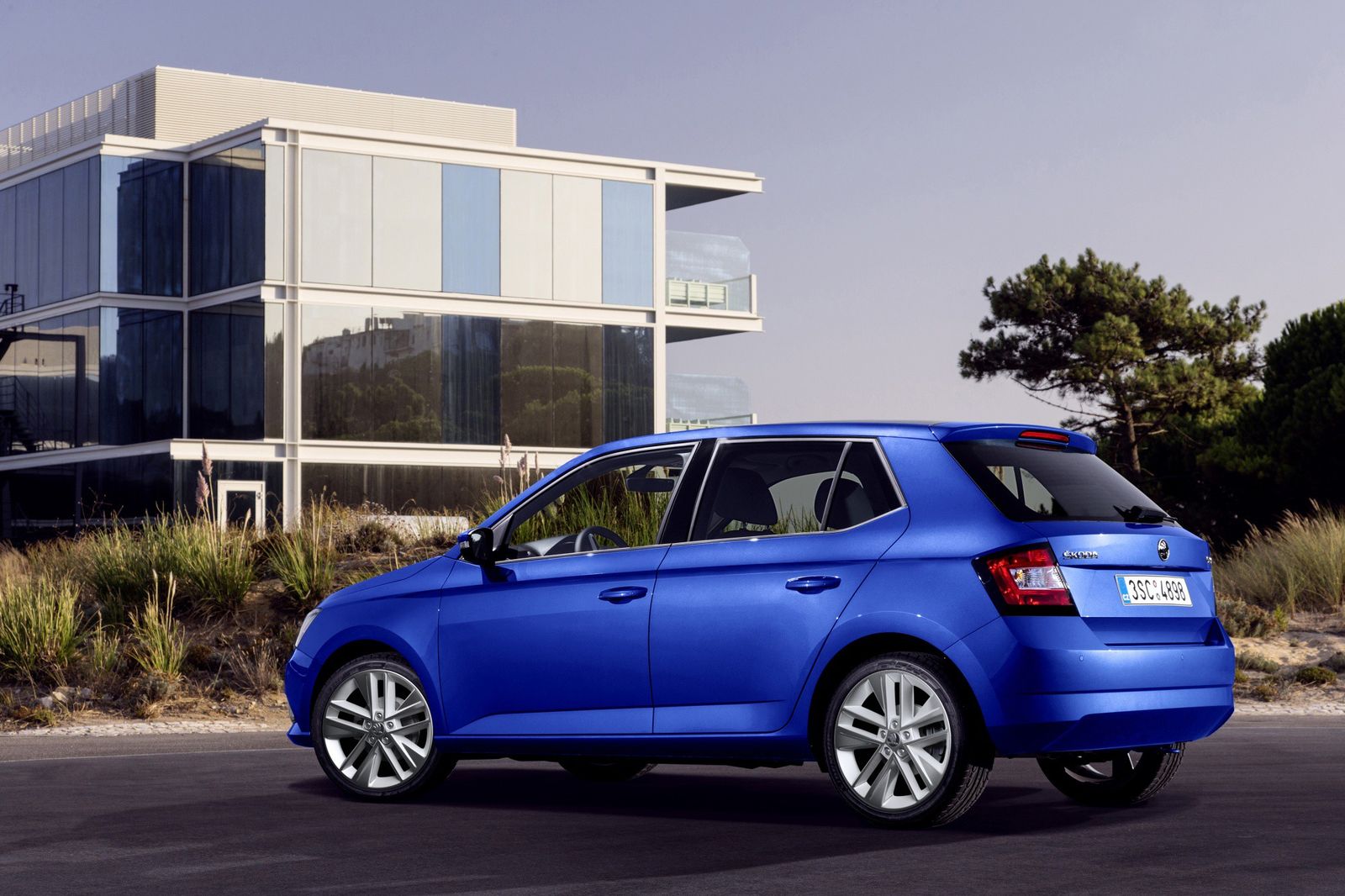
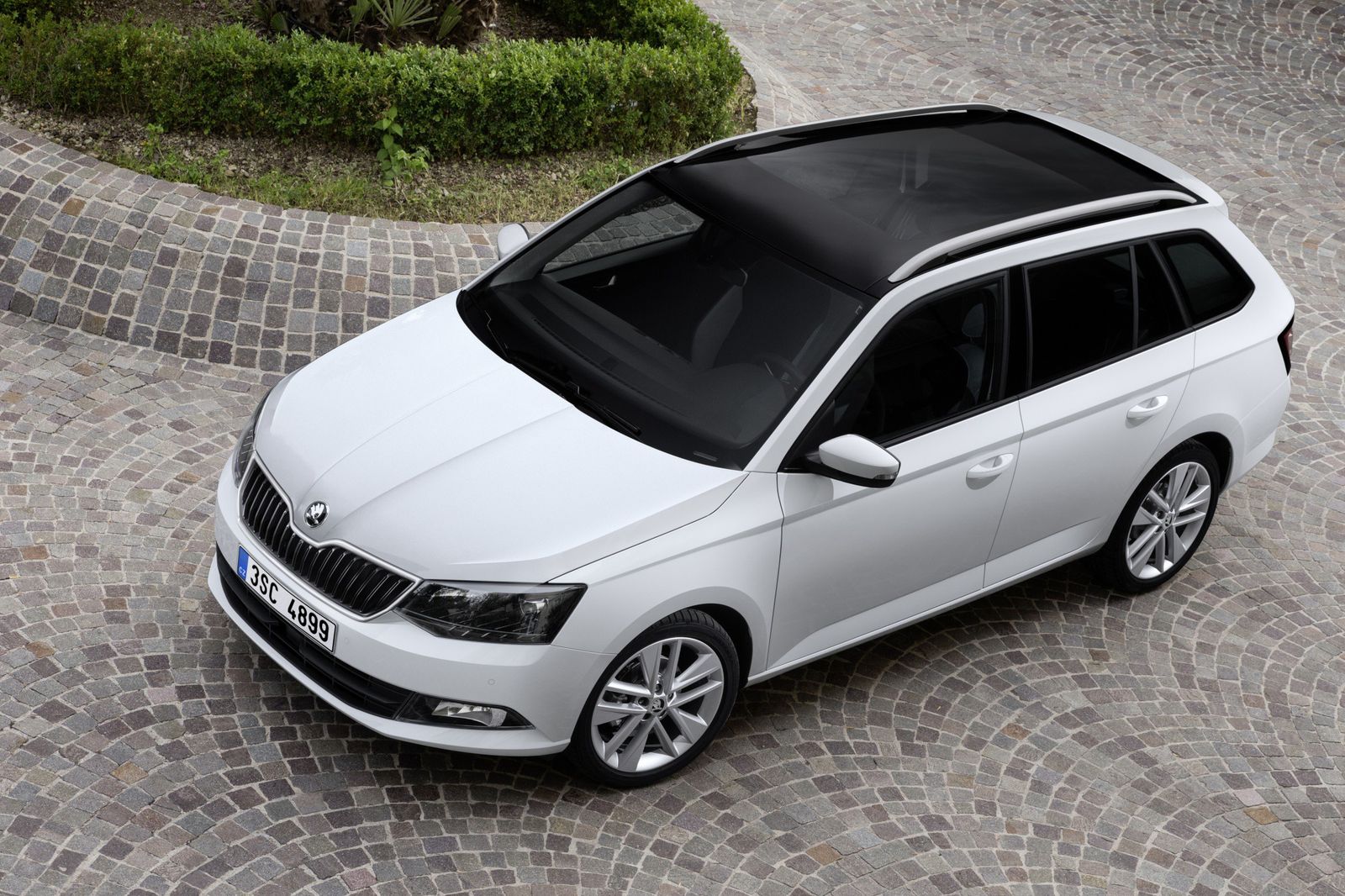
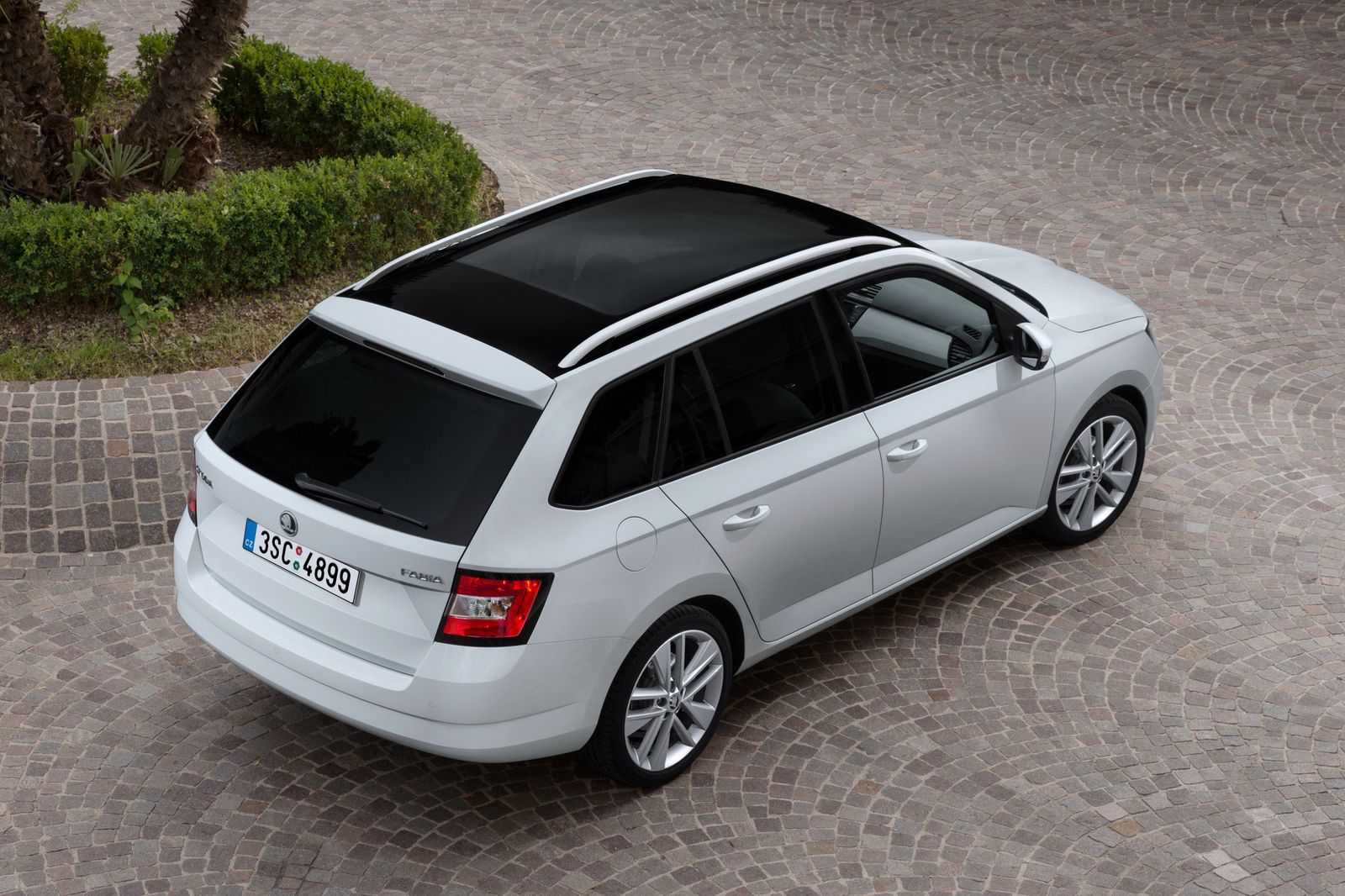
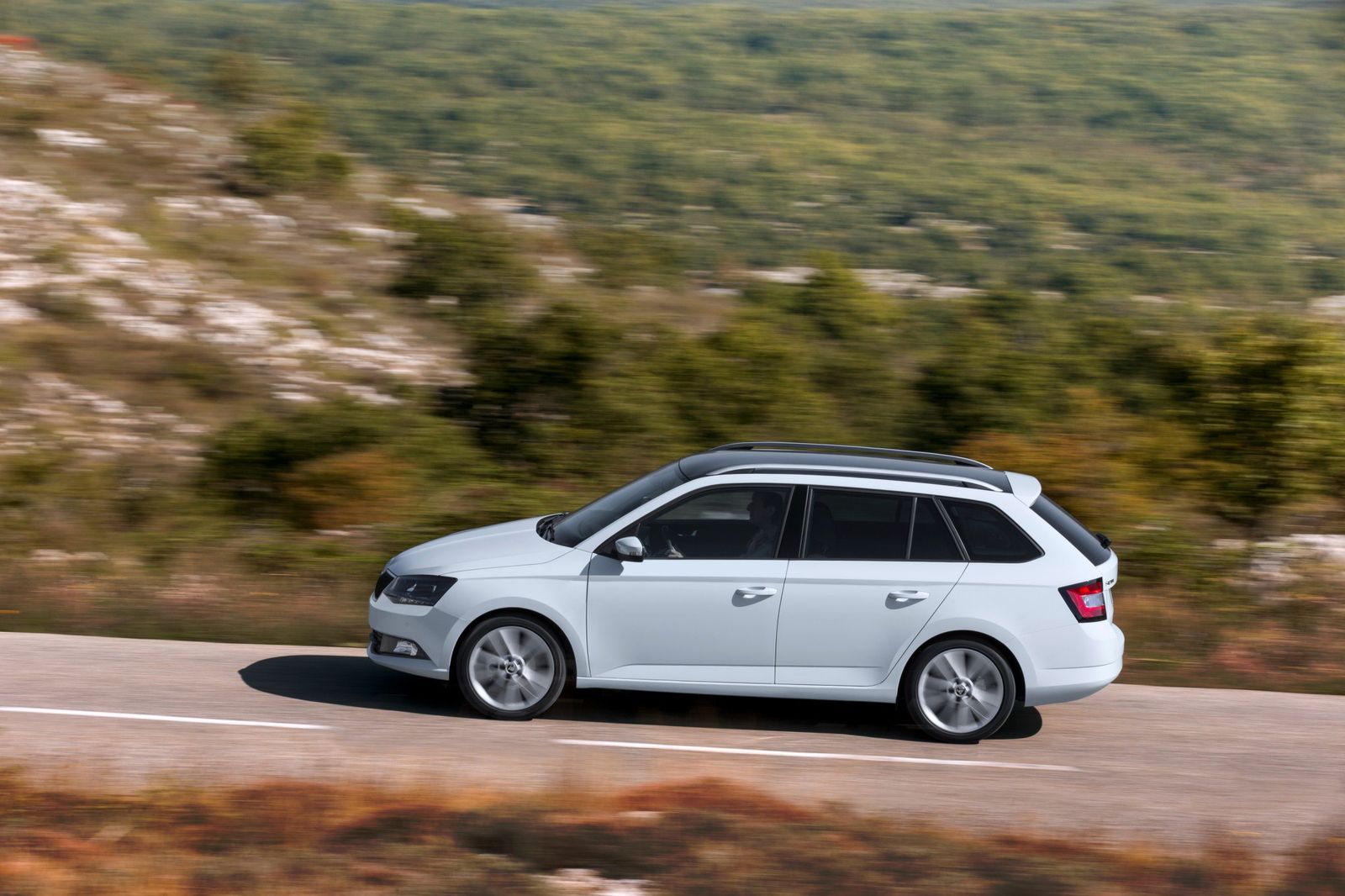
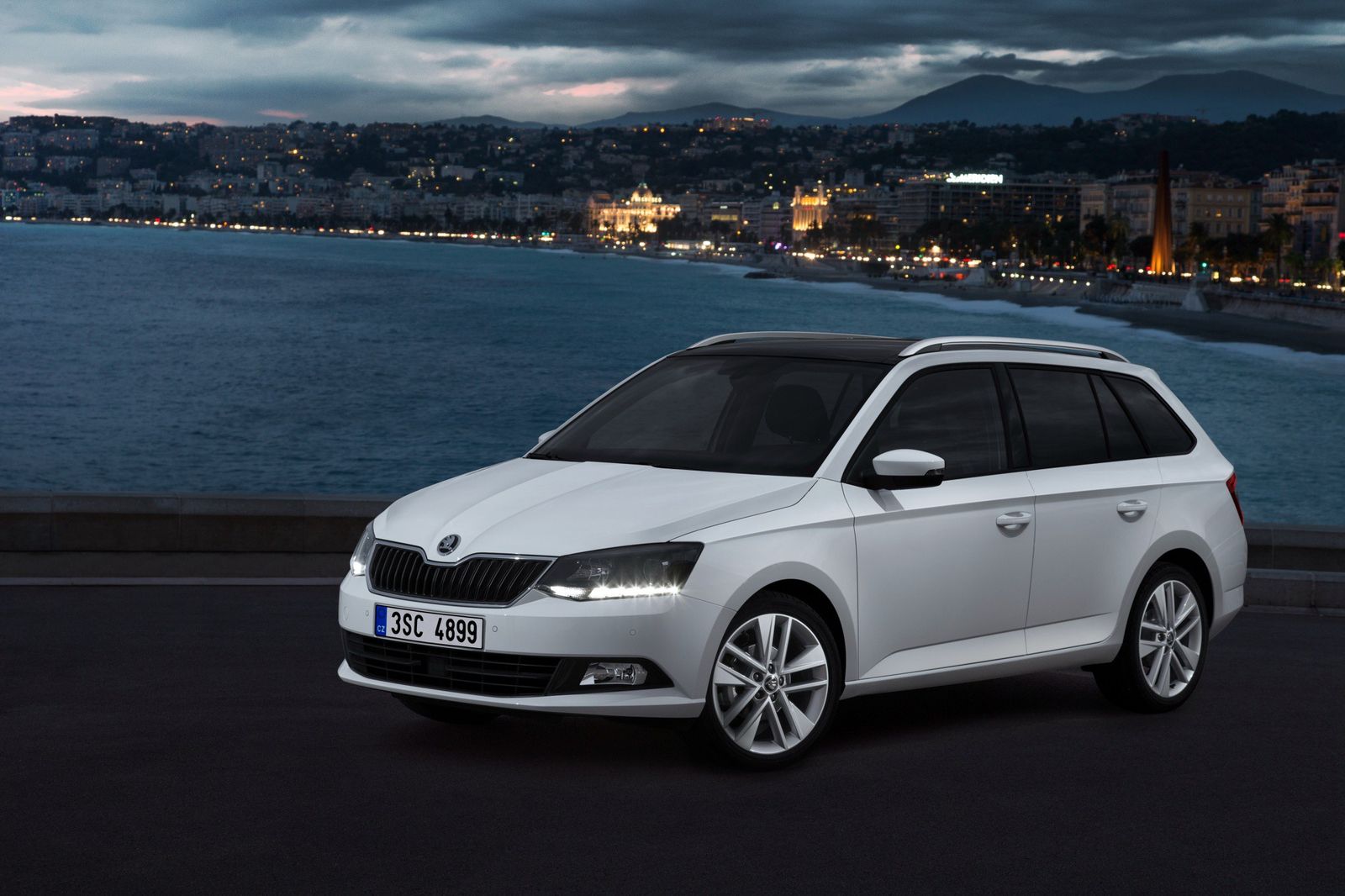
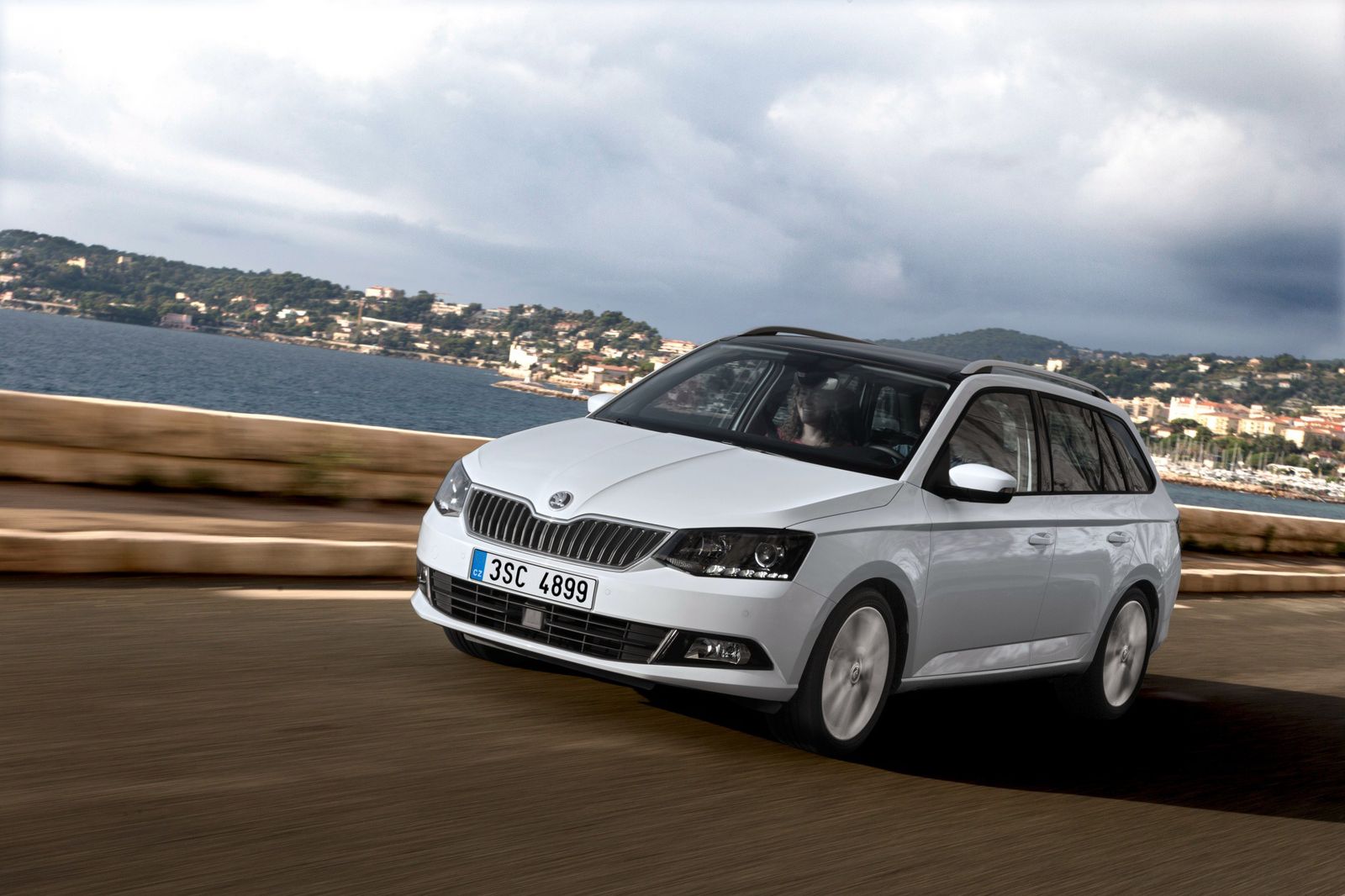
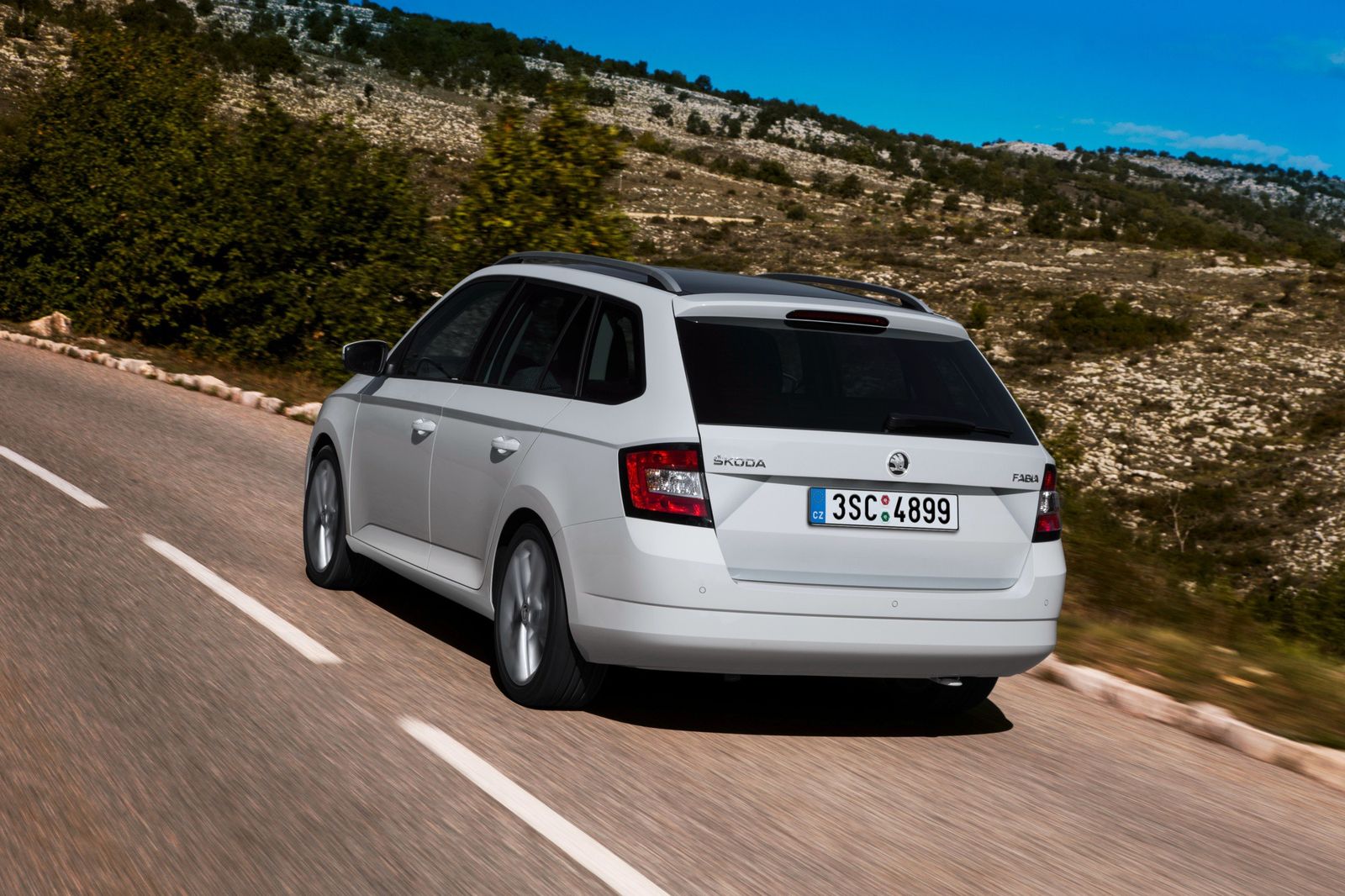
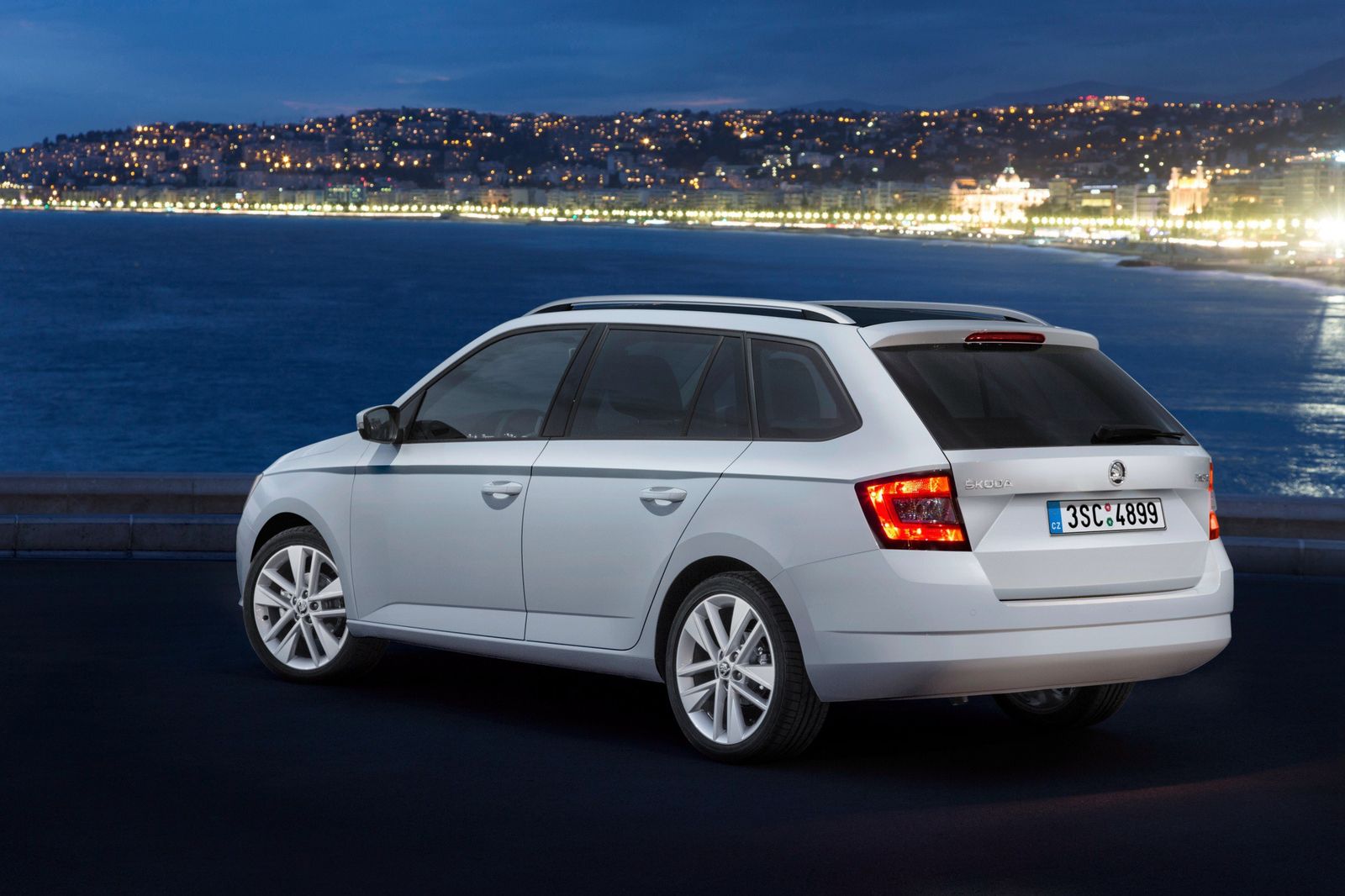
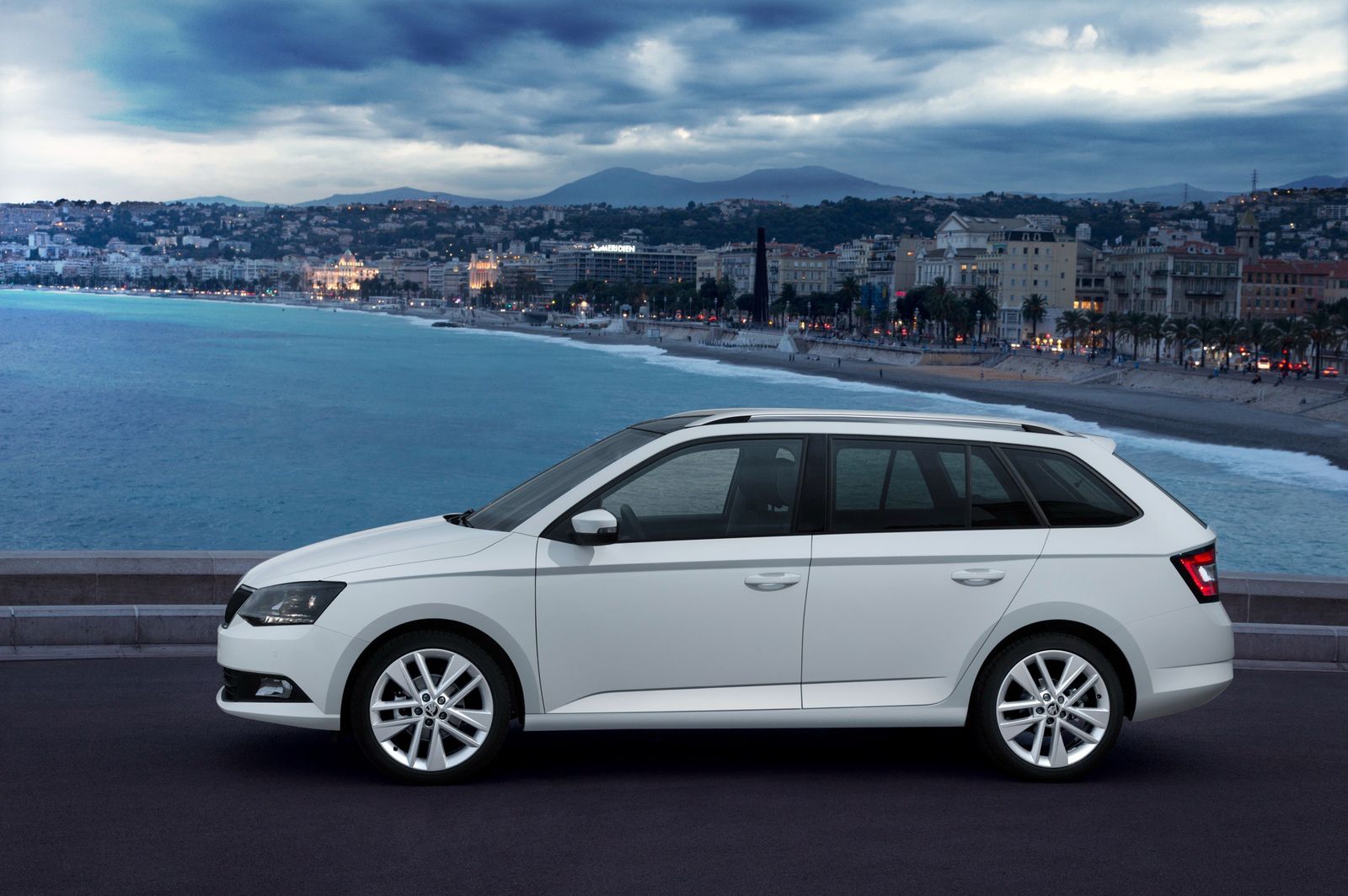
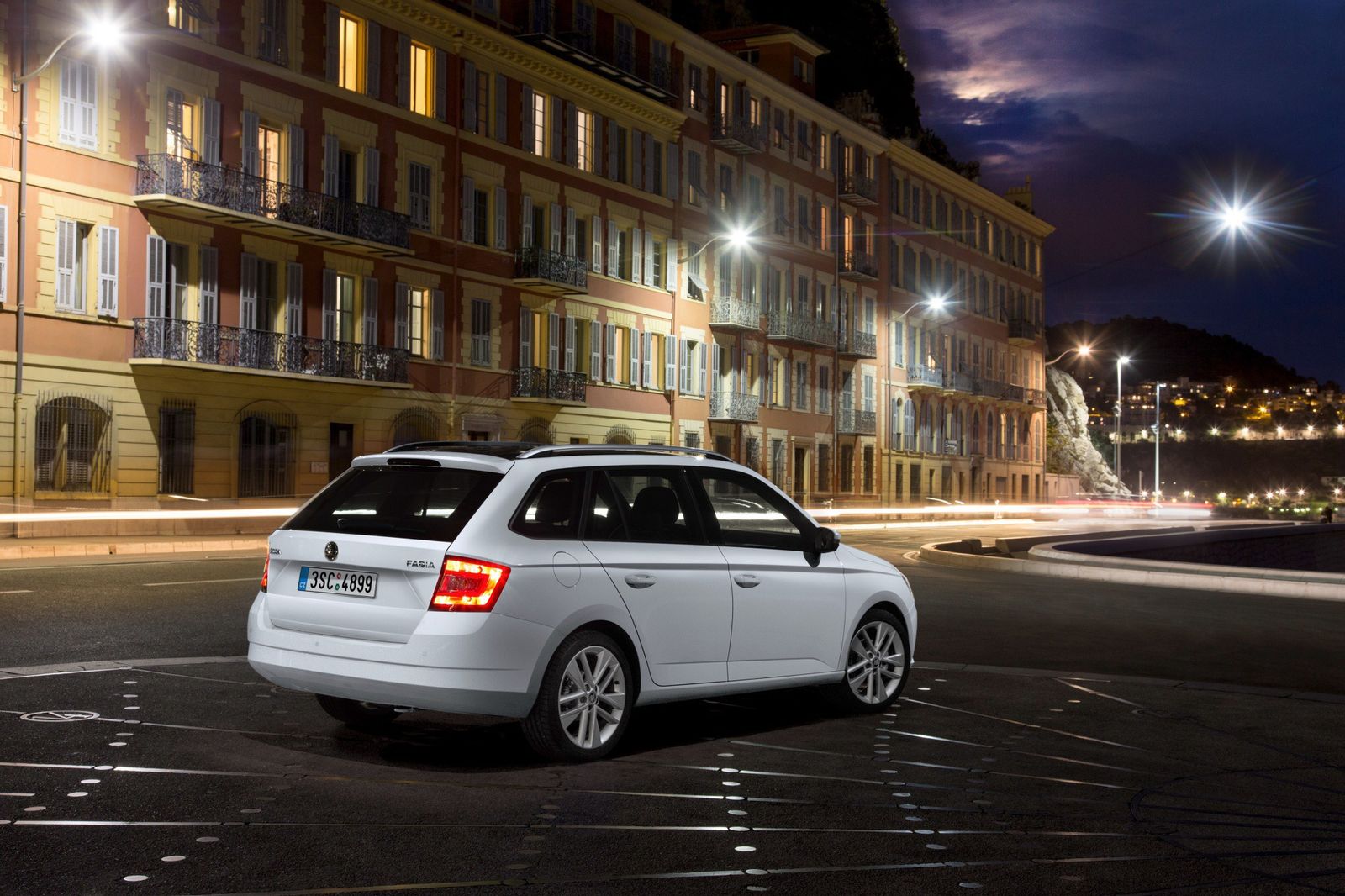
Now in its third generation, the Fabia supermini is Skoda's second most successful model after the Octavia. Offered in two body styles (five-door hatchback and estate), the third-generation Fabia arrived in late 2014 with an all-new platform and new turbocharged engines shared with the VW Polo and SEAT Ibiza.
Although bigger than its predecessor, the new Fabia is lighter, resulting in improved fuel economy figures and better handling characteristics. The Czech model also offers more features than before and adopts a welcome styling revolution. High-performance RS versions are no longer available, as Skoda chose to focus on mainstream variants that attract larger numbers of buyers.
PROS & CONS
Pros
Strong Points
- Spacious And Practical Cabin
- Big Trunk
- Efficient Diesels
- Comfortable Ride
- Affordable To Buy And Run
Recommended Versions
- Fabia 1.2 Tsi 90 Ps
- Fabia 1.4 Tdi 90 Ps
- Fabia 1.4 Tdi 90 Ps
Cons
Weak Points
- Underpowered Base Engines
- Design Is Still Conservative
- Not Exciting To Drive
- Hard Plastics Inside
Stay Away From
- Fabia 1.0 Mpi
Attention
Known Problems & Recalls
- Models Equipped With The 7-Speed Dsg Transmission Have A Poor Reliability Record
CAR DETAILS
Drive
Powertrain
The Fabia is available with four gasoline engines and two diesel units, with outputs ranging from 60 PS (59 hp) to 110 PS (108 hp). The entry-level 1.0-liter three-cylinder engine is best avoided, as it's too feeble for the Fabia – particularly in 60 PS guise. The pick of the range for gasoline fans is the 1.2-liter TSI turbocharged four-cylinder unit, rated at 90 PS (89 hp) or 110 PS (108 hp). If diesel is what you're after, Skoda only offers a 1.4-liter TDI turbocharged three-cylinder, available with either 90 PS (89 hp) or 105 PS (104 hp). The lower-powered version offers the best value if you like your fuel consumption very low.
Handling
While the new Fabia handles better than the model it replaces, it's not an exciting car to drive. There's nothing abnormal about its behavior on the road, but the soft suspension and the lack of feedback from the steering mean the driver will have more fun in a Ford Fiesta and even in the mechanically-related VW Polo. The Fabia does its job in a quiet and efficient manner, just as you would expect from a reasonably priced car. While it lacks in excitement, there's nothing to complain about either.
Safety
The Euro NCAP has awarded the Fabia with the "Best in Class" accolade in 2014 for the Supermini segment. The model received the maximum rating of five stars, offering an 81 percent protection rating for adult occupants, 81 percent for child occupants, 69 percent for pedestrians, and 69 percent for safety assist systems. The only notable problem was the weak protection offered for rear seat passengers in case of a rear whiplash impact. Standard safety systems include six airbags, ABS, ESC, tire pressure monitor, and Isofix child seat mounts at the rear, among other features.
Interior
Comfort
The Fabia delivers a cosseting ride thanks to its soft suspension that absorbs bumps and road irregularities without making a big fuss about it. The interior is a quiet environment – there's less wind, road, and engine noise inside than the segment's norm. Finding a comfortable driving position is easy thanks to standard features such as the tilt-and-telescoping steering wheel and height-adjustable seat. The seats are comfortable enough and offer plenty of support. Visibility is good all-around except towards the rear because of the thick C-pillars.
Quality
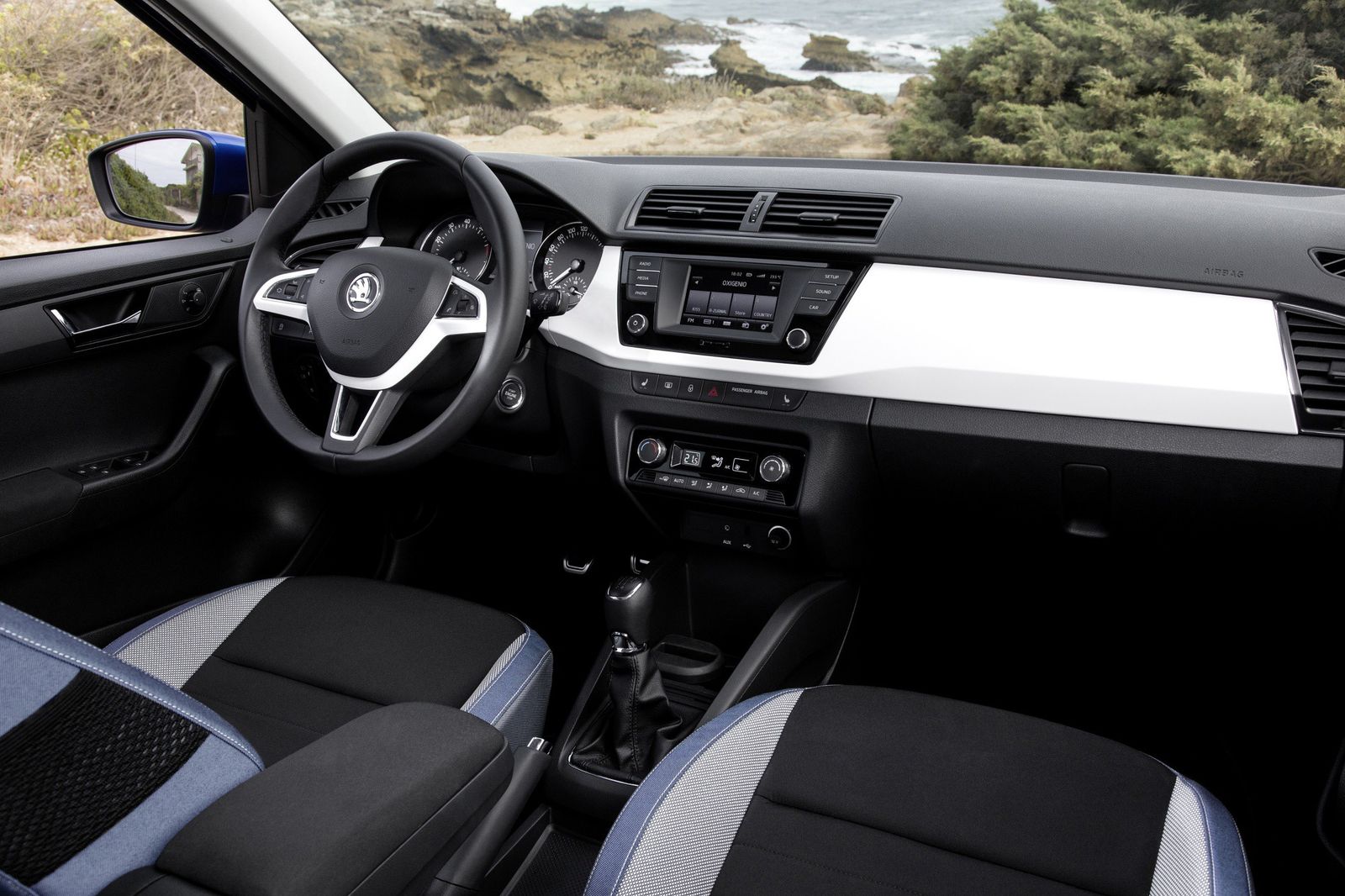
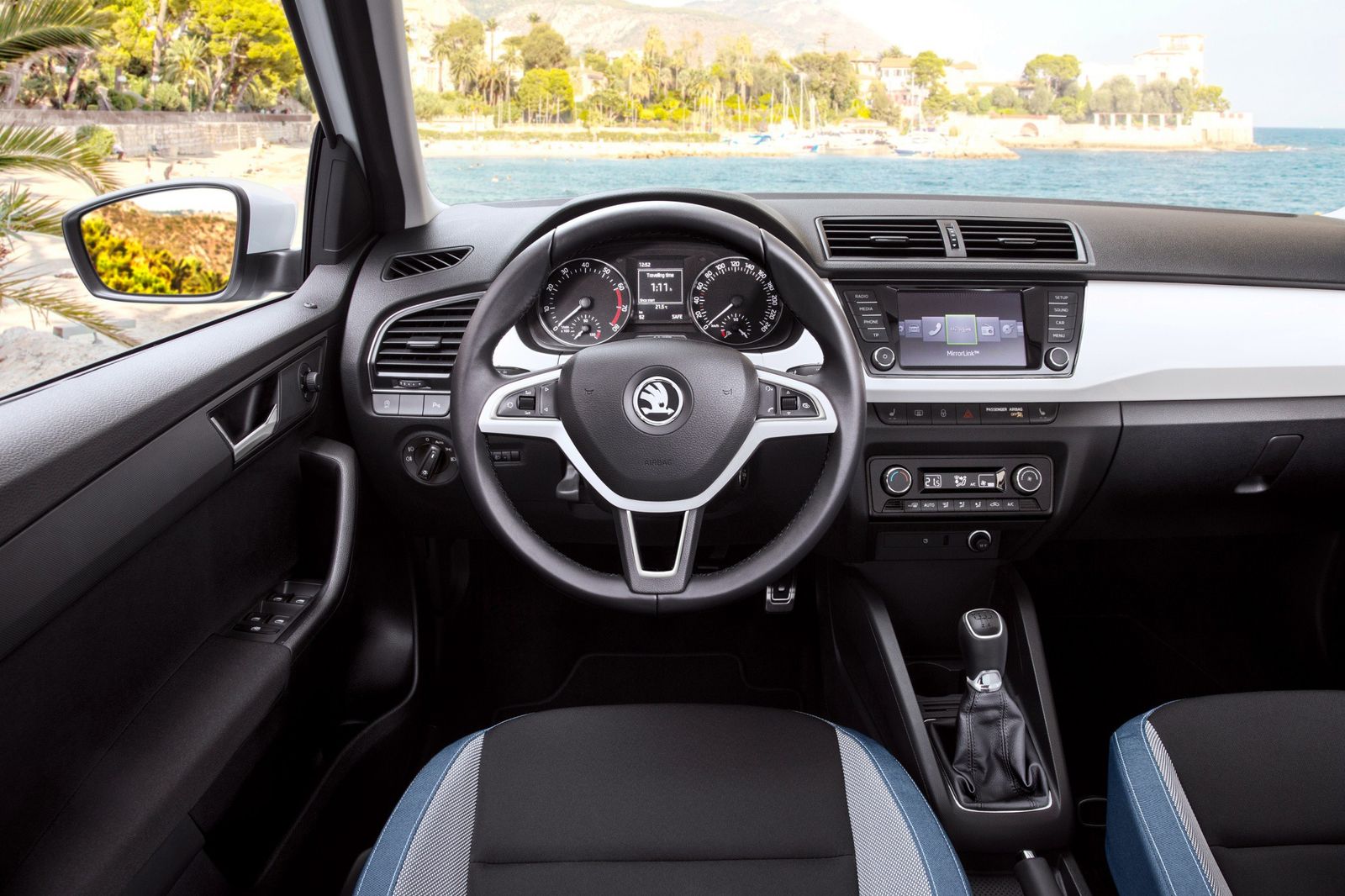
The third-generation Fabia's fit and finish have improved compared to its predecessor, but the cabin still doesn't look as posh as the VW Polo's. There are no soft touch surfaces at all throughout the cabin, but the quality of the plastics is good. While the interior is functional and ergonomic, it looks rather dull – Skoda could have livened it up a little with contrasting materials and trim. If you look closely, you will see some switchgear sourced from the Octavia. Overall, the Fabia's cabin feels very well built and gives the impression that it will stand the test of time with little wear and tear.
Practicality
Despite having a smaller footprint than the model it replaces, the third-generation Fabia has a longer wheelbase, which translates into more passenger space. It's one of the most spacious superminis, offering generous legroom and headroom for both front and rear passengers – even for six-footers. The trunk is one of the biggest in the segment: the hatchback can accommodate 330 liters (11.6 cu-ft) with all seats in place or 1,150 liters (40.6 cu-ft) with the rear seats folded down. As you can imagine, the wagon version is significantly roomier, boasting 530 liters (18.7 cu ft) of cargo volume with all seats in place and 1,395 liters (49.2 cu-ft) with the rear seats folded away.
Infotainment
Even basic models come equipped with Bluetooth connectivity, as well as a four-speaker digital radio system with USB and SD card. For the Fabia, Skoda has chosen not to offer an integrated satellite navigation system, as factory-fitted interfaces were only specified by 1 percent of customers of previous-generation models. That's why Skoda has adopted MirrorLink (Android) and SmartGate (Apple) technologies, which allow the driver to link a smartphone to the car and see many of the apps (including navigation) on the car's touchscreen.
Budget
Efficiency
The Fabia is an affordable car to run, regardless of the engine variant you choose. However, the diesel engines are the most frugal. Skoda claims the 90 PS (89 hp) 1.4-liter TDI unit averages as low as 3.4 l/100 km (69.1 mpg US) on the combined cycle with the manual transmission, while the 105 PS (104 hp) version is officially rated at 3.6 l/100 km (65.3 mpg US). The most economical gasoline engines are the base 1.0-liter unit with 60 PS (59 hp), and the 1.2-liter TSI with 90 PS (89 hp) – each averages as low as 4.6 l/100 km (51.1 mpg US). We wouldn't recommend the former, though, as it has insufficient power and torque.
Equipment
Depending on the market, base Skoda Fabias are well-equipped. Besides features we've already mentioned, each model comes as standard with a tilt-and-telescoping steering wheel, height-adjustable driver's seat, front power windows, stop/start, brake energy regeneration, heated power door mirrors and more. However, the base model lacks air conditioning, which is why we'd recommend choosing the next grade that adds air-con, rear parking sensors, and a better sound system that also comes with MirrorLink.
Acquisition
Given that the Fabia targets cost-conscious customers, it's hard to fault it. The Czech supermini offers good value for money: it has one of the most spacious and practical interiors in the segment, it features fuel-efficient engines, and it has good build quality. It may not be as good-looking and fun to drive as the Ford Fiesta, but as long as looks and sharp handling are not your priorities, you will be happy with the Fabia. Mind you, it's not as affordable as it used to be, so you should compare prices with competitors before making an acquisition.