

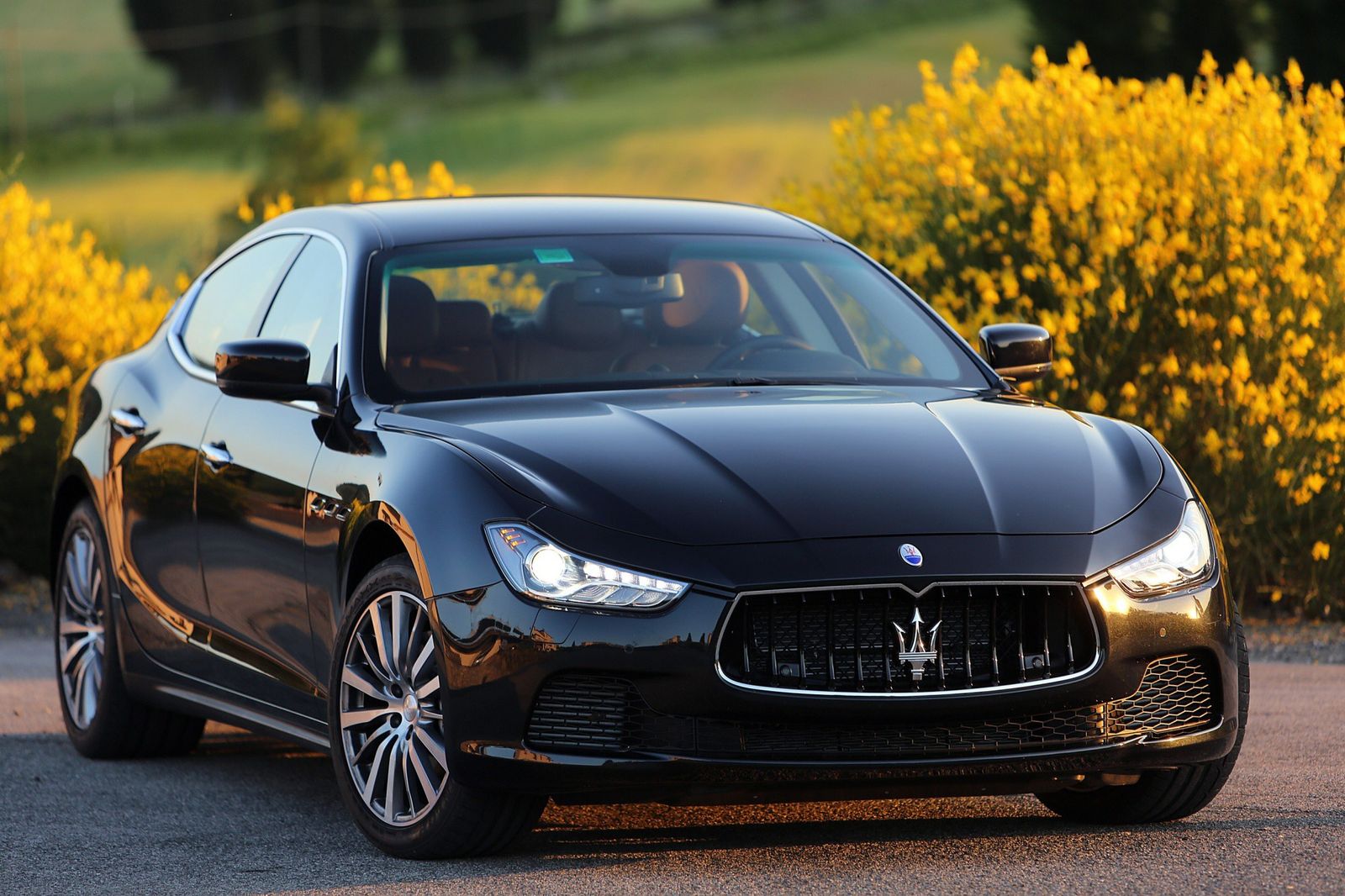
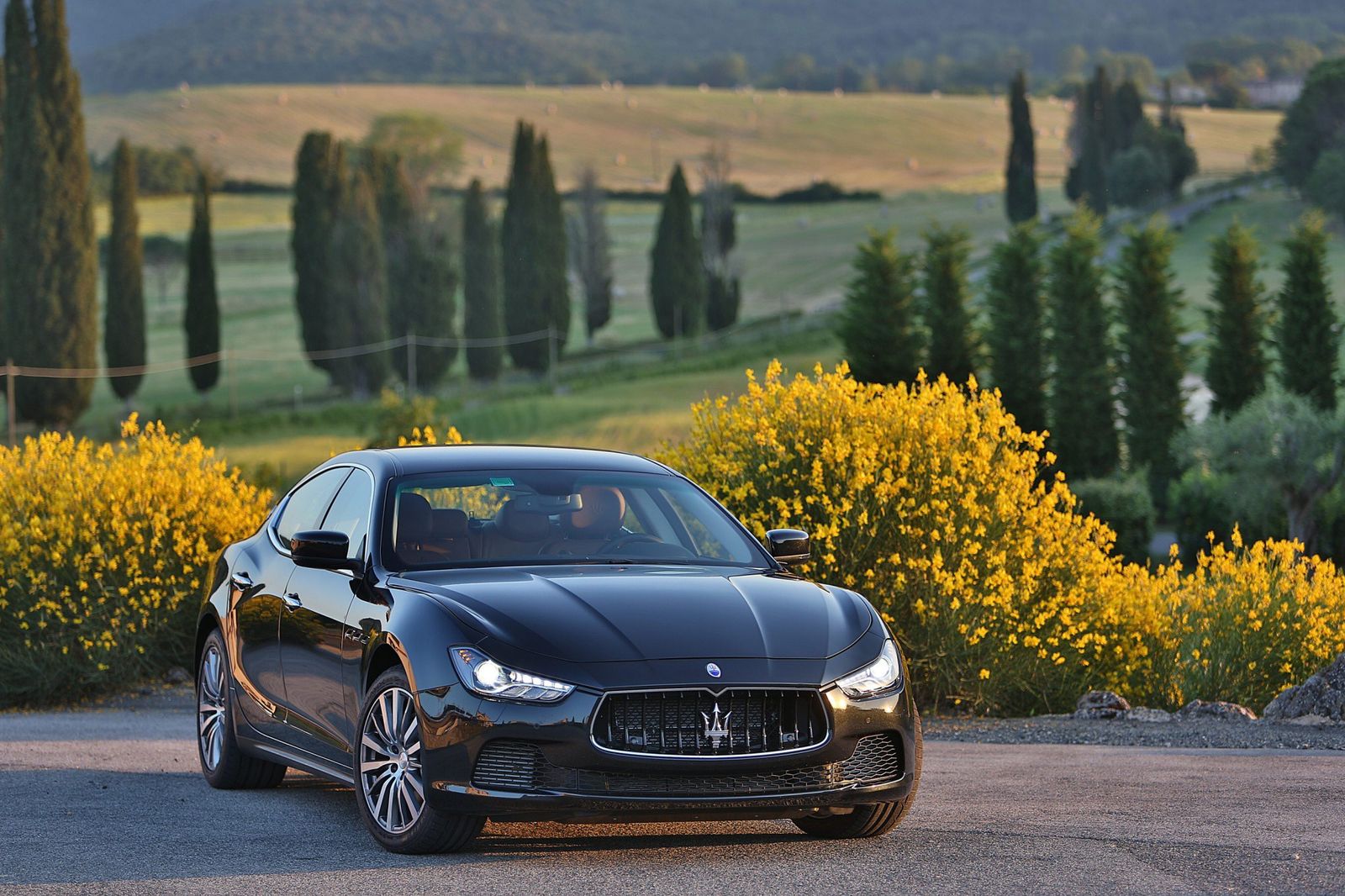
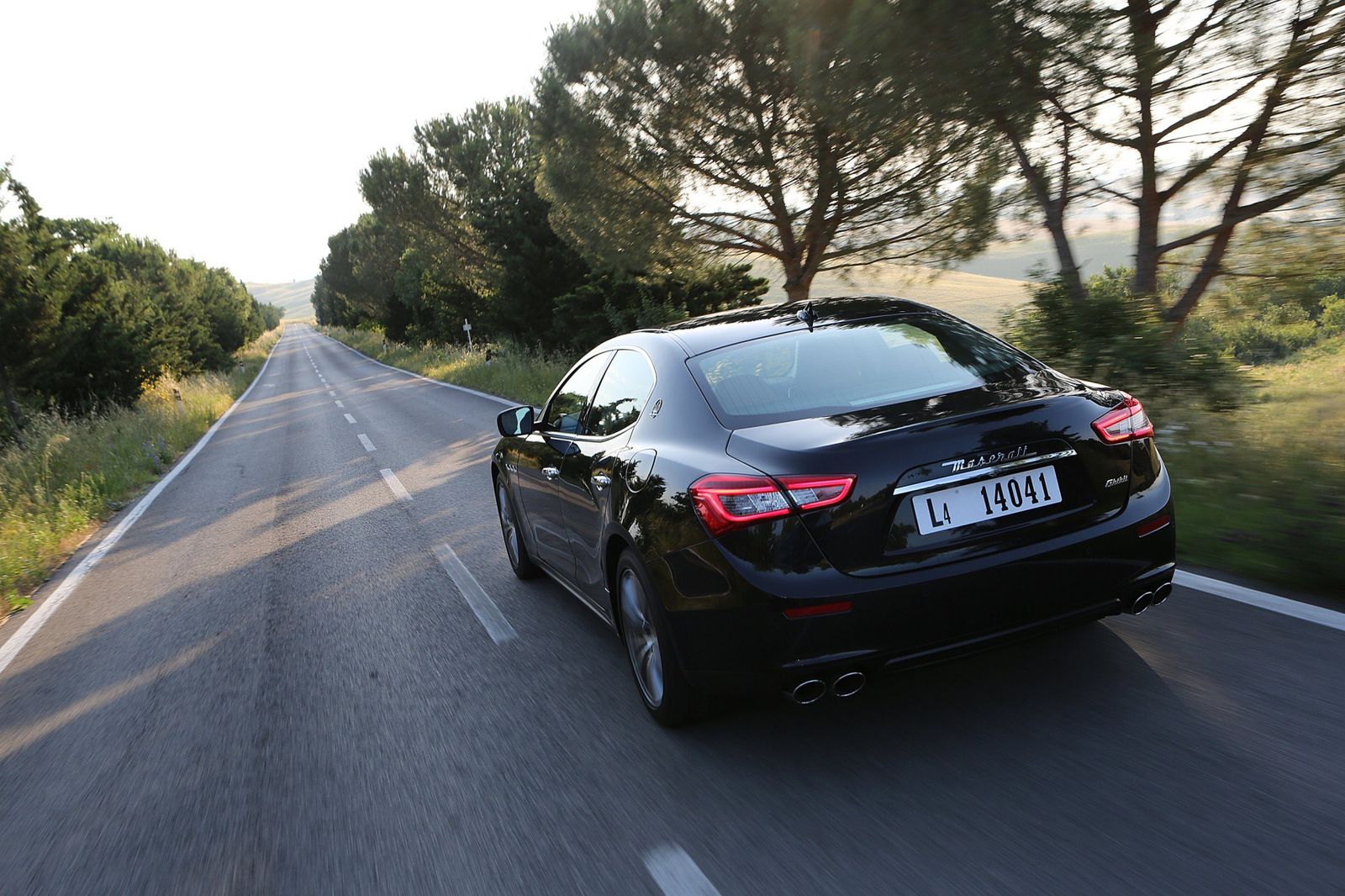
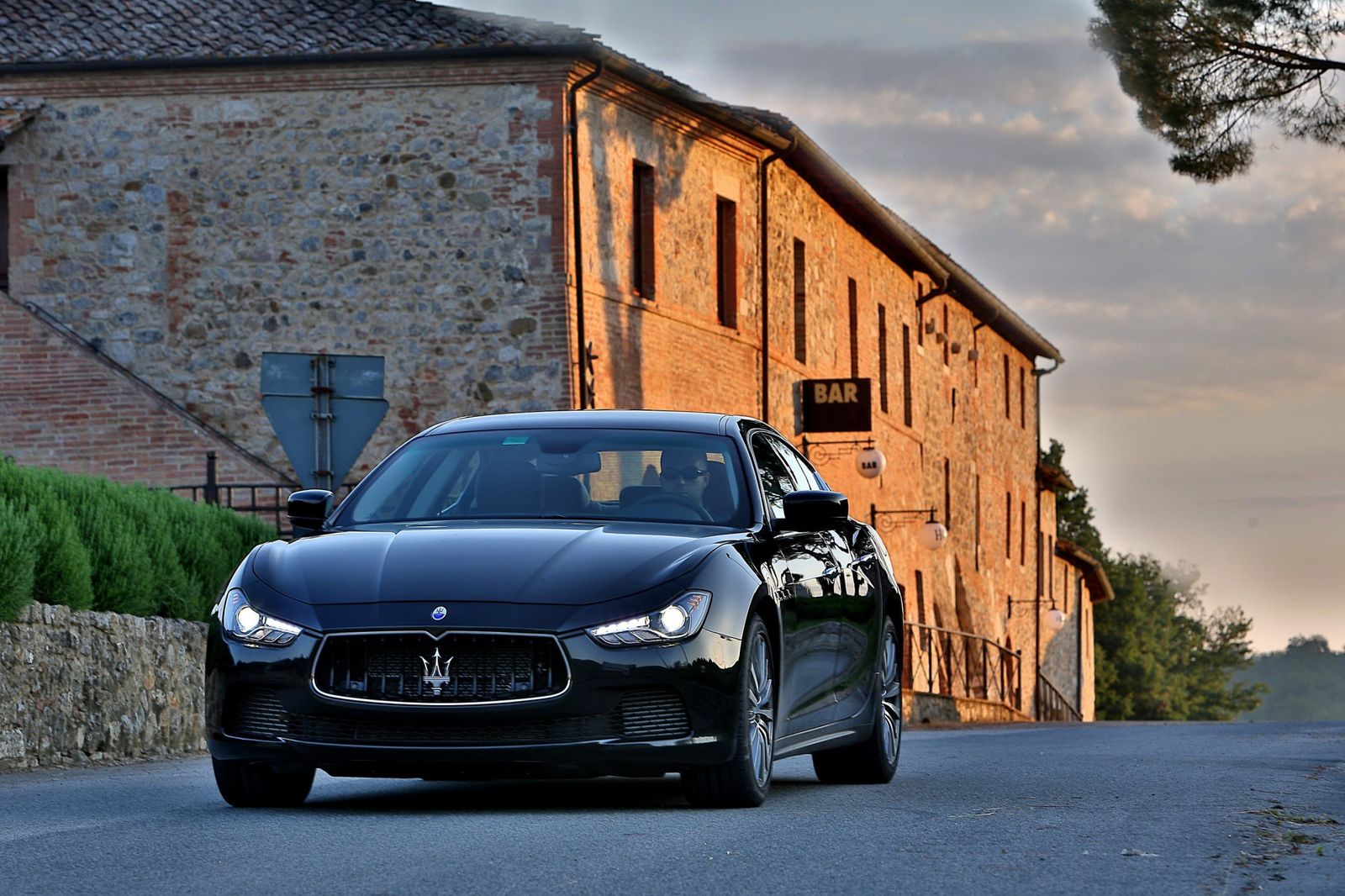
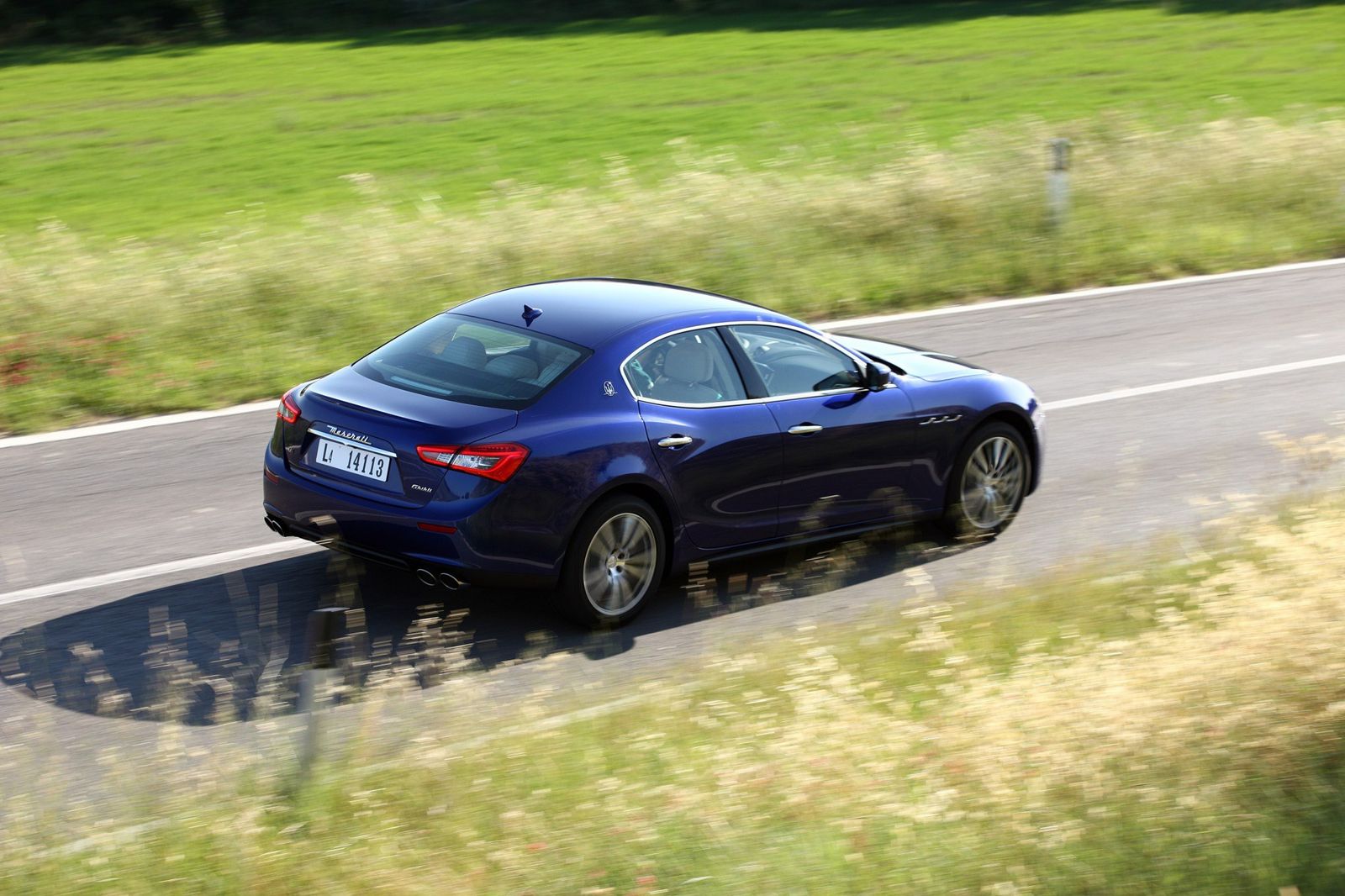
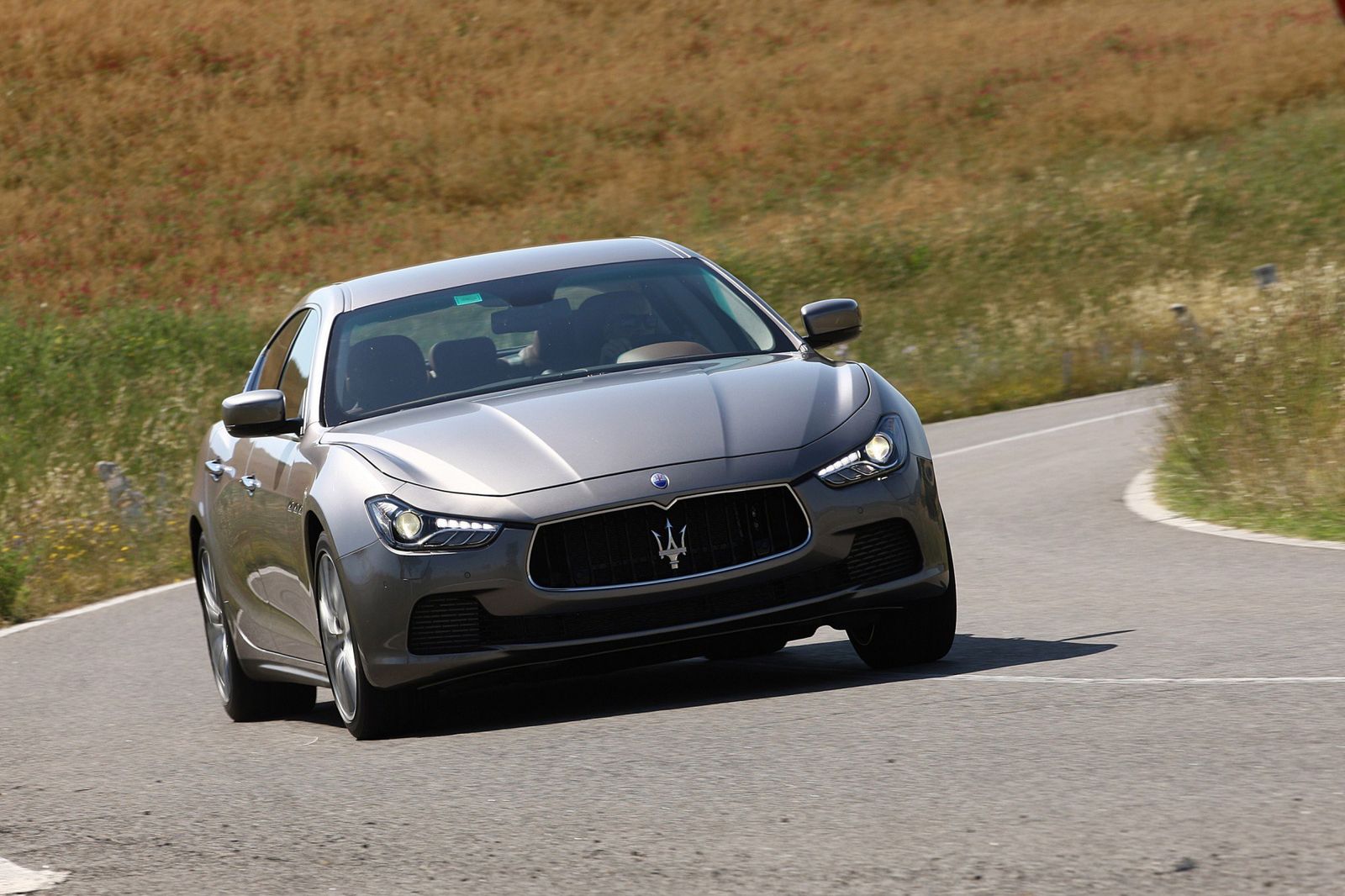
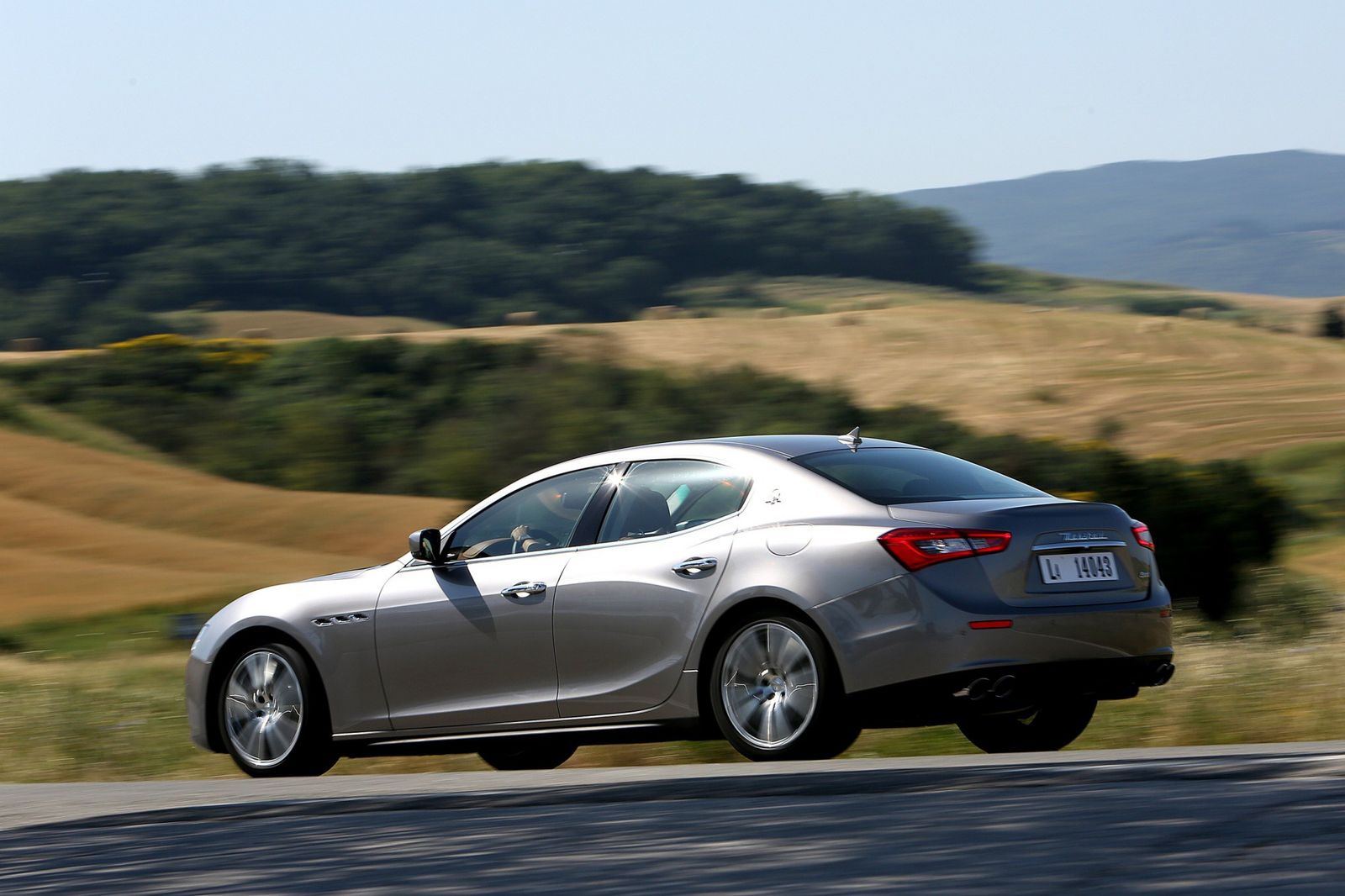
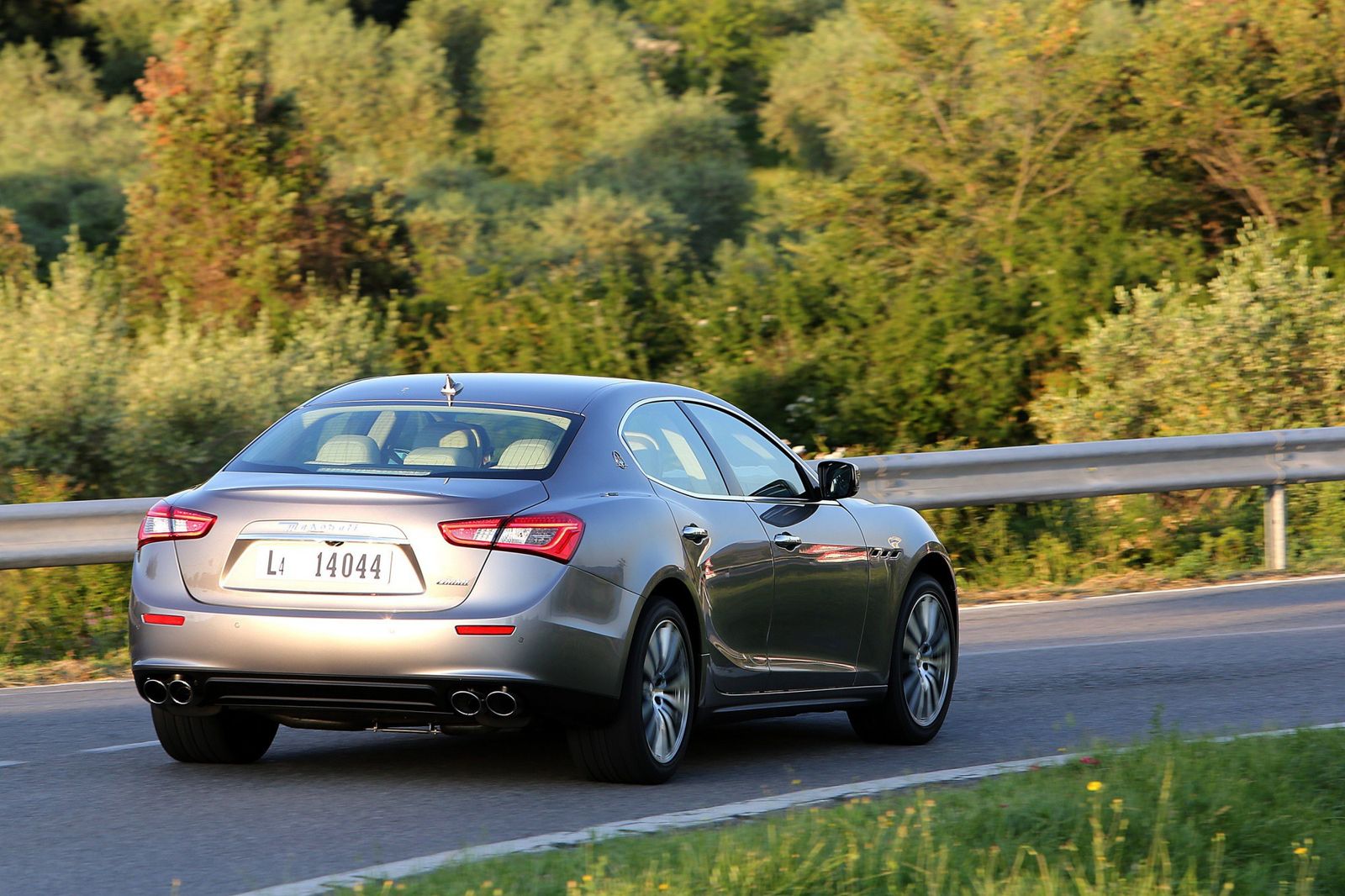
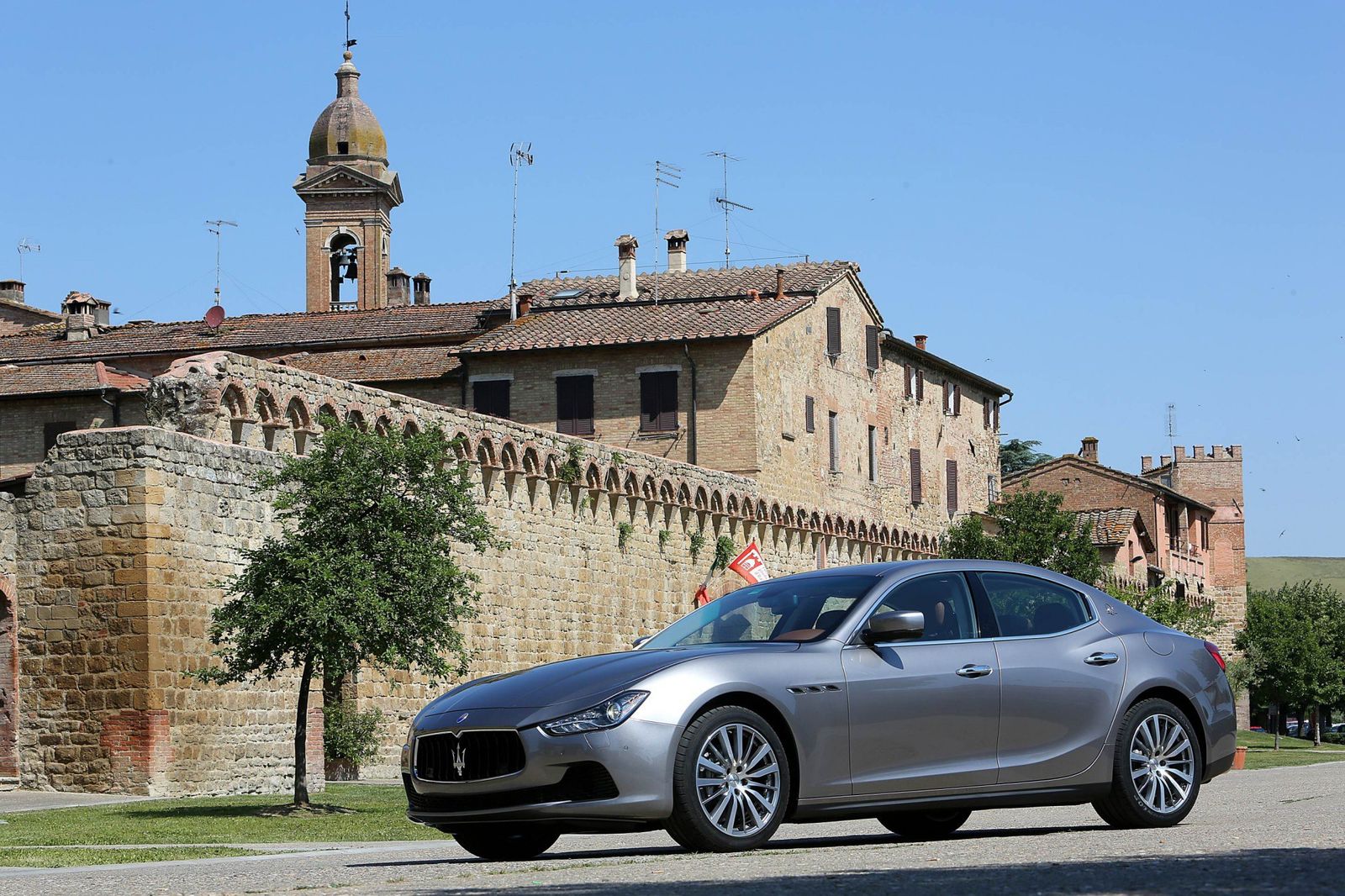
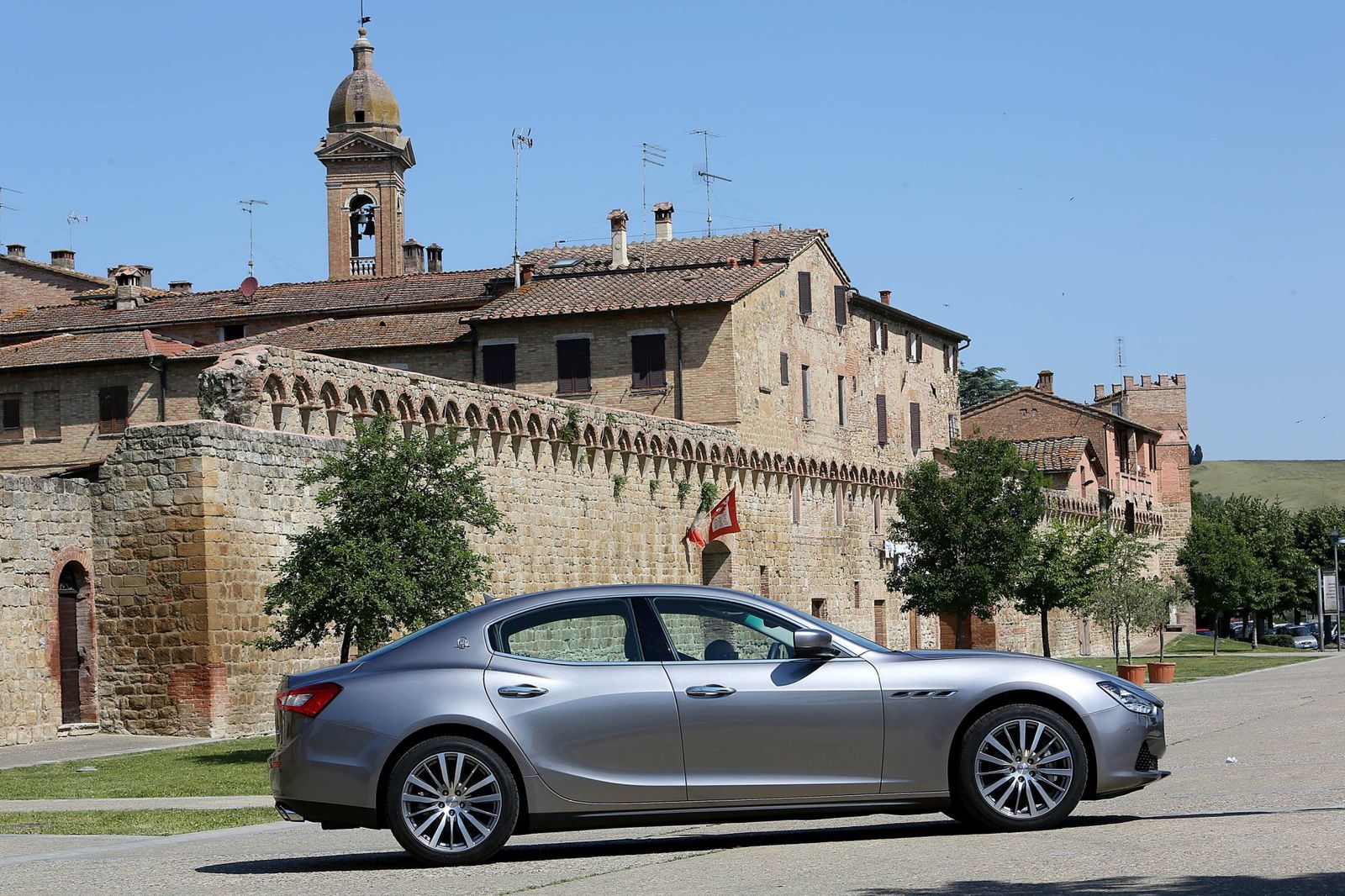
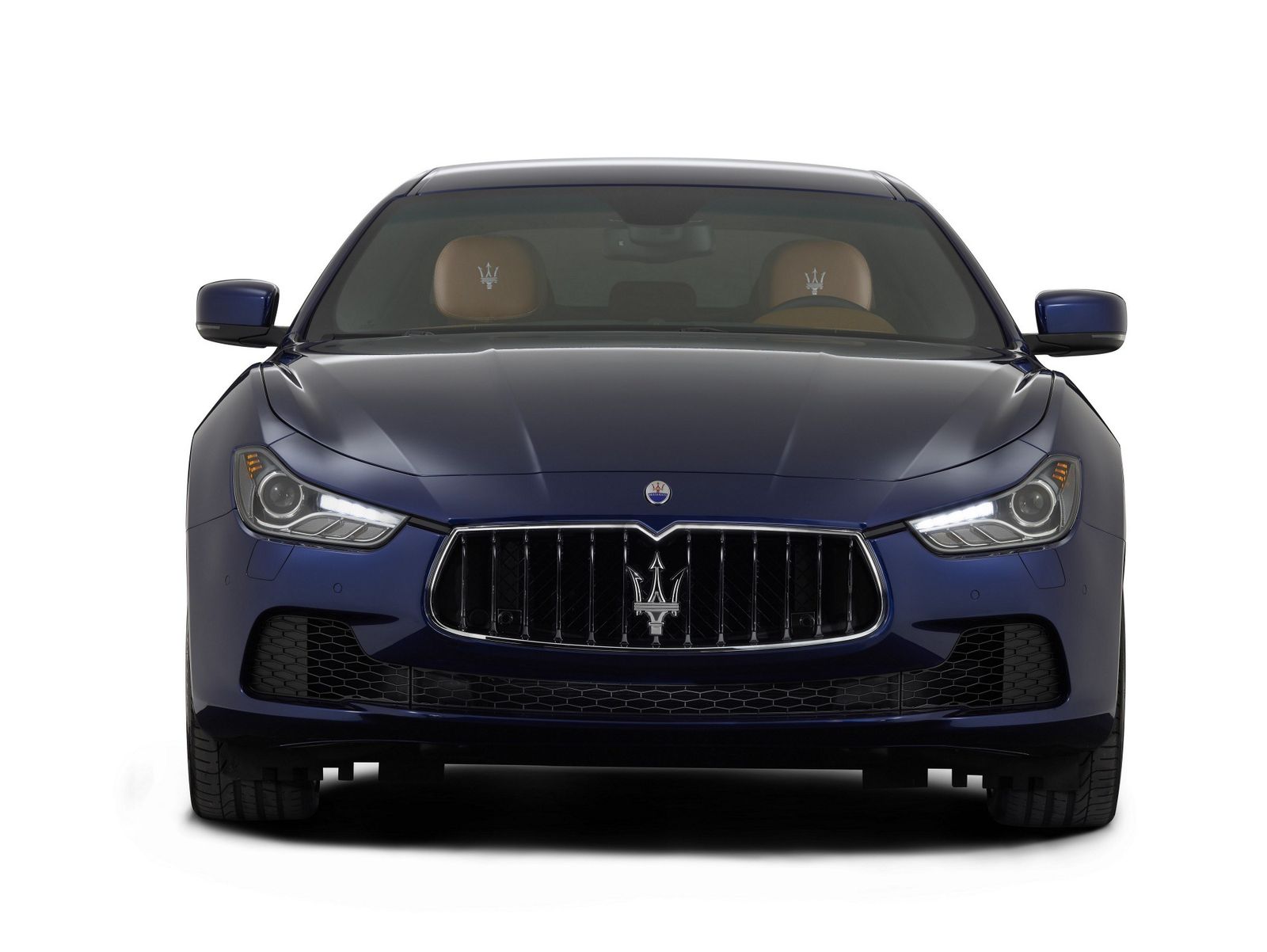
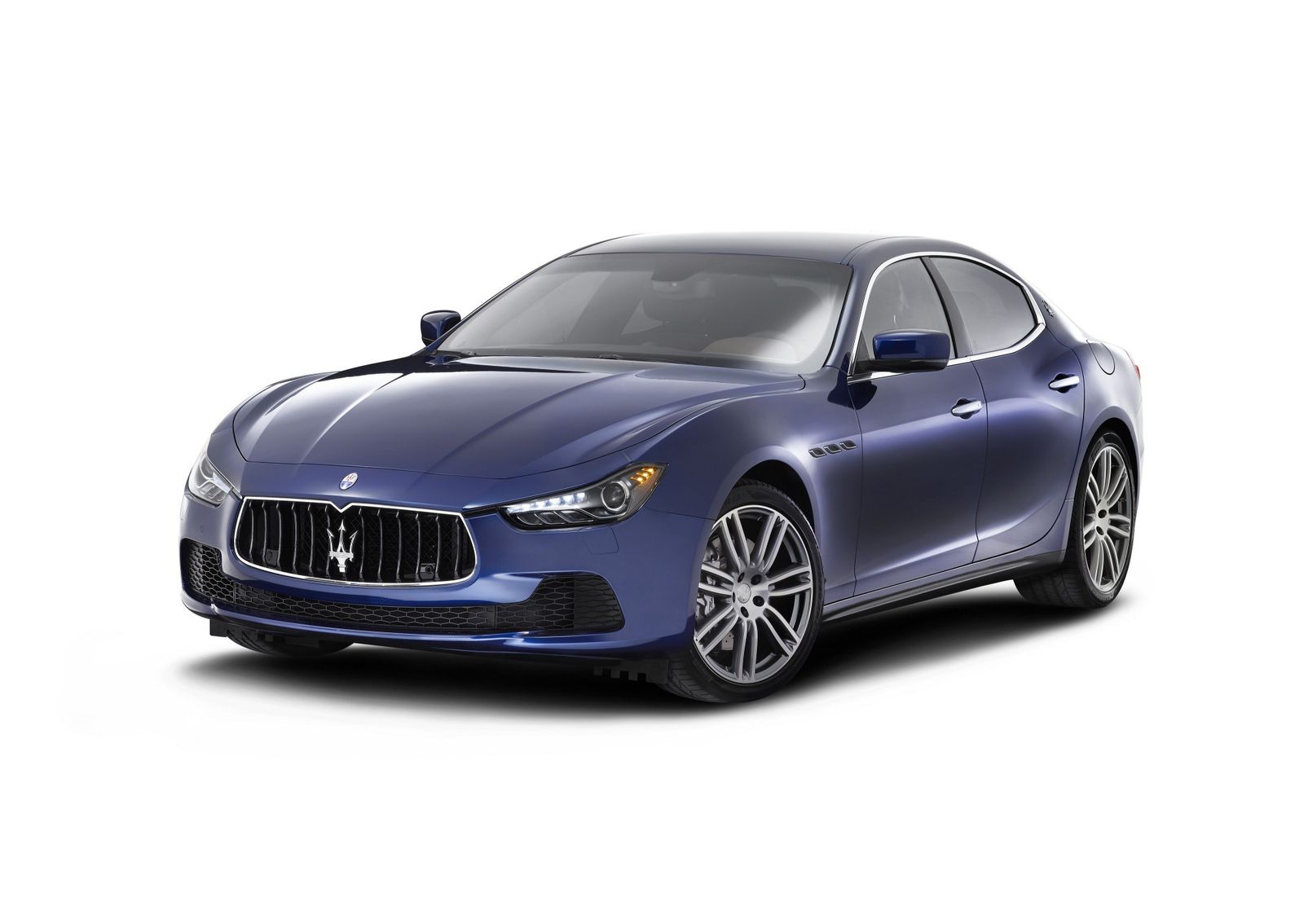

The Ghibli name made a return to Maserati’s lineup in 2013 as the brand’s smallest and most affordable model. It’s not a small or cheap car, though, as we’re talking about a rival for the Mercedes-Benz E-Class, BMW 5-Series, Audi A6, Jaguar XF and the like. The luxury sedan combines sensual Italian lines with two V6 biturbo gasoline engines and a V6 turbo diesel (only in Europe), but doesn’t quite live up to the high expectations customers typically have from executive sedans. One thing is certain, though: you will get noticed in the Ghibli, as it’s much rarer than any of its competitors.
PROS & CONS
Pros
Strong Points
- Beautiful Design
- Fun To Drive
- The Exhilarating Growl Of The Ferrari-Tuned Gasoline Engines
Recommended Versions
- Ghibli S Q4
- Ghibli Diesel (In Europe)
- Ghibli Diesel (In Europe)
Cons
Weak Points
- Noisy Diesel Engine At Low Speeds
- Average Fuel Economy (Gasoline Models)
- Interior Quality Below Competition
- Harsh Ride
- Vague Steering Feel
Stay Away From
- Ghibli (Base Version)
- Early Models
Attention
Known Problems & Recalls
- Check If The Fuel Delivery Line Has Been Replaced On 2014-2015 Models As Part Of The October 17, 2014 Recall
- Some Owners Complain Of Subwoofer And Steering Column Rattles
CAR DETAILS
Drive
Powertrain
The Ghibli is available with three 3.0-liter V6 engines: a 345 hp (326 hp in Europe) gasoline unit in the base model, a more powerful 404 hp version in the Ghibli S and Ghibli S Q4, as well as a 271 hp turbo diesel – not offered in North America. All engines are paired as standard with an excellent 8-speed automatic transmission from ZF. Both gasoline engines are tuned by Ferrari and deliver a thrilling sound, but the extra performance delivered by the more powerful engine is worth the $5,450 price premium. The default engine for Europeans is the diesel, which offers the best fuel economy – 5.9 l/100 km (39.9 mpg) on the NEDC test cycle.
Handling
People expect a Maserati sedan to handle like a sports car and ride as comfortably as a luxury limousine. However, that compromise is not easy to reach, and the Ghibli is the perfect example. Built on Fiat-Chrysler’s new E-segment platform, which will be shared with the next-generation Chrysler 300, Dodge Charger and a future Alfa Romeo sedan, the Ghibli is fun to drive, but doesn’t quite get along with bumpy roads. So you’d better avoid it if you live in a country where roads are not properly maintained. Also, many reviewers have complained that the steering feels vague.
Safety
The Maserati Ghibli can be described as a safe car, having received top ratings from both the IIHS and Euro NCAP. IIHS has given it “Good” scores for moderate overlap front impact, side impact, roof strength, as well as head restraints and seats. However, the Italian executive sedan missed the “Top Safety Pick” title because it doesn’t offer front crash prevention systems. As for the Euro NCAP test, the Ghibli has received a maximum of five stars and the “Best in Class” label. Depending on the market, standard safety features include up to eight airbags, ABS, Electronic Stability Control and speed assistance.
Interior
Comfort
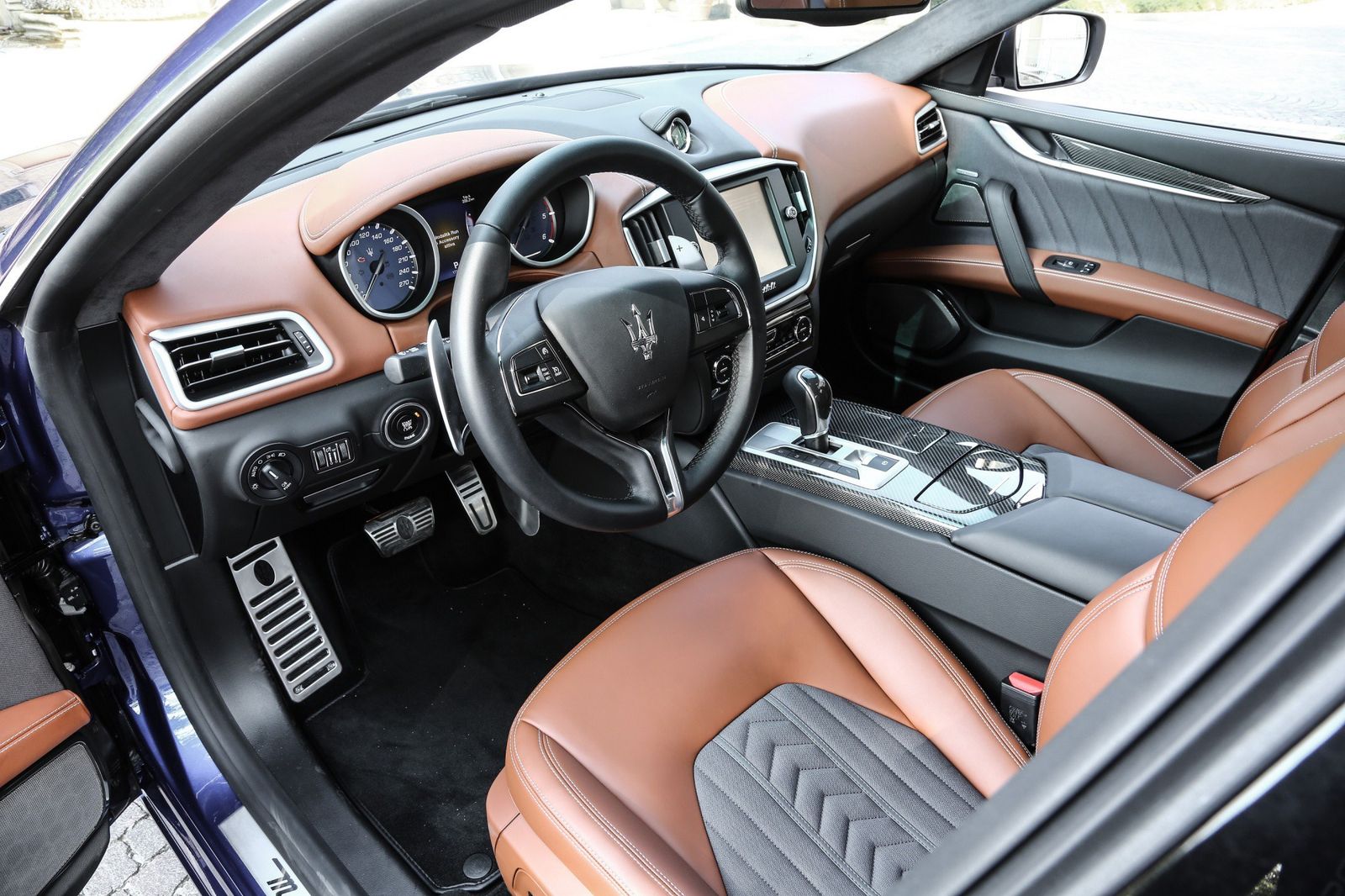
As we’ve said earlier, the Ghibli’s suspension is not comfortable, even in Normal mode – predictably, the Sport mode makes the ride even harsher. The seats are comfortable and offer good lateral support, the dials and instruments are clear, but the driving position is not ideal because the pedals are slightly offset. The 8.5-inch touchscreen of the infotainment system is slow to respond and its graphics look old-fashioned. Standard equipment such as the leather upholstery, dual-zone climate control and active cruise control make life more comfortable on board.
Quality
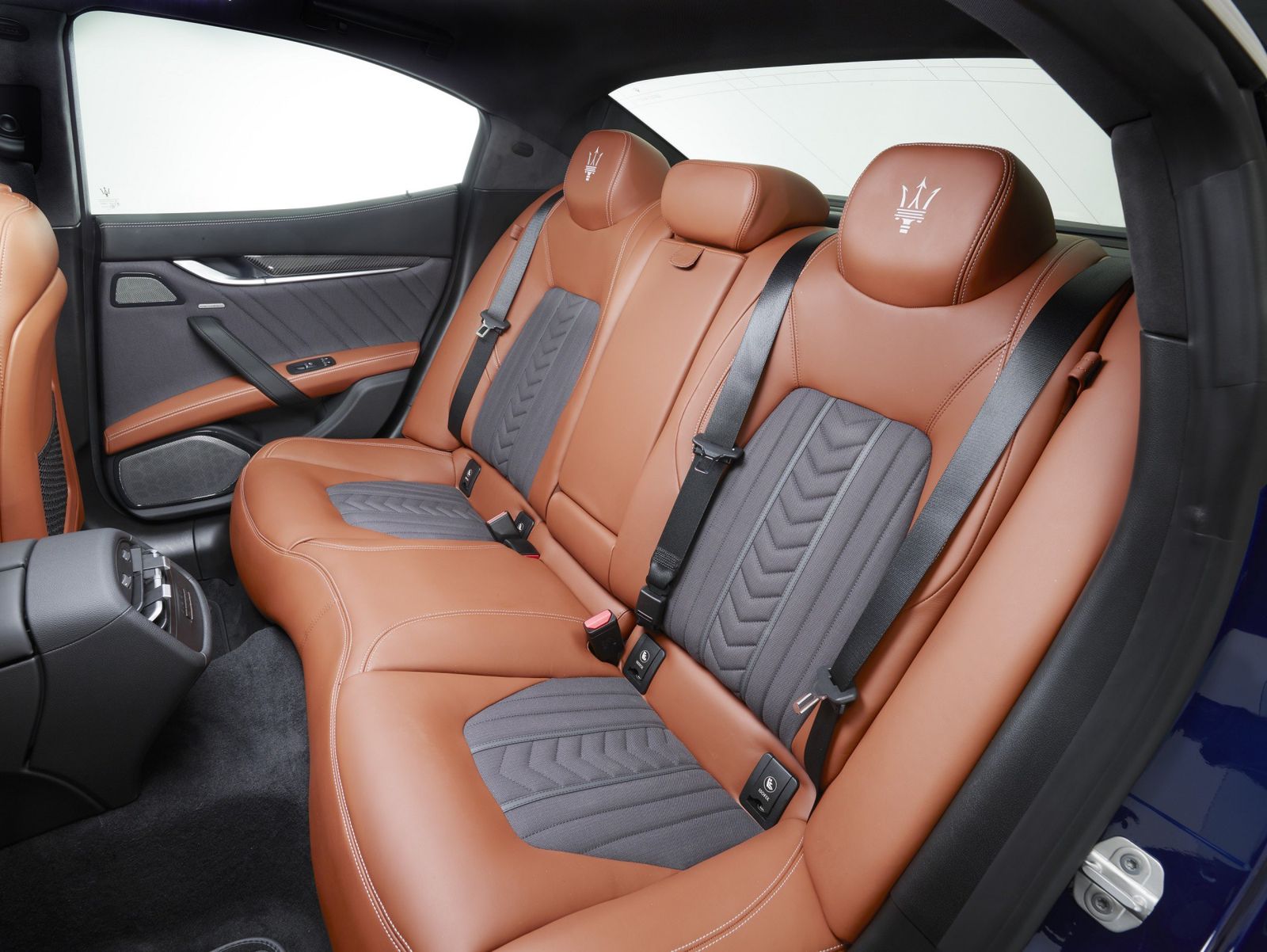
The Maserati Ghibli gives the impression that it’s solidly built, but not quite up to the standards of its German competitors. The interior has a classy look, especially with the optional two-tone leather dashboard, leather door armrests, suede-like headliner, as well wood or carbon fiber ornaments. However, some of the knobs and buttons do not belong in a luxury car of this caliber. The overall impression is that Maserati is on the right path, but still has a long way to go before building high-quality interiors on par with its German rivals.
Practicality
Passengers in the front benefit from decent headroom and legroom, but those in the rear could use more space for their legs and heads. While the Ghibli offers more headroom than luxury four-door coupes like the 6-Series Gran Coupe or Mercedes-Benz CLS, it lags behind traditional sedans like the Audi A6, Mercedes-Benz E-Class or BMW 5-Series in this respect. The trunk offers a decent volume of 500 liters (17.7 cu-ft), slightly less than the aforementioned German competitors. However, the opening of the boot is quite shallow.
Infotainment
The graphics of the 8.4-inch touchscreen display look outdated compared to what the competition is using nowadays. It’s easy to see why, since it’s related to the infotainment interfaces in the Dodge Charger and Jeep Grand Cherokee. Still, the interface is straightforward and easier to use than the more sophisticated infotainment systems fitted to German rivals, despite the fact that its response is slower. Overall, the touchscreen display is an improvement over previous screens used by Maserati.
Budget
Efficiency
The Maserati Ghibli is not a car for eco-conscious customers, but if you insist on having a Ghibli with a decent fuel economy your only choice is obviously the diesel engine. The Ghibli Diesel is not sold in the United States, so you’ll have to live in Europe to get one. Both gasoline V6 biturbo engines return a combined 19 mpg (12.4 l/100 km) – even the all-wheel drive Ghibli S Q4 is listed with the same figure. Since this is a number released by the manufacturer, expect significantly higher fuel consumption in real life – after all, who could resist revving the biturbo V6 all the way up to its 5,000 rpm redline?
Equipment
Even the base Ghibli model benefits from a generous standard equipment, which includes 18-inch alloy wheels, bi-xenon headlights with integrated LED DRLs, LED taillights, sun roof, leather upholstery, 8-way power front seats, cruise control, dual-zone automatic climate control, rearview camera, an 8-speaker sound system with USB and much more. Strangely for a brand that prides itself for its sporting tradition, the paddle shifters are optional. Other optional extras worth considering are the front and rear parking sensors, the adaptive suspension and the premium 15-speaker Bowers & Wilkins sound system.
Acquisition
The entry-level Maserati Ghibli starts at $70,600 in the United States, while the more potent Ghibli S is priced from $76,050. If you want an all-wheel drive model, the only option is the Ghibli S Q4, which costs $78,550. In Europe, the Ghibli Diesel is the most affordable model – it’s priced from €65,380 in Germany. The Ghibli is significantly more expensive than the 300 hp BMW 535i ($55,850) or the 329 hp Mercedes-Benz E 400 ($63,100), which may indicate that Maserati sees it more a rival for the 315 hp 640i ($79,500) or the 329 hp CLS 400 ($66,900). Compared with any of these rivals, the Ghibli is more exclusive and if you’re willing to overlook its shortcomings it’s probably the right choice for you.