


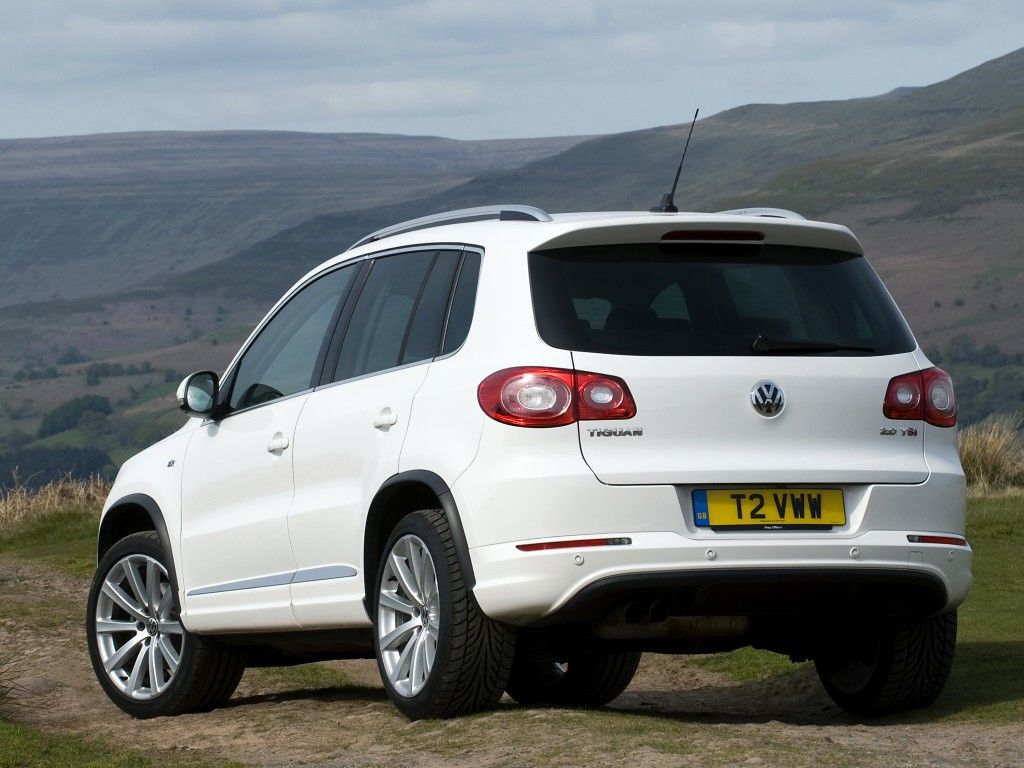
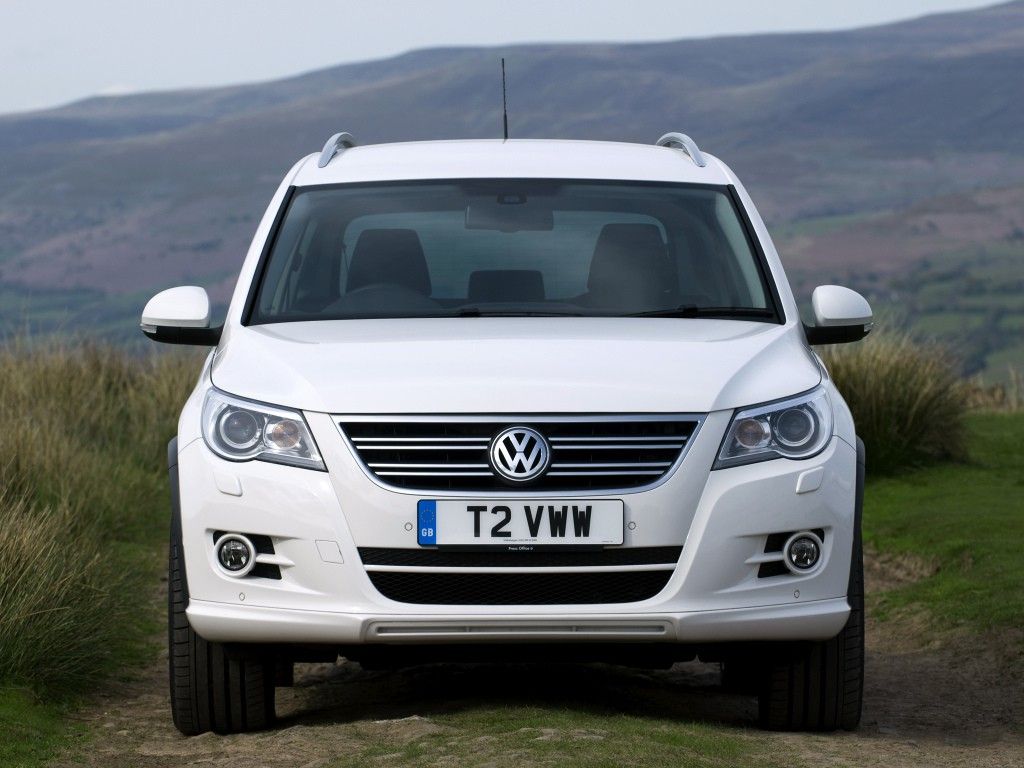
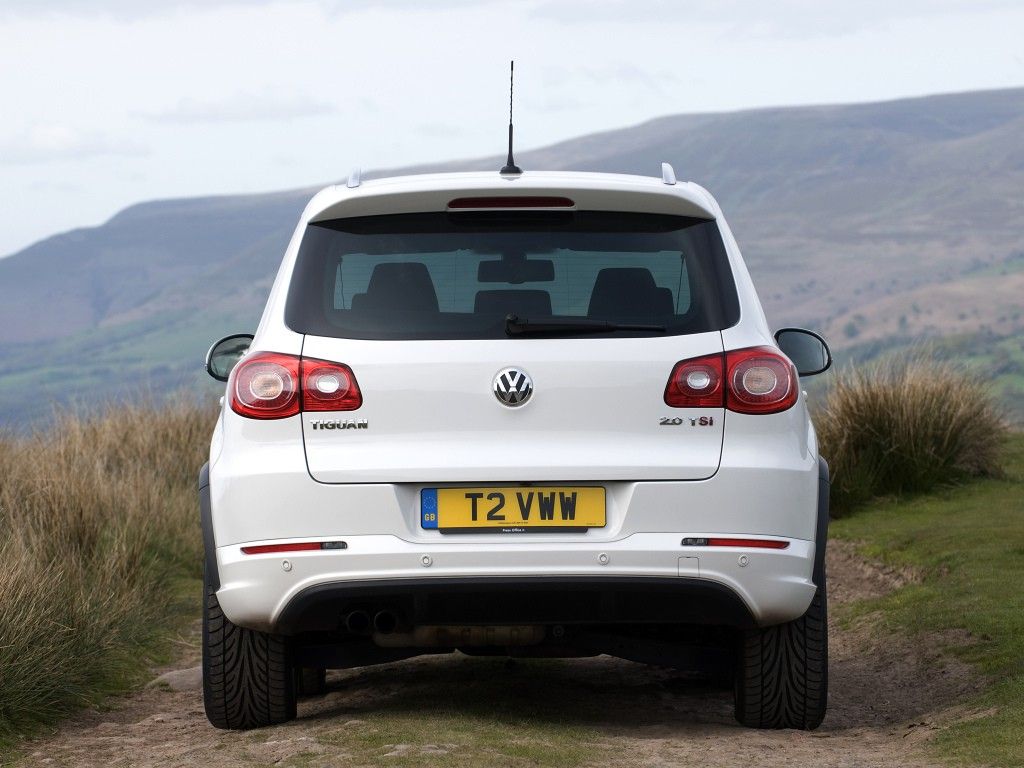


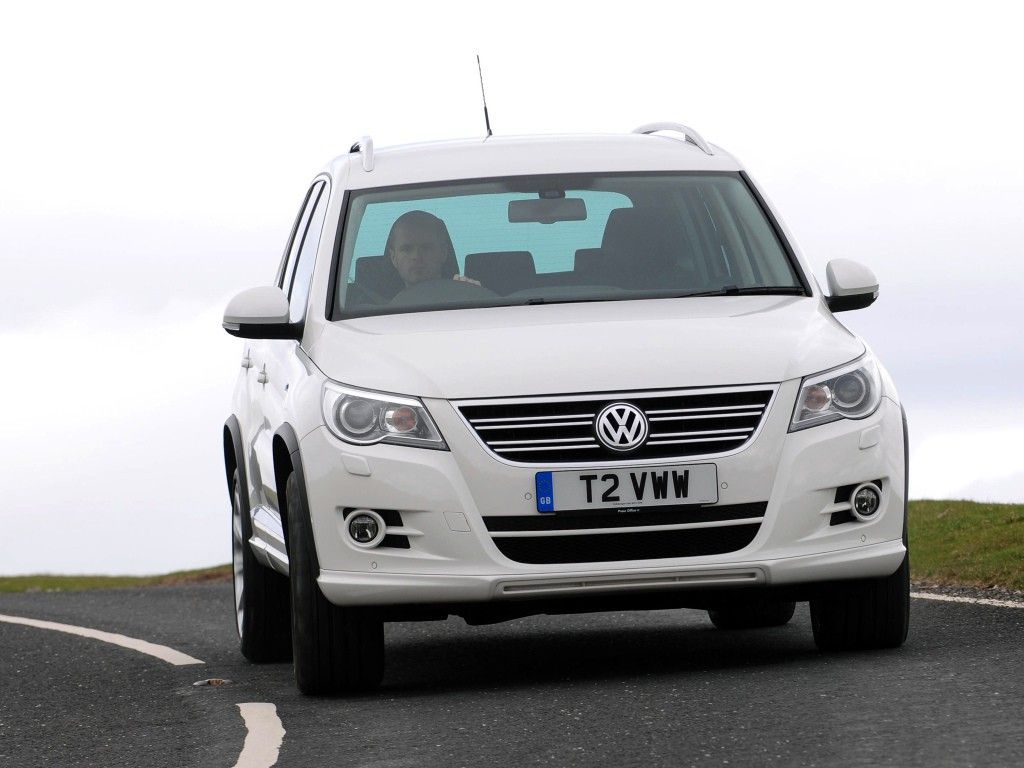
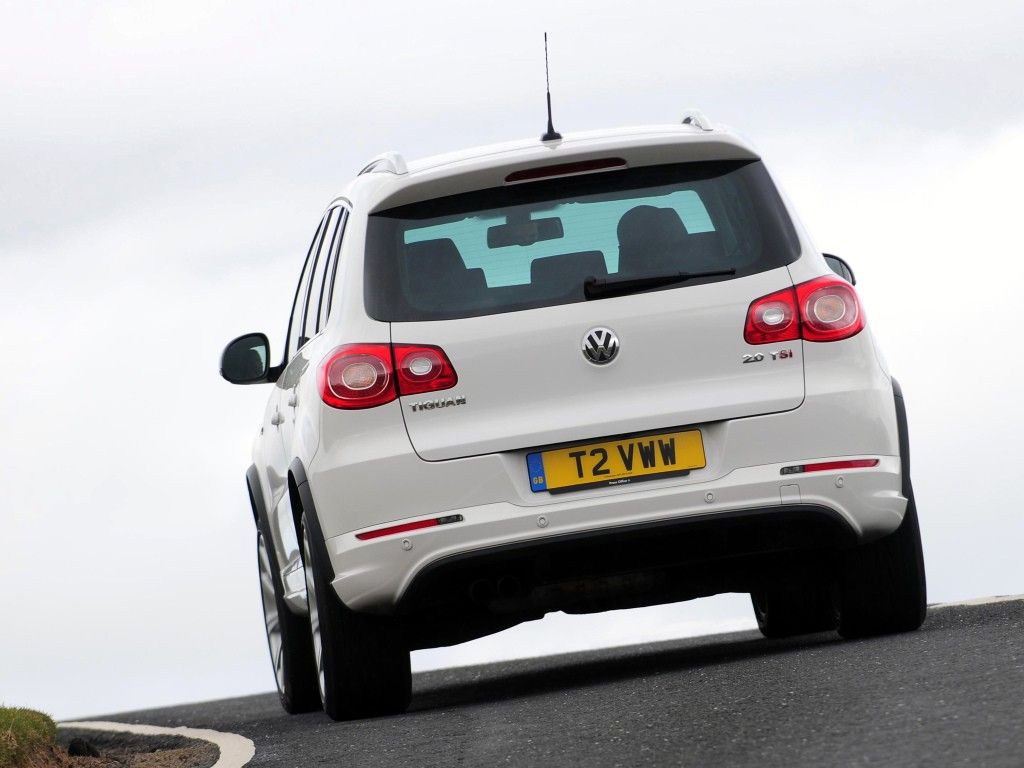
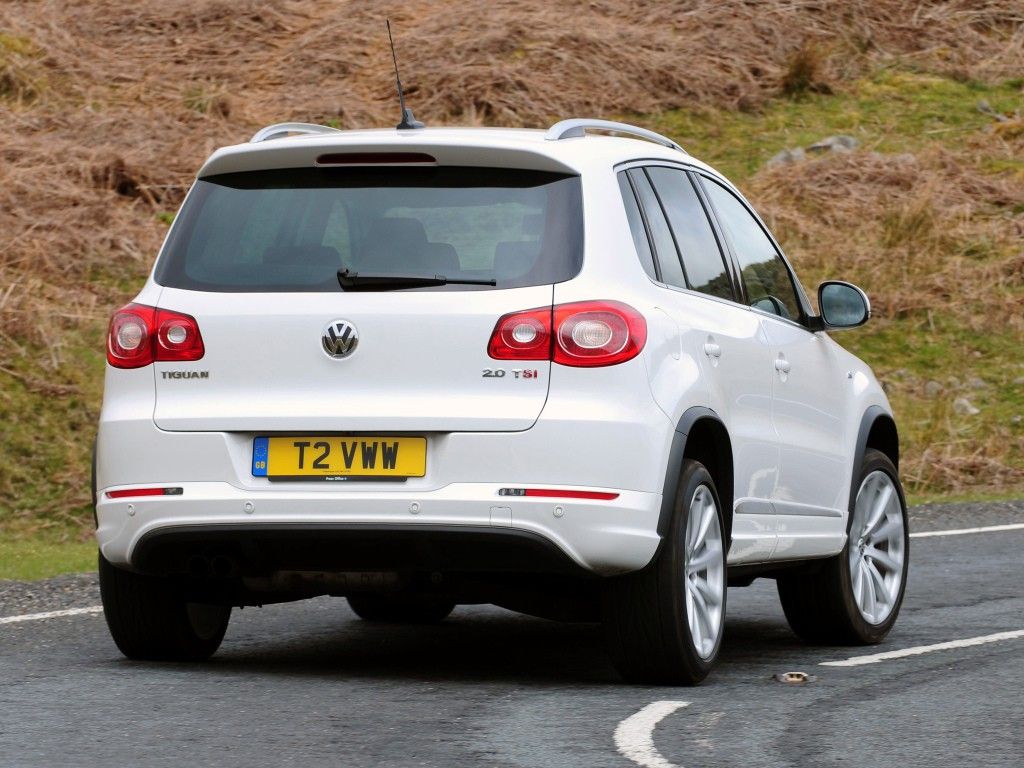


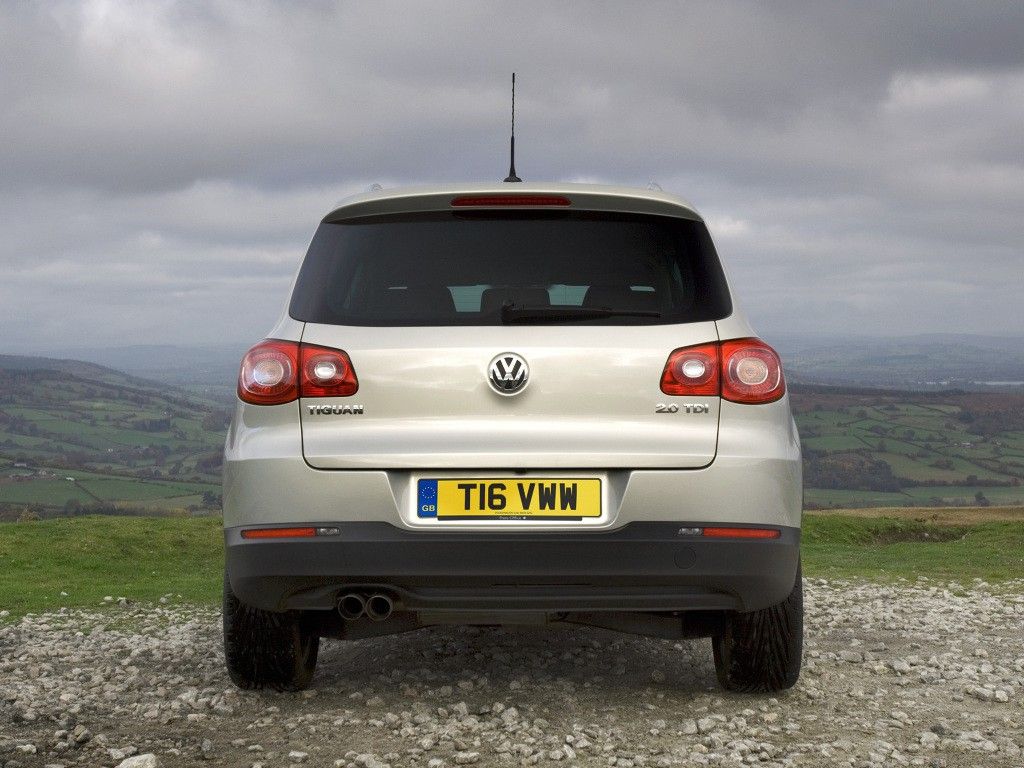

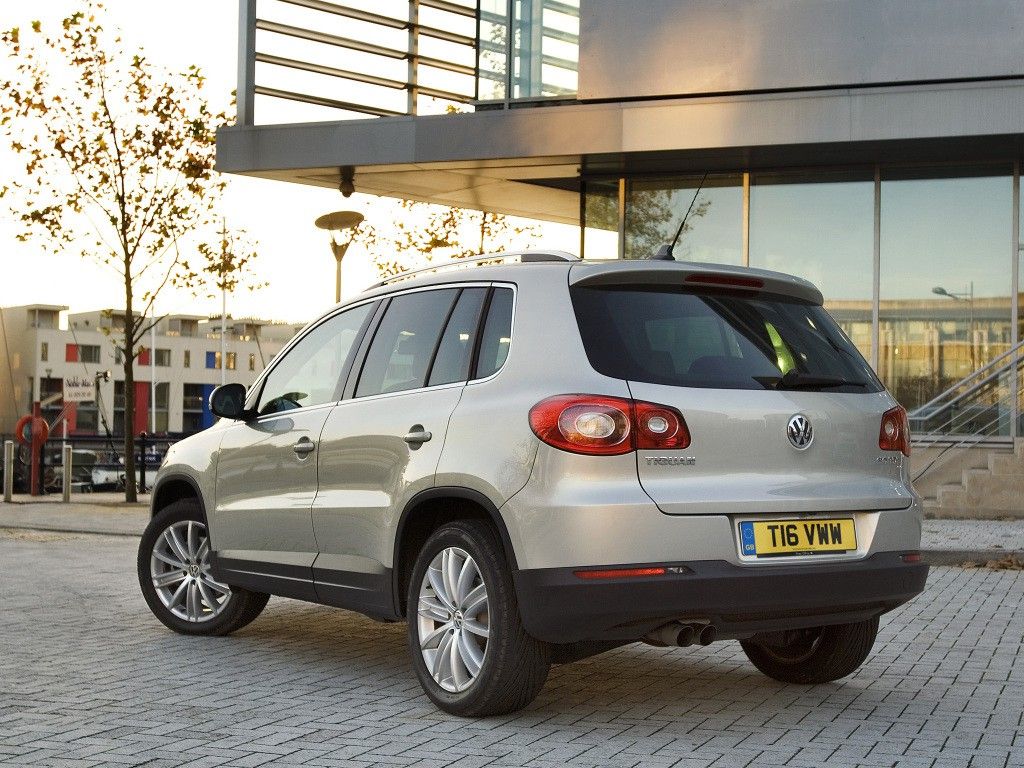


Volkswagen first introduced the Tiguan as a concept in 2006, while the production version showed up at the 2007 Frankfurt Motor Show. The Tiguan sits on the same PQ35 architecture as the VW Golf, but between 2007 and 2008, VW's subsidiary Auto 5000 was in charge with the small SUV's assembly. 700,000 Tiguan models found their owner from 2007 up until this point. The model is available both in the US (S, SE and SEL trim levels) and Europe (S, Match, Sport and Escape).
PROS & CONS
Pros
Strong Points
- Comfortable Cabin
- Spacious
- Efficient Engine Lineup
- Robust
- Good Looking
Recommended Versions
- 2.0 Tdi 140 Bluemotion
- Diesels In General
- Diesels In General
Cons
Weak Points
- Expensive To Buy
- Rigid Suspension
- No Off-Road Capabilities
Stay Away From
- 2.0 Tsi 200 R Line 4Motion
- 1.4 Tsi
Attention
Known Problems & Recalls
- – Some Owners Reported Automatic Parking Brake Failure
- – In Some Cases, The Door Handles Can Get Stuck In The Open Position
- – Engine Failures Are Rare, But Still An Issue
- – A Recall Was Operated In 2013 To Replace Fuses For The Lighting System; It Affected Cars
CAR DETAILS
Drive
Powertrain
Although the Tiguan is Volkswagen's first-ever crossover, the model had the Touareg to look up to. However, it offers a much broader range of engine that it's full-size peer.
In the petrol department, the Tiguan offers an entry-level 1.4-liter TSI unit good for 148 HP and a 2.0-liter TSI engine with 168 HP and a more powerful version of the same mill, rated at 197 HP – which some may recognize as the same one found under the 2005 Golf GTI's hood.
Furthermore, this is VW we're discussing here, which means the diesel range is a strong one. First in line, the familiar 2.0-liter TDI: the unit is available in two power outputs – 138 or 168 HP, both with enough grunt to satisfy even the most demanding customers. Then there's the 2.0 TDI BlueMotion variant, the undefeated champion when it comes to fuel efficiency.
Transmission-wise, you can get the Tiguan with a six-speed manual or the optional Tiptronic automatic. Take note, though, the auto gearbox is only present on the 138-horsepower diesel and the 2.0-liter TSI unit.
Handling
VW developed a crossover that's equally capable of facing city streets, A-roads and highways. The ride feels composed but quite firm, which means body roll is almost non-existent. However, the crossover's overall behaviour on the motorway can be categorized as comfortable, while, around the city, the Tiguan will put on an agile and easy to drive character.
It lacks the necessary know-how to be considered a capable off-roader – for example, the Ford Kuga is better in this department – but the four-wheel drive 4MOTION system does a good job on wet or muddy roads. Also, the stiff suspension setup will make you feel every bump in the asphalt at low speeds, which some might find inconvenient.
Safety
Euro NCAP put the Volkswagen Tiguan through their crash test sessions and awarded the crossover with five stars out of five for its safety credentials, a good score for a crossover. Adult occupant protection sits at 87%; furthermore, child occupant protection goes up to 79% and the safety assist package offered by the Tiguan earned a 71% rating.
Front and curtain airbags are available as standard on the Tiguan, but you can also opt for rear side airbags. Other than that, ESP and ABS come as standard features.
Interior
Comfort
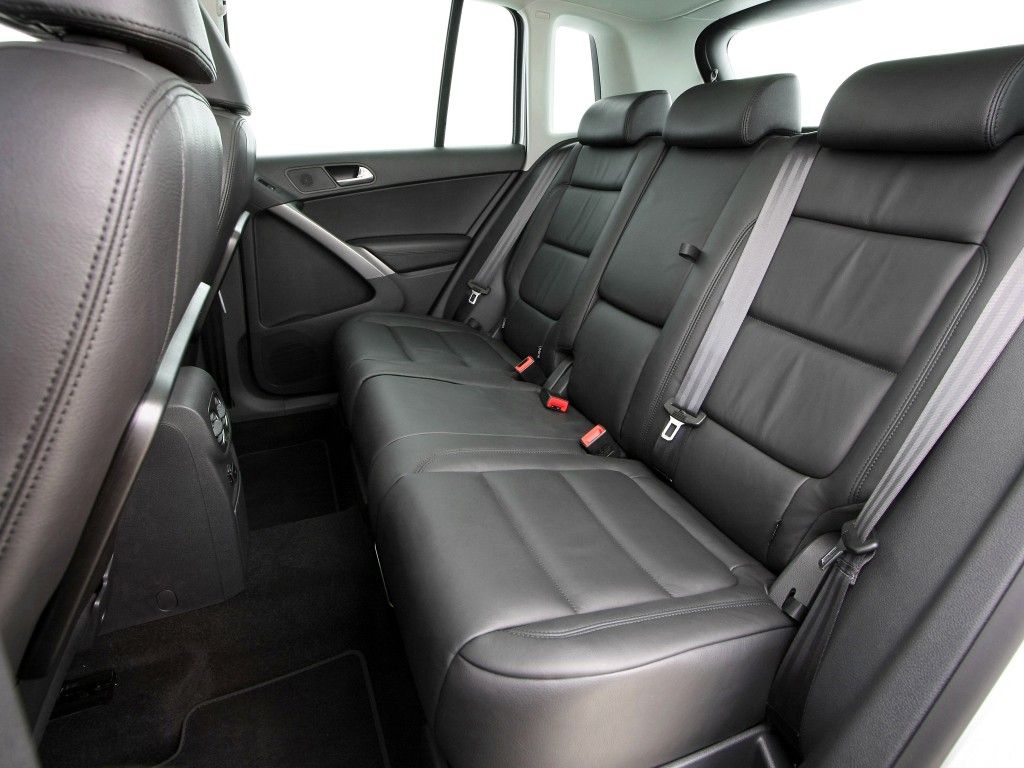
The driving position is a bit lower than you'd normally expect, but this aspect doesn't hamper visibility. At highway speeds, only a small amount of tire and wind noise break into the cabin. Three can sit in average comfort conditions at the back while legroom is not very generous.
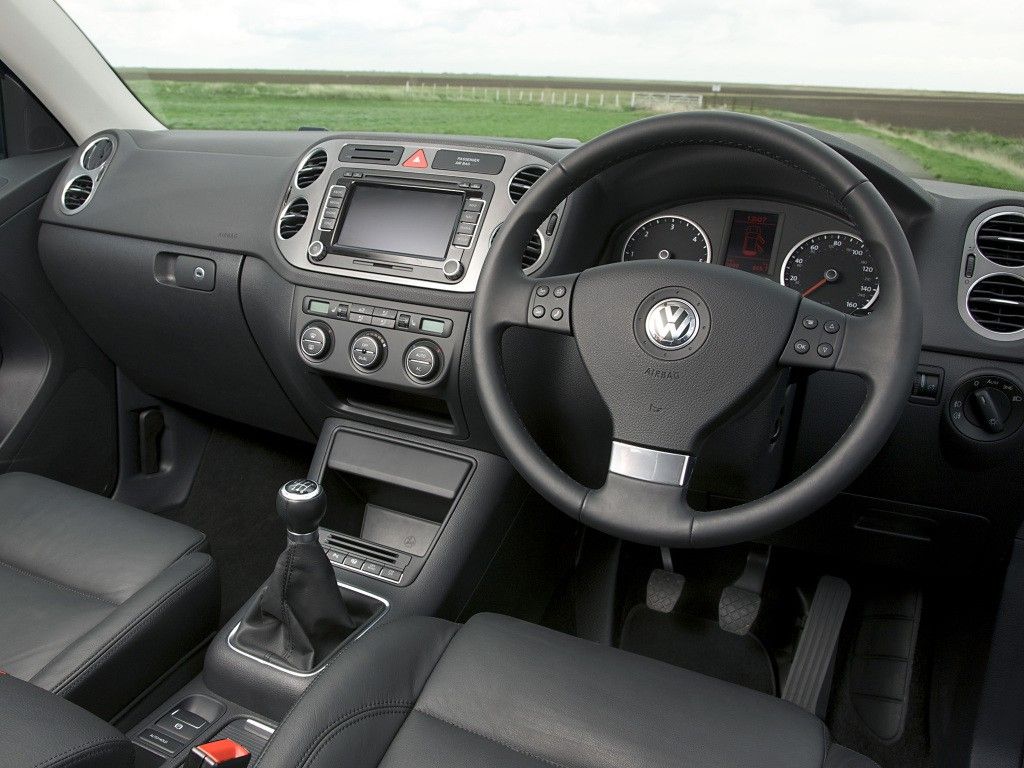
Other than that, you get Volkswagen's signature dashboard setup, a simple and ergonomics-focused arrangement as far as buttons and controls are concerned. The front seats are just as comfortable as the ones you'd get in a Golf, so overall, things are looking good, especially since the driver's seat is multi-adjustable and the steering wheel position can be adapted both in height and depth.
Quality
VW's almost-premium atmosphere is available inside the Tiguan courtesy of upmarket materials, notably present on the dashboard and center console. The overall quality is reflected in the model's reliability: the Tiguan borrows various parts from its peers, namely the Golf, Passat, and Touareg, so this partially explains why the small SUV is a well-built vehicle and its rather hefty buying price.
Practicality
Boot space stands at 430 liters – above the likes of BMW X1 and Ford Kuga but below the Honda CR-V. The sliding back seats fold down completely and form an almost-flat surface ideal for loading larger items. The Tiguan can also be used to tow stuff from A to B. As a matter of fact VW implemented a drop-down towbar placed underneath the car, which only deploys when needed.
Infotainment
Believe it or not, Tiguan was the first VW model to receive a touchscreen sat nav system. Of course, you'll only be able to select it on higher trim level models, but it offers 3D or 2D maps and a glitch-free experience. Furthermore, you get a hard-drive for storing MP3 music files, but the infotainment system can receive SD cards and MP3 CDs as well.
Budget
Efficiency
Although the offer is pretty abundant regarding engine choices for the Tiguan, petrol units are not as frugal as diesel. However, the 1.4-liter TSI version returns 35 mpg in the four-wheel drive model and 42 mpg in the front-wheel drive car. Furthermore, the 2.0-liter TSI unit only grants a combined fuel consumption value of 32 mpg, which means it's the diesel engines you should focus on if fuel efficiency is your priority.
The master of fuel efficiency is without any doubt the BlueMotion variant, which returns 53 mpg, a substantial improvement compared to what the standard 2.0-liter TDI had to offer as far as frugality is concerned, namely 40-44 mpg.
Equipment
The VW Tiguan offers plenty of choices for buyers, thanks to various trim levels, namely S, SE, Sport, R Line and Escape.
Let's start with the beginning and see what the base-spec Volkswagen Tiguan has to offer. The S trim comes with 16-inch alloy wheels, heated power mirrors, air conditioning, DAB radio, ESP and six airbags.
Go one step higher to the SE equipment level and you'll find 17-inch alloy wheels, climate control, Bluetooth connectivity, auto headlights, parking sensors, and rain-sensing wipers. Then there's the Sport trim level, which adds 18-inch alloys rims, sport seats up front and partial Alcantara upholstery.
R Line ups the ante with a satellite navigation system offered as standard, a tuned suspension system plus a sporty body kit and bi-xenon headlamps. Since the Tiguan Escape is more focused on the off-road sector, the crossover receives additional protection underneath and bulkier front and rear bumpers.
Acquisition
The Tiguan is not a cheap-to-buy car since it wears the VW badge. However, it will depreciate slower than other models, so you'll actually invest your money. Other than that, the crossover's good build quality helps a lot but expect expensive servicing bills.